
Your first silver purchase has three decisions: what form to buy, where to buy from, and where to store it when it arrives. Start with a 1 oz silver round from a reputable online dealer, pay by check or ACH to skip the 3% credit card fee, and have your storage plan in place before you order. Everything else is detail.
The premium you pay above spot price matters as much as the metal price itself. A single 1 oz American Silver Eagle at a 22% premium costs you an extra $7 per ounce at a $32 spot price. Understanding how silver premiums work is the difference between getting real value and overpaying by 25%.
What Form of Silver to Buy First
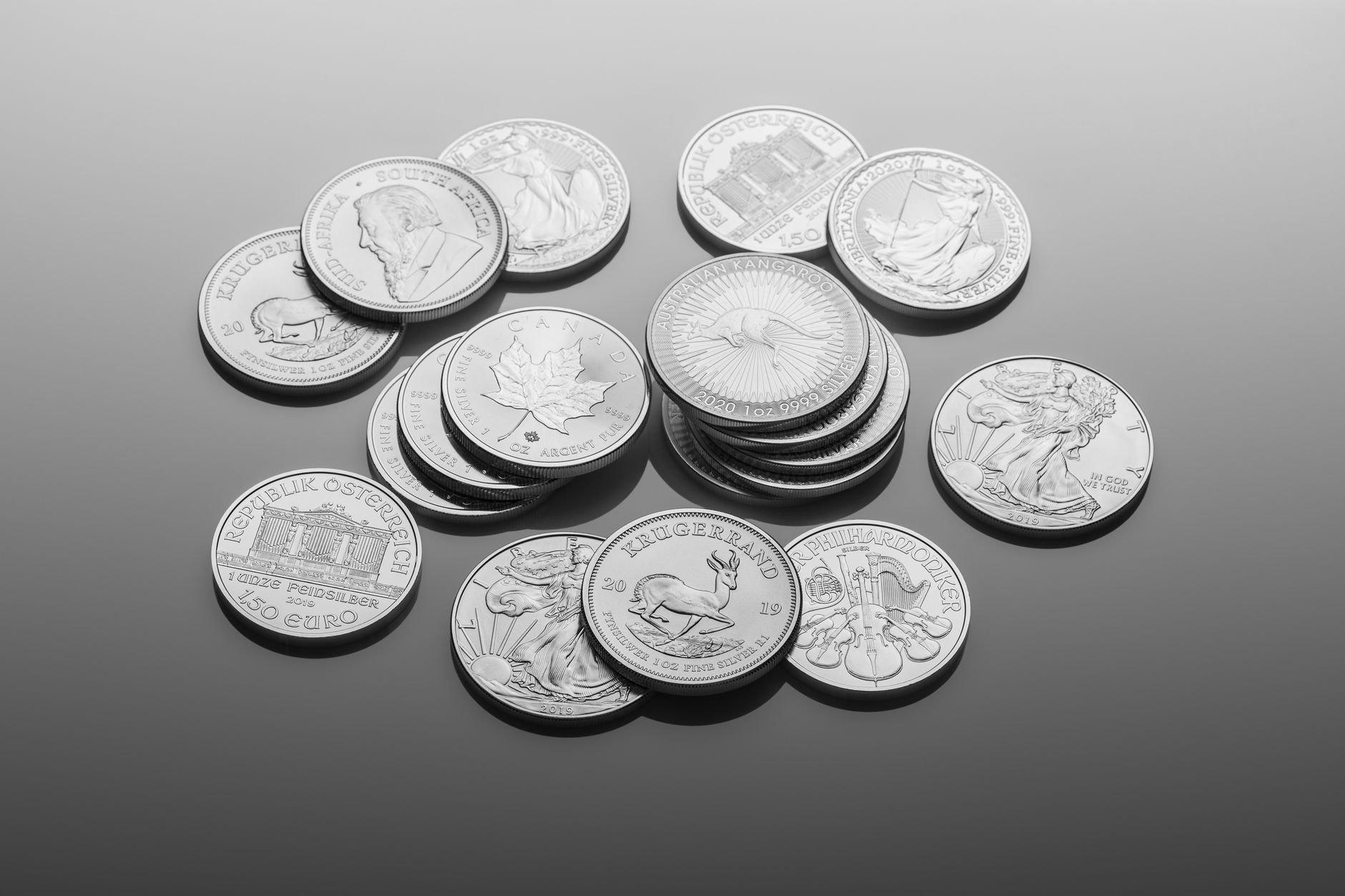
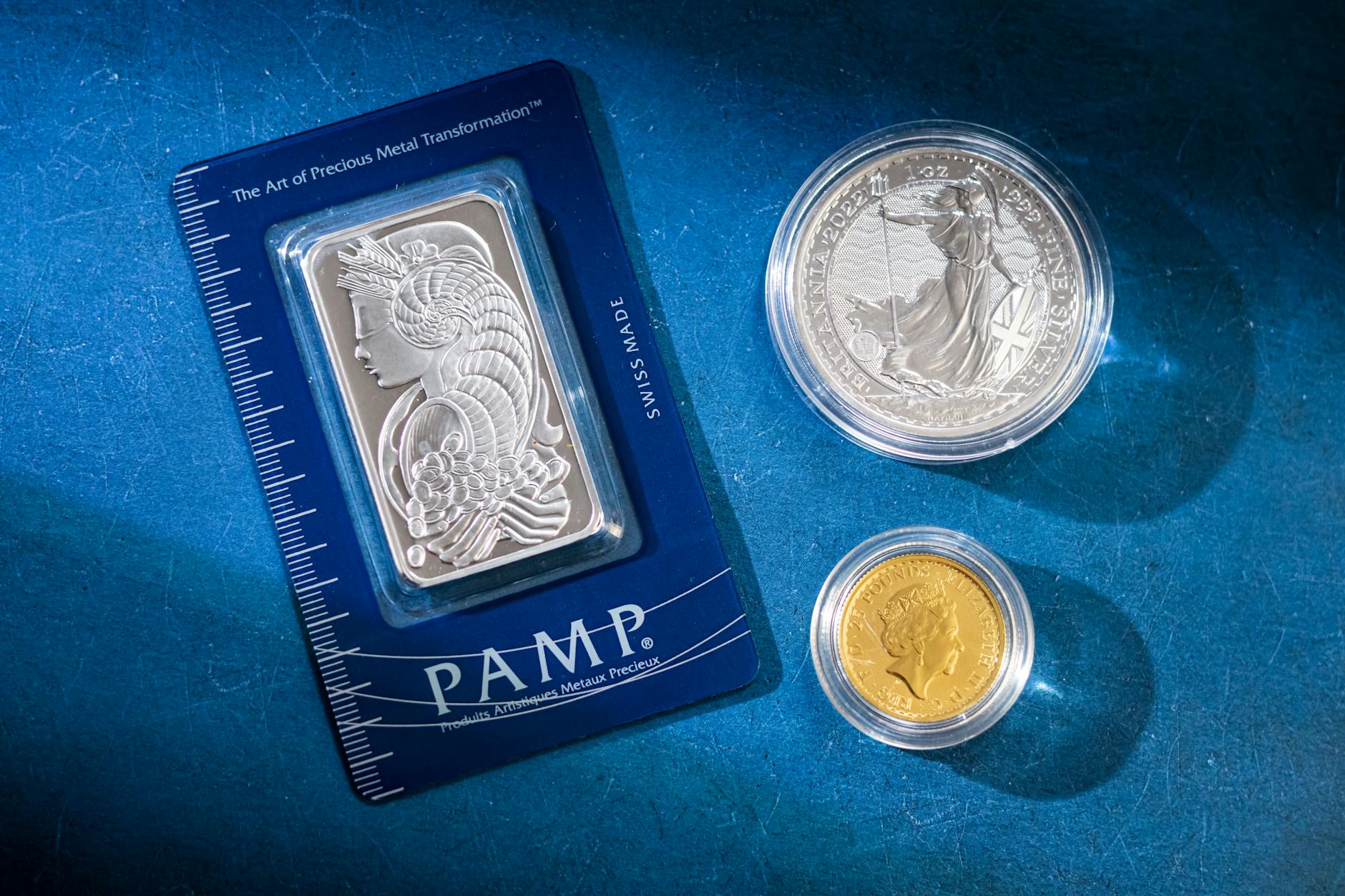
Silver comes in three main forms: coins, rounds, and bars. Each has a different premium structure and a different use case. A full comparison of coins, rounds, and bars covers the full breakdown, but here's what matters for a first purchase.
A 1 oz silver round is the best starting point. Rounds are generic silver discs minted by private refineries like Sunshine Minting or SilverTowne. They contain .999 fine silver and trade close to spot on the secondary market. Their premiums are lower than government coins because they carry no mint recognition premium.
Junk silver, meaning pre-1965 US dimes, quarters, and half dollars, is another good entry point. These coins are 90% silver (.900 fine). A $1 face value contains 0.715 troy oz of silver. Premiums typically run 3-8% over spot, and they're divisible into small amounts for flexible selling later.
Where to Buy Your First Ounce of Silver
The three largest online dealers in the USA are APMEX, JM Bullion, and SD Bullion. All three are established businesses with transparent pricing, published buy-back programs, and millions of completed orders. Each listing shows the current spot price and premium separately, so you always know what you're paying above melt value.
Before placing an order with any dealer, verify these:
- Published buy-back program with current prices posted
- SSL checkout (https) with an established payment processor
- Verifiable business address and working phone number
- Established track record, at minimum 5 years in business with verifiable reviews
- Membership in ICTA (Industry Council for Tangible Assets) or a similar precious metals trade body
Avoid eBay for your first purchase. Premiums run higher, purity verification is inconsistent, and the buyer protection process for precious metals is complicated. Stick with established dealers until you know what a legitimate product looks and feels like.
How to Calculate Your True Cost
Silver pricing is spot price plus premium plus shipping. If silver spot is $32/oz, a 1 oz round carries a 7% premium, and shipping is $9.99 flat rate, your true per-ounce cost looks like this:
- Spot: $32.00
- Premium (7%): $2.24
- Shipping on a 1 oz order: $9.99
- Total per oz: $44.23
That shipping cost per ounce drops fast when you buy more at once. At 5 oz, the same $9.99 shipping becomes $2.00 per oz. Most dealers offer free shipping above a threshold, typically $99-$199. If you're going to buy multiple ounces anyway, hitting that threshold is worth it.
Payment method changes your price. Credit cards add 3-4% on top of the listed amount at most dealers. Paying by check, ACH, or bank wire avoids this fee entirely. Most dealer sites show two prices per listing: one for credit card, one for check or wire. The check price is the real market price. Use it when you can.
Verifying What You Receive
When your order arrives, check it before putting anything away. Weigh it on a precision scale: 1 troy oz equals exactly 31.1 grams. Measure the diameter with calipers: a standard 1 oz round is 39mm across. Look for the .999 or .9999 purity stamp and the refinery name. Any legitimate product has all three.
Counterfeit silver exists but is largely a risk with private sales, not established dealers. A set of at-home tests for spotting fake silver takes 5 minutes and confirms any suspicious piece. A digital precision scale and basic calipers cost under $20 combined and catch every weight-based fake.
Storage: Set This Up Before You Order
Physical silver needs a secure home before your first shipment arrives. Three options work for most buyers starting out:
- Home safe: Best for small stacks with fast access. Buy a safe with a fire rating, bolt it to the floor or wall, and store silver in airtight capsules. No ongoing cost after the initial purchase.
- Bank safe deposit box: Secure and off-site, but FDIC does not insure the contents. Costs $50-100 per year. No 24/7 access.
- Third-party vault: Insured, professionally secured, and auditable. Costs $10-25 per month. Good for larger stacks where insurance coverage matters.
For a first purchase of 1-10 oz, a home safe is the standard approach. Check your homeowner's or renter's insurance policy before you store anything. Most standard policies cap precious metals theft coverage at $1,500, which is well below what even a modest stack is worth after a year of buying. A scheduled floater or rider closes that gap for under $2 per $100 of value per year.
Read next: Where to Keep Your Silver: Home Safe, Bank Vault, or Third-Party Storage Compared
Frequently Asked Questions
Sources
- APMEX — Live silver pricing and premium data. apmex.com
- JM Bullion — Silver product listings and premium comparison. jmbullion.com
- SD Bullion — Silver pricing and dealer comparison. sdbullion.com
- Silver Institute, World Silver Survey 2024. silverinstitute.org