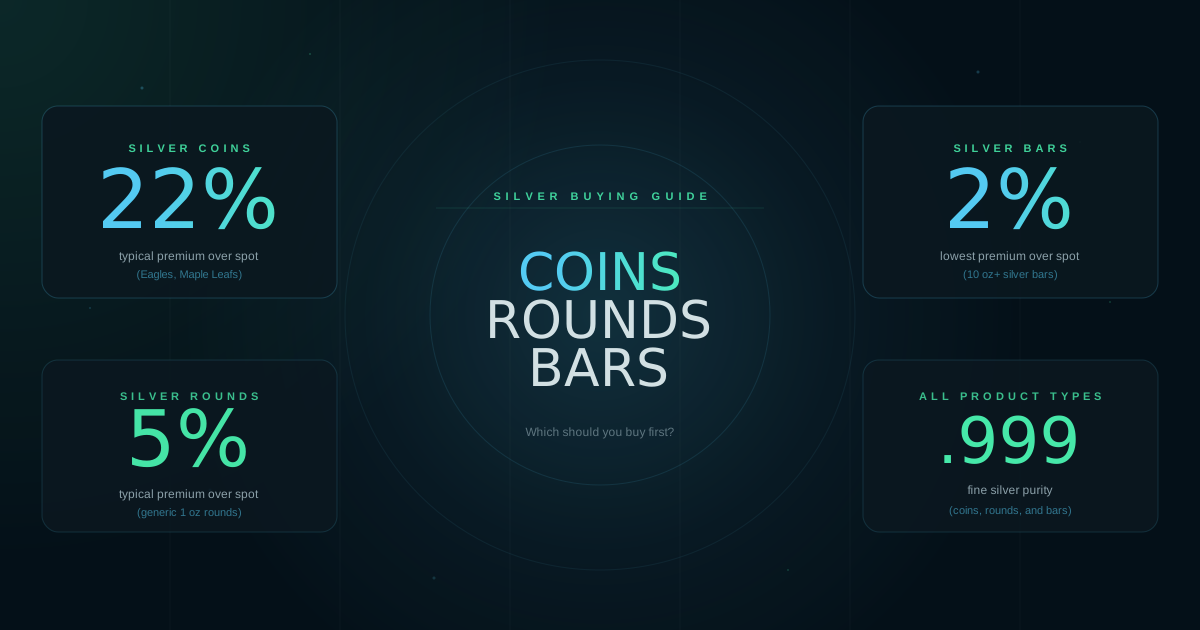
Walk into any coin shop or open any silver dealer's website and you will find three main product types: coins, rounds, and bars. They all contain .999 fine silver. They all track the spot price. But they are different in ways that matter when you are deciding what to buy first.
The differences come down to three things: how much you pay above spot, how easy they are to sell later, and how they stack and store. Here is how each type compares on all three.
Sources: APMEX, JM Bullion, SD Bullion — retail prices, May 2026
Silver Coins
Silver coins are minted by governments. The American Silver Eagle comes from the US Mint. The Canadian Maple Leaf comes from the Royal Canadian Mint. Both are one troy ounce of .999 fine silver and both carry legal tender status, though the face value is far below the silver content.
Government minting is the main thing you are paying for in the premium. The coin has a recognized brand, a guaranteed weight and purity, and decades of established market demand behind it. A Silver Eagle is accepted at virtually every coin shop and dealer in the country without question.
The premium for popular government coins typically runs 18 to 25 percent above spot in normal market conditions. During periods of high demand, such as early 2020 and early 2022, that premium stretched past 40 percent. The premium compresses when demand softens. If you bought at 40 over spot and try to sell six months later when premiums are back to 20, the premium compression itself is a loss on top of any spot price movement.
Silver Rounds
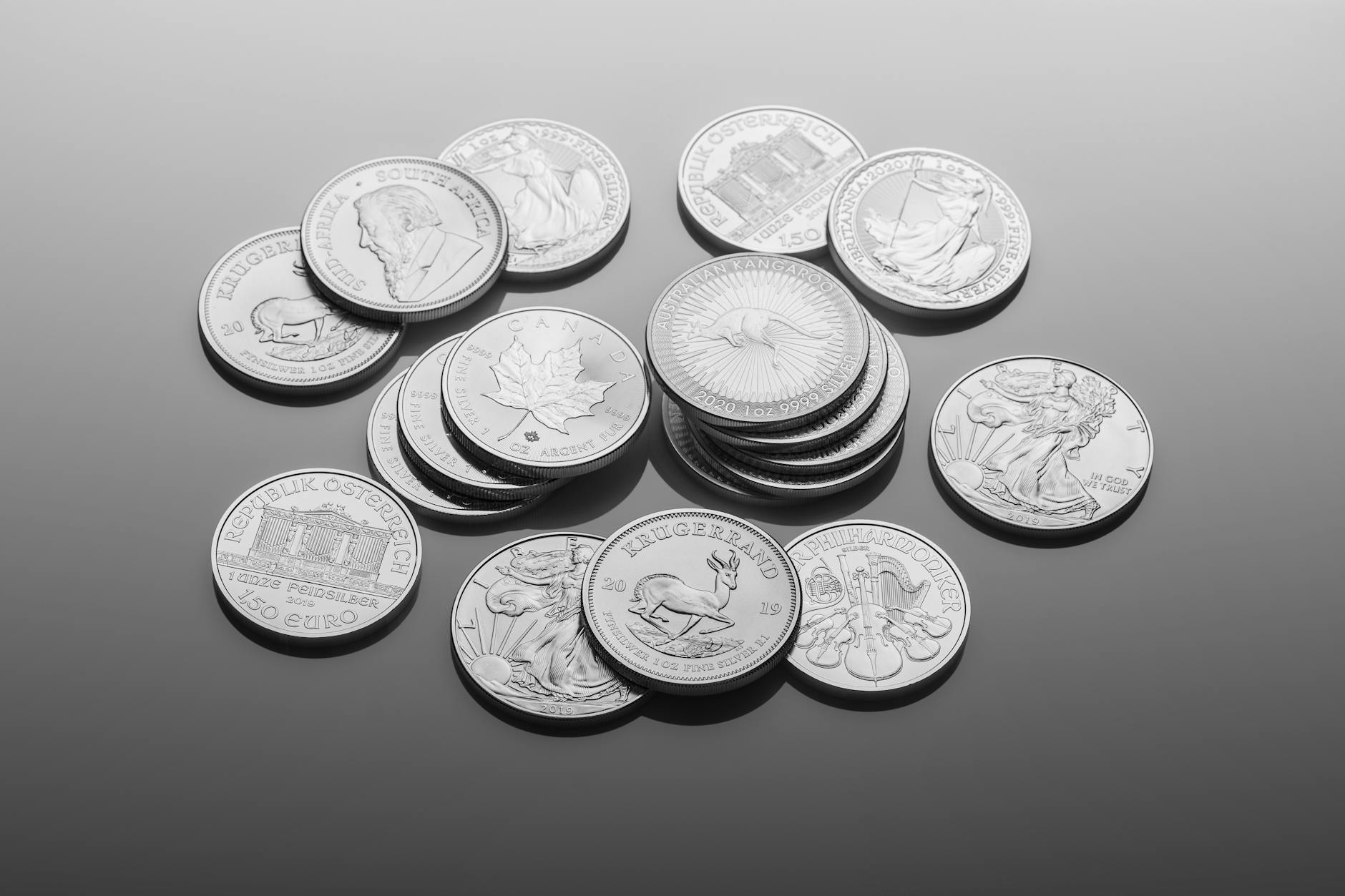
Silver rounds are privately minted. They are the same size as a coin, one troy ounce, and the same purity, .999 fine silver. The only thing missing is the government stamp. There is no legal tender status and no recognized mint behind the name.
What you lose in brand recognition you gain in cost. Generic rounds from established private mints typically carry a 4 to 8 percent premium above spot. At current silver prices around $32 an ounce, that is roughly $1.50 to $2.50 extra per ounce compared to buying coins at 22 percent over spot.
Liquidity is slightly lower than coins. Most dealers will buy rounds back without hesitation, but you may find the occasional local pawn shop or private buyer who is not familiar with private mint products and is less comfortable with them. For online dealers and coin shops, this is rarely a problem.
For buyers whose main goal is accumulating silver weight at the lowest cost, rounds are usually the right answer. You get close to coin-quality silver at close to bar-quality premiums.
Silver Bars
Silver bars carry the lowest premiums of the three types, especially as the bar size grows. A 1 oz bar typically carries a 4 to 6 percent premium, roughly the same as rounds. A 10 oz bar is usually 2 to 3 percent. A 100 oz bar can be 1 to 2 percent.
The tradeoff is divisibility. A 10 oz bar is one piece. If you want to sell half of it, you cannot. You either sell the whole bar or none of it. That is not a problem if you are building a long-term position and plan to sell in large amounts, but it is a real constraint for buyers who may need to liquidate in pieces over time.
Bars also stack well and take up less space per ounce than coins or rounds, which matters if you are storing a meaningful quantity. A 100 oz bar is roughly the size of a thick smartphone and holds more silver than most people accumulate in their first year of buying.
Which to Buy First
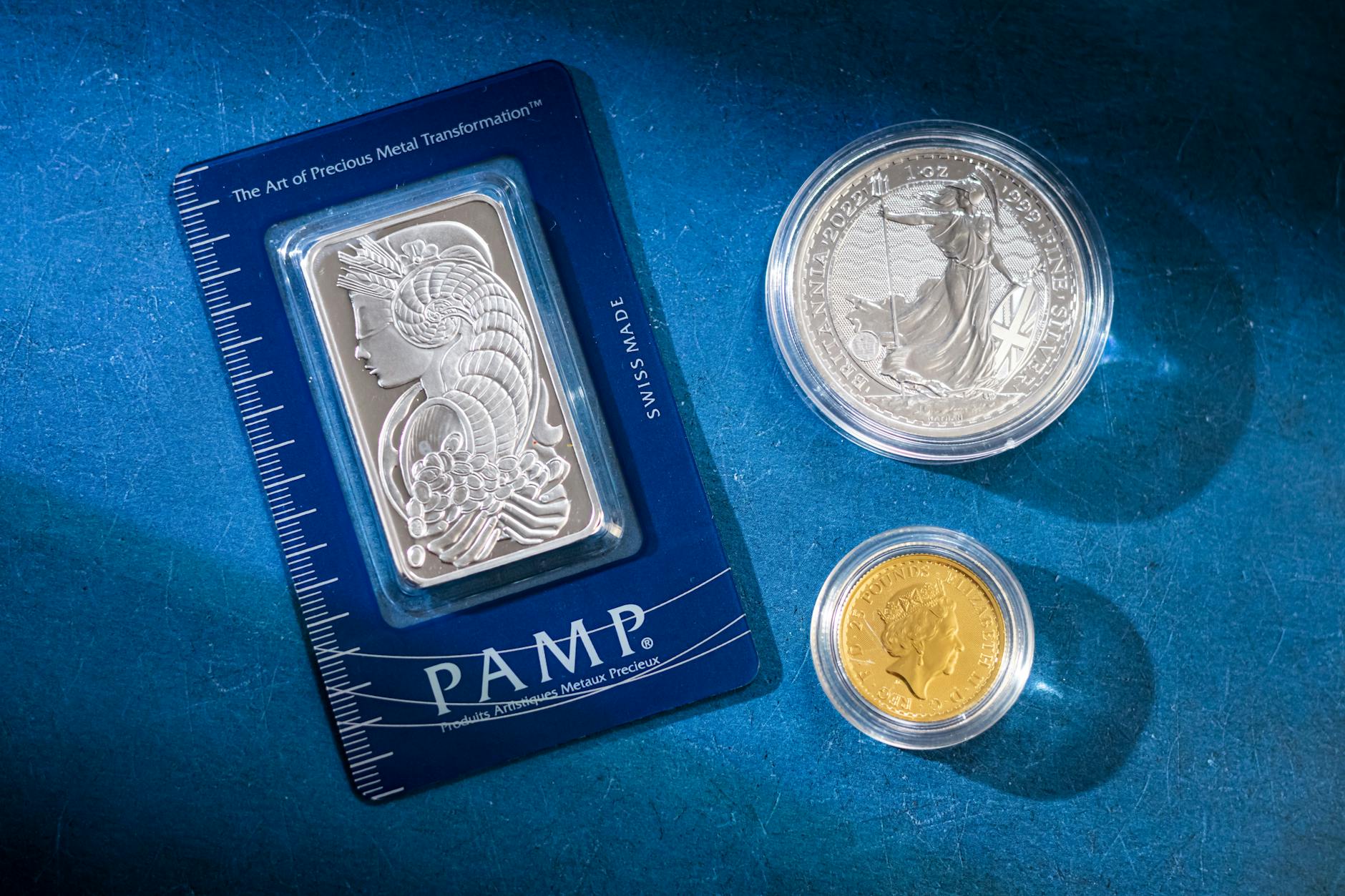
If you are just starting, buy 1 oz rounds. They give you close to the lowest premium available, they are easy to sell, and they come in the standard size that works at any dealer. You do not need the government brand when you are learning the market, and you do not need the storage efficiency of bars when you are accumulating your first few ounces.
If liquidity is your top priority, meaning you want silver you can sell quickly anywhere without explanation, add coins to your mix. A blend of rounds for bulk and coins for liquidity is what most experienced stackers end up with. The coins are your first line of easy liquidity. The rounds are your core weight position.
Add bars once you have enough silver that storage space starts to matter and you are comfortable holding larger, less divisible pieces. The 10 oz bar is a reasonable starting point, large enough to get meaningful premium savings, small enough that you are not completely locked in.
The mistake most new buyers make is buying a 100 oz bar because the math looks attractive and then finding out two years later that they need to sell 30 oz worth and cannot do it without finding a buyer for the whole bar. Low premiums do not matter if the exit is harder than you expected.
Sources
- APMEX, JM Bullion, SD Bullion — retail premiums on coins, rounds, and bars, May 2026.
- US Mint — American Silver Eagle program specifications and mint history.
- Royal Canadian Mint — Canadian Silver Maple Leaf product information.
- Kitco — spot price reference data and historical premium tracking.