Are you wondering whether silver or gold is the better investment for the coming years? You’re not alone. Many investors are grappling with this decision, particularly as economic uncertainty grows. At Fused Distribution, we stock a wide range of precious metals, and we’ve seen firsthand how investors react to market fluctuations. This guide breaks down the projected performance of silver and gold through 2025 and 2026, offering a clear comparison to help you make informed decisions. We’ll focus on tangible data and actionable insights, not just theoretical predictions. Let’s get started.
Understanding the Investment Market
The global economy is currently navigating a complex period. Inflation remains a concern, central banks are adjusting interest rates, and geopolitical tensions are elevated. Historically, precious metals, particularly gold, have been considered “safe-haven” assets during times of economic instability. However, silver’s unique properties - its industrial demand alongside its investment appeal - add another layer of complexity to its performance. This comparison will consider both factors.
Silver’s Potential: Industrial Demand and Price Discovery
Silver isn't just a pretty metal; it’s a critical component in numerous industries. From solar panels and electronics to medical devices and automotive manufacturing, silver’s conductivity and versatility drive significant industrial demand. Global silver demand is projected to reach 863.3 metric tons in 2024, with a compound annual growth rate (CAGR) of 4.3% from 2024 to 2029. This consistent demand provides a floor for silver’s price, even during broader market downturns. Silver tends to be more volatile than gold, offering the potential for greater short-term gains. We recommend starting with a smaller allocation to silver to gauge your risk tolerance.
Gold’s Traditional Role: A Safe Haven in Times of Crisis
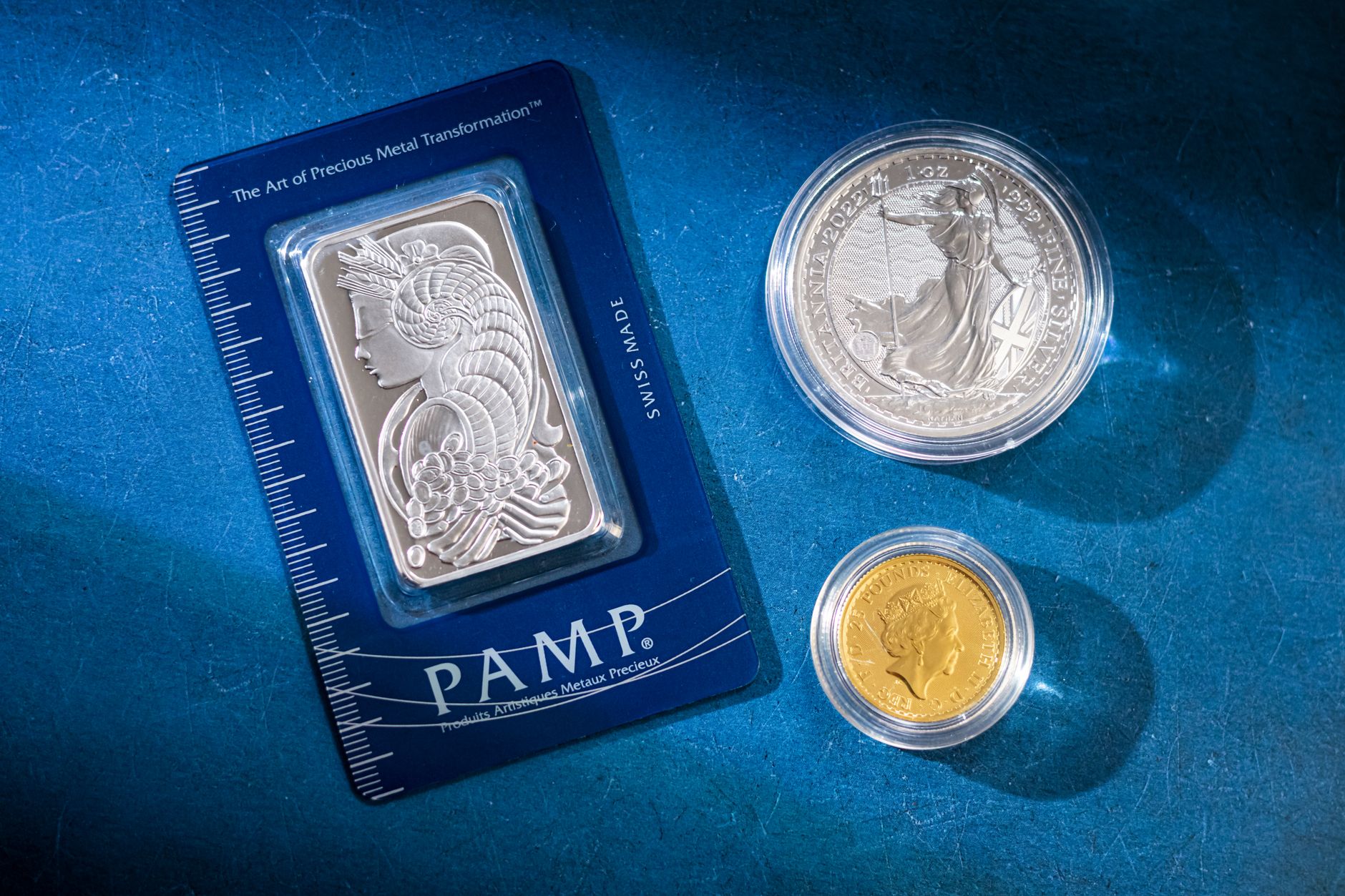
Gold has long been viewed as a store of value and a hedge against inflation and economic uncertainty. Its scarcity and historical significance contribute to its perceived security. Global gold demand reached 663.8 tonnes in the first quarter of 2024, a 13% increase year-over-year. This surge is largely attributed to investment demand, driven by concerns about inflation and geopolitical risks. Gold’s stability makes it a popular choice for long-term investors seeking to preserve capital.
Projected Performance: 2025 - A Year of Transition
2025 is expected to be a year of continued volatility. Interest rate hikes by the Federal Reserve will likely continue to weigh on the stock market, potentially driving investors toward safer assets like gold and silver. However, the strength of the industrial sector, particularly the demand for silver, could provide a counterweight. We anticipate that silver will outperform gold in terms of percentage gains, but gold will likely maintain its position as a more stable investment. A reasonable projection for silver’s average annual return in 2025 is between 8% and 12%, while gold’s average return could be closer to 4% to 7%.
Projected Performance: 2026 - Consolidation and Potential Shifts
As we move into 2026, the economic outlook will become clearer. If inflation cools down and the Fed pauses its rate hikes, the stock market could rally, potentially reducing the appeal of safe-haven assets. However, if economic uncertainty persists, both silver and gold could experience renewed demand. Analysts predict that gold prices could average $2,300 per ounce in 2026, while silver prices could average around $30 per ounce. This represents a potential increase of approximately 5% for gold and 10% for silver.
Comparing Price Movements: Silver vs. Gold - A Head-to-Head
Let’s look at some concrete price comparisons. As of July 27, 2024, the spot price of gold is approximately $2,338 per ounce, while the spot price of silver is around $31.25 per ounce. This represents a gold-to-silver ratio of roughly 74.7. Historically, this ratio has fluctuated significantly, but it provides a useful benchmark for comparing potential returns. If silver’s price increases by 10% in 2025, and gold’s price increases by 5%, silver will outperform gold by 5 percentage points.
Risk Factors: Beyond the Numbers
Investing in precious metals isn’t without risk. Market volatility, economic downturns, and geopolitical events can all impact prices. Silver is particularly susceptible to fluctuations in industrial demand, while gold’s price is influenced by global economic conditions and investor sentiment. Diversification is key. Don’t put all your eggs in one basket. Consider allocating a portion of your portfolio to other asset classes as well.
How Much Should You Invest?
There’s no one-size-fits-all answer to this question. The amount you invest depends on your financial goals, risk tolerance, and overall portfolio. As a general guideline, we recommend starting with an allocation of 5-10% of your portfolio to precious metals. Beginners might consider starting with smaller, more manageable amounts. We stock various denominations of both silver and gold coins and bars, allowing you to invest in increments that suit your budget.
Getting Started with Precious Metals Investing
Ready to take the plunge? Here’s a step-by-step guide:
- Research: Understand the different types of silver and gold products available (coins, bars, rounds, ETFs).
- Choose a Dealer: Select a reputable dealer like Fused Distribution that offers competitive pricing and secure storage options. We pride ourselves on transparency and customer service.
- Open an Account: If you’re investing in ETFs or futures contracts, you’ll need to open an account with a brokerage firm.
- Place Your Order: Once you’ve chosen your products and account, you can place your order. Start small and gradually increase your investment as you gain experience.
Common Mistakes to Avoid
- Panic Selling: Don’t sell your precious metals during market downturns. This is often the worst time to sell, as you’ll lock in losses.
- Ignoring Storage Costs: Storing precious metals can incur costs. Consider using a secure home safe or a professional storage facility.
- Buying from Unreliable Dealers: Always purchase from reputable dealers to avoid fraud and ensure the authenticity of your investment.
- Investing Without a Plan: Develop a clear investment strategy and stick to it. Don’t let emotions drive your decisions.
The Future of Silver and Gold
While predicting the future with certainty is impossible, the long-term outlook for both silver and gold remains positive. The increasing demand for silver in industrial applications, coupled with gold’s enduring role as a safe-haven asset, suggests that these metals will continue to be valuable investments. At Fused Distribution, we’re committed to providing you with the resources and support you need to navigate the precious metals market and achieve your financial goals.
Looking Ahead: Your Next Step
Don’t wait until the next market correction to start investing in silver or gold. Start small, educate yourself, and build a diversified portfolio that aligns with your financial goals. Visit our website at www.fuseddistribution.com to explore our selection of silver and gold products. Or, contact us today at sales@fuseddistribution.com to speak with one of our experienced advisors. Let us help you secure your financial future.
Related
- Silver Price Prediction 2026: What Analysts Expect
- Why Silver Price Dropped This Month Explained
- Silver Reserve Vs 401K Which Makes More Sense
Read next: Silver Price Prediction 2026: What Analysts Expect