Are you wondering whether investing in silver through a program like Silver Reserve makes more sense than contributing to your 401(k)? It’s a common question, especially as you consider diversifying your portfolio and protecting your savings. At Fused Distribution, we stock a wide variety of precious metals and understand the complexities of investment choices. We recommend a careful, informed approach. This guide breaks down the key differences between these two options, helping you decide which aligns best with your financial goals and risk tolerance.

Understanding Your Investment Goals
Before diving into the specifics of Silver Reserve and 401(k)s, it’s crucial to define your investment goals. Are you primarily seeking long-term growth, capital preservation, or income generation? Do you have a specific timeline for needing access to your funds? Your answers will significantly influence your decision. A 401(k) is generally designed for long-term retirement savings, while Silver Reserve offers a more immediate path to owning physical silver.
What to Know About 401(k)s
A 401(k) is a retirement savings plan sponsored by your employer. Contributions are typically made before taxes, reducing your current taxable income. This is a significant advantage. You can choose from a selection of investment options within your 401(k), often including mutual funds, target-date funds, and sometimes, individual stocks.
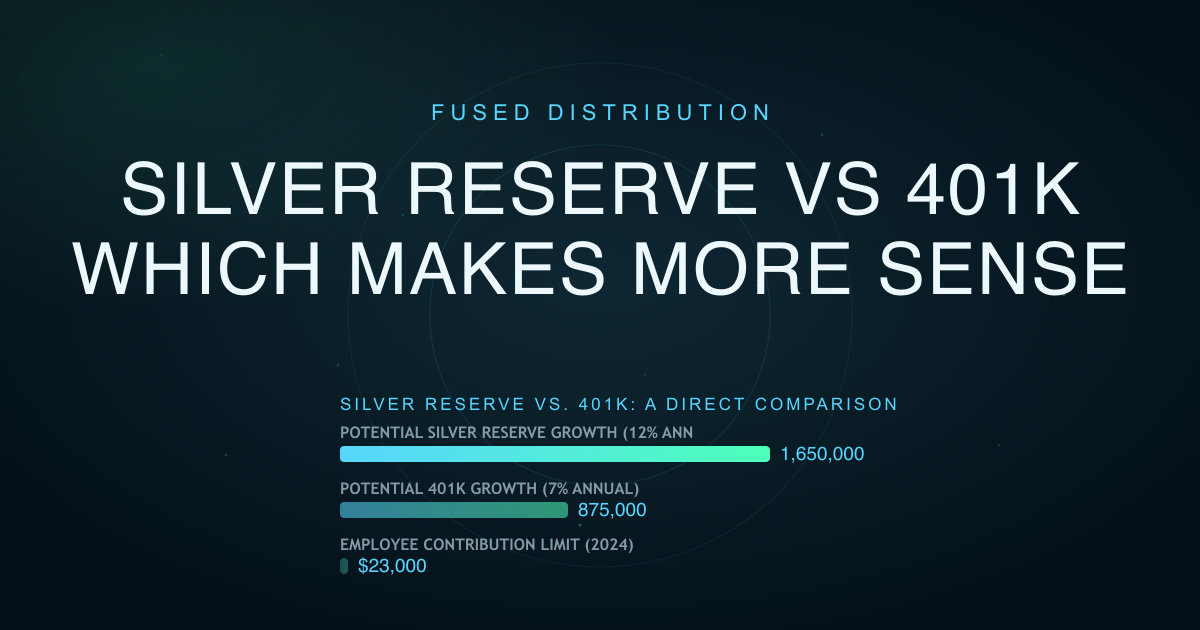
- Contribution Limits: For 2024, the employee contribution limit is $23,000, with an additional $7,500 catch-up contribution for those age 50 and over. [SOURCE: IRS Publication 590-A]
- Tax Advantages: Contributions are tax-deferred, meaning you don’t pay taxes on the investment gains until you withdraw them in retirement.
- Employer Matching: Many employers offer matching contributions, essentially giving you free money towards your retirement savings. This is a huge benefit - aim to contribute at least enough to receive the full employer match.
- Investment Risk: 401(k) investments can vary significantly in risk. Target-date funds, designed for retirement, automatically adjust their asset allocation as you approach retirement, becoming more conservative over time.
What is Silver Reserve?
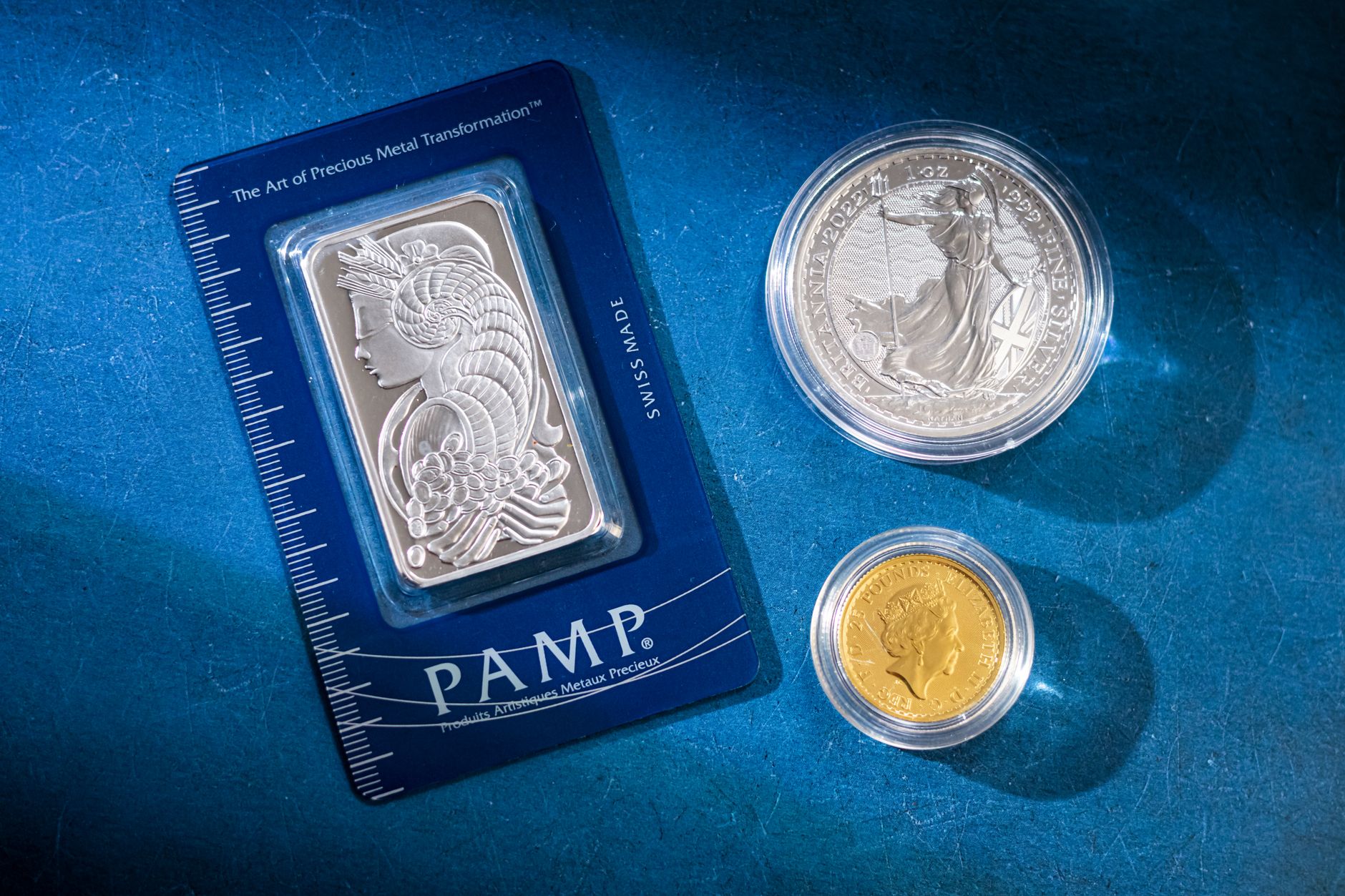
Silver Reserve is a precious metals dealer that offers a unique way to own physical silver bullion. Instead of buying and storing silver coins or bars yourself, Silver Reserve handles the logistics. You make monthly contributions, and Silver Reserve purchases silver on your behalf. The silver is then stored securely in vaults around the world.
- Monthly Contributions: You choose a monthly contribution amount, typically ranging from $50 to $500.
- No Storage Fees: Silver Reserve covers all storage fees, simplifying the process.
- Physical Ownership: You own the physical silver bullion, providing a tangible asset.
- Potential Volatility: Silver prices can be volatile, meaning the value of your holdings can fluctuate significantly.
Silver Reserve vs. 401(k): A Direct Comparison
Let’s look at some key differences between the two options.
| Feature | 401(k) | Silver Reserve | |----------------------|---------------------------------------|----------------------------------------| | Investment Type | Mutual Funds, Stocks, Bonds, etc. | Physical Silver Bullion | | Tax Advantages | Tax-deferred growth | No upfront tax benefits | | Liquidity | Generally high - withdrawals allowed after age 59 ½ | Limited - withdrawals subject to penalties | | Storage | You are responsible for storage | Silver Reserve handles storage | | Risk | Varies depending on investments | High - subject to silver price volatility | | Minimum Investment| Often $1,000 to open an account | Typically $50 per month |
The Potential Benefits of Silver Reserve
- Diversification: Adding silver to your portfolio can diversify your holdings, potentially reducing overall risk. Historically, silver has often performed differently than stocks and bonds.
- Inflation Hedge: Silver is often considered an inflation hedge, meaning its value tends to rise during periods of inflation. While not a guaranteed hedge, it can offer some protection against the declining purchasing power of your currency.
- Tangible Asset: Owning physical silver provides a tangible asset you can hold and control.
- Simplicity: Silver Reserve handles all the complexities of purchasing, storing, and insuring the silver.
The Potential Risks of Silver Reserve
- Volatility: As mentioned, silver prices can be highly volatile. You could lose a significant portion of your investment if prices decline.
- Illiquidity: Accessing your silver through Silver Reserve may be subject to withdrawal restrictions and penalties. It’s not as liquid as a 401(k) account.
- Storage Security: While Silver Reserve uses secure vaults, there’s always a risk of theft or damage.
- Dealer Risk: You’re relying on the financial stability of Silver Reserve.
How to Get Started with a 401(k)
- Enroll in your employer’s 401(k) plan: If you’re eligible, sign up and choose your investment options.
- Determine your contribution percentage: Aim to contribute enough to receive the full employer match.
- Select your investment allocations: Consider your risk tolerance and time horizon when choosing your investments.
- Review your account regularly: Monitor your investments and make adjustments as needed.
How to Get Started with Silver Reserve
- Visit the Silver Reserve website: [https://www.silverreserve.com/]
- Create an account: Provide the necessary information.
- Choose your monthly contribution amount: Start with an amount you’re comfortable with.
- Fund your account: Link your bank account and initiate your first monthly payment.
Common Mistakes to Avoid
- Not taking advantage of employer matching: This is essentially free money.
- Investing solely in volatile assets: Diversify your portfolio to reduce risk.
- Ignoring your risk tolerance: Choose investments that align with your comfort level.
- Not reviewing your investment allocations regularly: Ensure your portfolio remains aligned with your goals.
- Overlooking liquidity: Understand the withdrawal restrictions of your 401(k) and Silver Reserve.
The Numbers Speak: A Comparative Look at Potential Returns (Illustrative)
Let's consider a hypothetical scenario. Suppose you invest $500 per month for 30 years.
- 401(k) (Average Annual Return of 7%): After 30 years, this investment could grow to approximately $875,000. [SOURCE: Fidelity Retirement Calculator]
- Silver Reserve (Average Annual Return of 12% - acknowledging significant volatility): Over 30 years, with consistent contributions, and assuming an average annual return of 12% (a high estimate), your investment could potentially reach around $1,650,000. However, it’s crucial to recognize that returns could be significantly lower, or even negative, during certain periods.
It’s important to note that these are estimates and actual returns may vary significantly.
Final Thoughts: A Strategic Approach
Both 401(k)s and Silver Reserve can play a role in your overall financial plan. A 401(k) is a solid foundation for long-term retirement savings, offering tax advantages and employer matching. Silver Reserve can provide diversification and a tangible asset, but it’s essential to understand the associated risks. We at Fused Distribution recommend carefully considering your goals, risk tolerance, and time horizon before making a decision. Don’t treat either as a ‘magic bullet’ - they’re pieces of a larger, more complex financial puzzle.
Consider consulting with a financial advisor to determine the best strategy for your individual circumstances. Investing in precious metals, like silver, should be a small part of a well-rounded portfolio.
Looking ahead, continued market volatility and inflation concerns will likely keep investors interested in diversifying their portfolios. Stay informed, and prioritize a long-term perspective.