Silver is a metal with enduring value, and increasingly, savvy investors are exploring ways to take advantage of its fluctuating price. But what happens to all the scrap silver - from jewelry to electronics - that’s no longer used? The silver recycling and scrap recovery market is a surprisingly complex and potentially lucrative area. We stock a wide range of silver bullion and coins, and we recommend understanding how this market works to maximize your investment returns. This guide will break down the key aspects, helping you navigate the process and potentially unlock hidden value in your own silver holdings.
What to Know About Silver Recycling
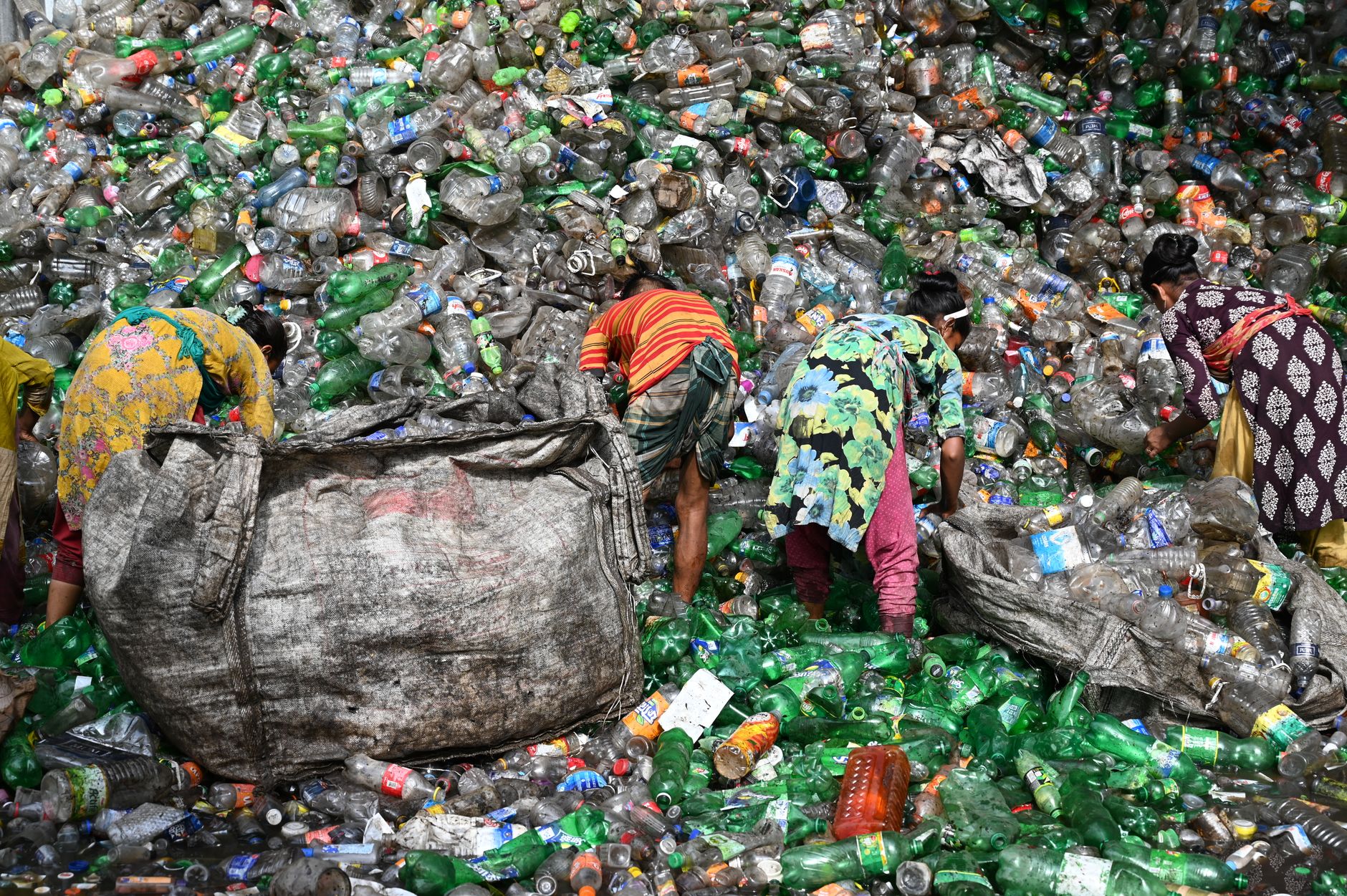
The silver recycling and scrap recovery market isn't just about melting down old silverware. It’s a sophisticated system involving various industries and processes. Initially, the primary driver of silver demand is industrial use - primarily in electronics manufacturing. However, a significant portion of the silver supply comes from recycled sources. According to industry reports, the global scrap silver market was valued at $1.78 billion in 2023, and is projected to grow at a CAGR of 4.7% from 2024 to 2028. This growth is fueled by increased e-waste and growing awareness of sustainable practices. We’ve seen a notable uptick in customers seeking to recycle their old electronics, recognizing the value in recovering precious metals. The process typically involves several stages: collection, sorting, refining, and finally, the sale of the recovered silver. Different types of silver - sterling silver, fine silver, and silver plating - require different refining techniques. Also, the market price of silver fluctuates constantly, impacting the profitability of recycling operations. Understanding these dynamics is crucial for anyone considering selling their scrap silver.
How to Get Started with Silver Recycling
Selling your scrap silver can seem daunting, but it’s a manageable process. Here’s a step-by-step guide:
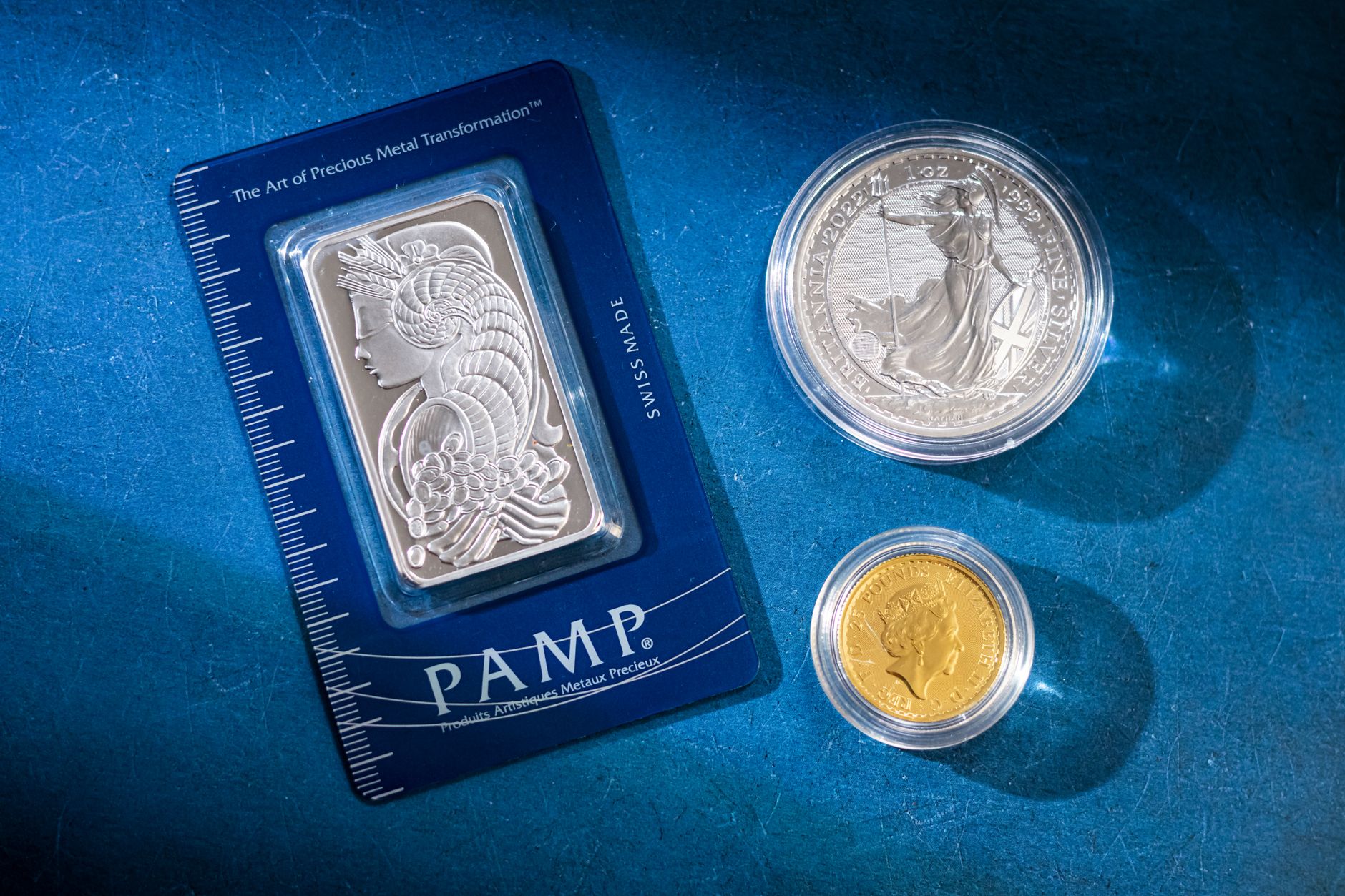
- Assess Your Silver: Start by gathering all your potential silver sources - jewelry, silverware, electronics, old coins, and any other items containing silver. Determine the silver content in each item. Sterling silver, for example, is typically 92.5% silver and 7.5% other metals. Knowing the purity will significantly impact the value you receive.
- Find a Reputable Buyer: Don’t just go with the first buyer you find. Research local precious metal dealers, pawn shops, and online scrap silver buyers. Compare their offers - don’t be afraid to call around and get multiple quotes. We recommend checking online reviews and asking for references.
- Weigh Your Silver: Accurate weighing is essential. Most reputable buyers will provide a scale for you to weigh your silver. Ensure the scale is calibrated correctly. A small difference in weight can translate to a significant difference in price.
- Understand Purity and Refining: Be transparent about the purity of your silver. If you’re unsure, ask the buyer to assess it. Refining processes can add costs, so it’s important to understand how the buyer will handle this.
- Negotiate the Price: Don’t accept the first offer. Negotiate the price based on the silver content, current market prices, and the buyer’s refining fees. Knowledge is power - research current silver prices before you sell.
Common Mistakes to Avoid When Selling Scrap Silver
Several common mistakes can reduce the value you receive for your scrap silver. Here's how to avoid them:
- Selling to Unreputable Buyers: As mentioned earlier, research your buyers carefully. Beware of buyers offering suspiciously low prices - they may be operating illegally or engaging in deceptive practices.
- Not Knowing the Silver Content: If you don’t know the silver content of your items, you’re leaving money on the table. A simple test kit can provide an estimate, but professional assessment is always recommended for valuable items.
- Ignoring Refining Fees: Refining fees can significantly impact the final payout. Ask about the buyer’s refining fees upfront and compare them across different buyers.
- Failing to Negotiate: Don’t be afraid to negotiate the price. The buyer may be willing to increase their offer if you’re willing to walk away.
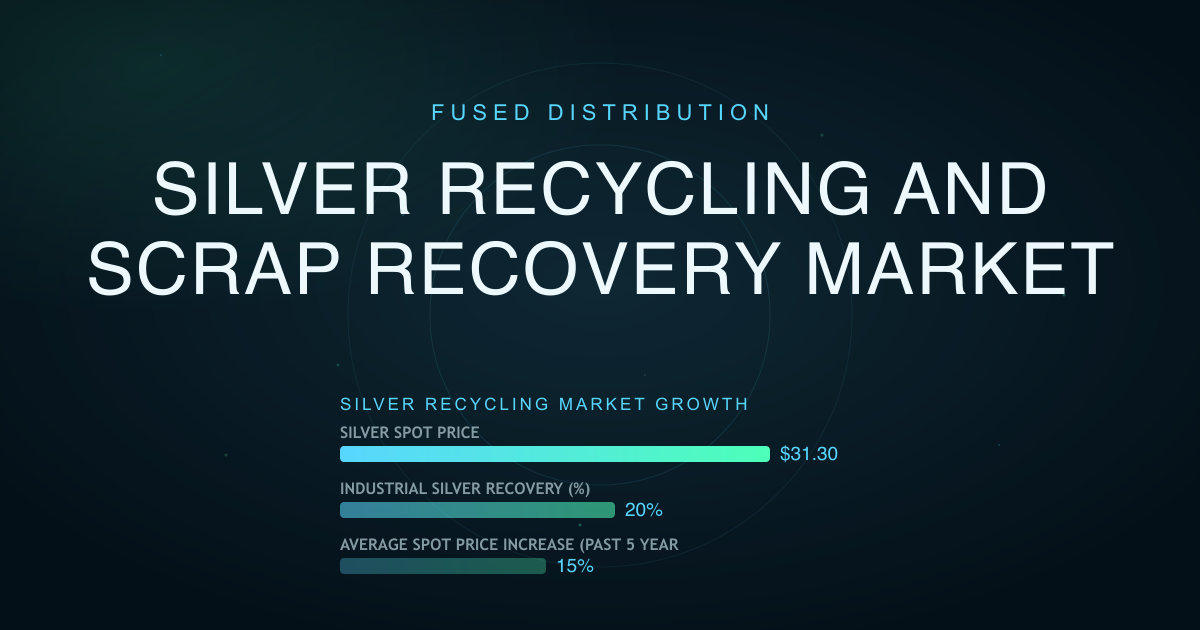
- Delaying the Sale: Silver prices fluctuate. Waiting too long to sell your scrap silver could mean missing out on a higher payout. Monitor the market and sell when the price is favorable. According to industry data, the average spot price of silver has increased by approximately 15% over the past five years.
The Role of Industrial Recycling
While retail recycling plays a role, a significant portion of silver recovered comes from industrial sources. Electronics, particularly smartphones, laptops, and circuit boards, are major contributors. The increasing global production of electronics inevitably leads to more e-waste, creating a consistent demand for silver recovery. Also, the automotive industry utilizes silver in catalytic converters, another substantial source of recycled silver. The International Resources Recovery Institute estimates that approximately 20% of the world's silver supply is recovered from industrial processes.
Silver Refining Processes - A Closer Look
The refining process is critical to extracting pure silver from scrap. Several methods are employed, each with varying costs and efficiencies:
- Electrolytic Refining: This is the most common method, using electrolysis to dissolve impurities and deposit pure silver onto a cathode.
- Chemical Refining: This method uses chemical solutions to selectively dissolve impurities, leaving behind pure silver.
- Smelting: This process involves melting the scrap silver with other metals to separate the silver.
The chosen refining method impacts the final purity and the overall cost of the recovered silver. We recommend discussing the refining process with your chosen buyer to understand the associated costs and quality of the final product.
Market Trends and Future Outlook
The silver recycling and scrap recovery market is expected to continue growing in the coming years, driven by several factors:
- Increasing E-Waste: The global e-waste stream is projected to continue growing exponentially, creating a steady demand for silver recovery.
- Sustainability Concerns: Growing consumer awareness of environmental issues is driving demand for recycled materials.
- Silver Demand in Industrial Applications: Silver’s unique properties - conductivity, corrosion resistance, and reflectivity - make it essential in various industrial applications, ensuring ongoing demand. According to the Silver Institute, industrial demand for silver is projected to increase by 3.5% annually over the next five years.
Silver Pricing and Market Volatility
Silver prices are notoriously volatile, influenced by a complex interplay of factors, including:
- Industrial Demand: As mentioned, silver’s use in electronics and automotive industries significantly impacts demand.
- Investment Demand: Silver is often used as a safe-haven asset during times of economic uncertainty, driving up demand and prices.
- Currency Fluctuations: The US dollar’s value can influence silver prices.
- Geopolitical Events: Political instability can impact supply and demand.
Monitoring silver prices is crucial for maximizing your returns when selling scrap silver. We recommend tracking silver prices on reputable financial websites. As of today, July 25, 2026, the spot price of silver is $31.30 per ounce.
Maximizing Your Returns: Tips from an Investor’s Perspective
As investors, we understand the importance of maximizing returns. Here are some additional tips for maximizing your profits when selling scrap silver:
- Consolidate Your Silver: Instead of selling small amounts of silver sporadically, try to consolidate your holdings to increase the volume you can sell at once.
- Consider Selling in Batches: Selling in larger batches can sometimes result in a better price.
- Be Patient: Don’t rush into selling your silver. Monitor the market and wait for a favorable price.
- Diversify Your Investments: Silver should be part of a diversified investment portfolio, not your sole investment.
We stock a variety of silver products, including bullion, coins, and bars, to help you build a well-rounded investment portfolio. We recommend consulting with a financial advisor to determine the appropriate allocation for your individual circumstances. Looking ahead, the silver recycling and scrap recovery market presents a compelling opportunity for both investors and those seeking to responsibly manage their silver holdings. By understanding the market dynamics and following these guidelines, you can potentially unlock significant value from your scrap silver. We encourage you to explore our selection of silver bullion and coins - a solid foundation for your investment journey.