Are you looking for a way to protect your wealth from inflation and economic uncertainty? You’re not alone. Many investors are questioning the long-term value of traditional cash holdings. Silver, a tangible asset with a proven track record, often emerges as a compelling alternative. At Fused Distribution, we stock a wide selection of silver bullion and coins, and we recommend it as a serious consideration for diversifying your portfolio. Let’s break down why silver can hold more value than cash, and how you can start building a strategic reserve.

Understanding Cash Holding Costs
Cash, while convenient, isn’t a reliable store of value. Inflation relentlessly erodes its purchasing power. Consider this: the Bureau of Labor Statistics reported that the Consumer Price Index (CPI) increased by 3.1% over the twelve months ending June 2024. That means every dollar you hold in cash buys less today than it did last year. Your savings shrink over time, diminishing their potential to meet your future needs. Unlike a fixed-income investment, cash doesn’t inherently grow in value. It simply loses ground to rising prices. This constant erosion is a significant drawback for long-term wealth preservation.
Silver is Physical: A Tangible Difference
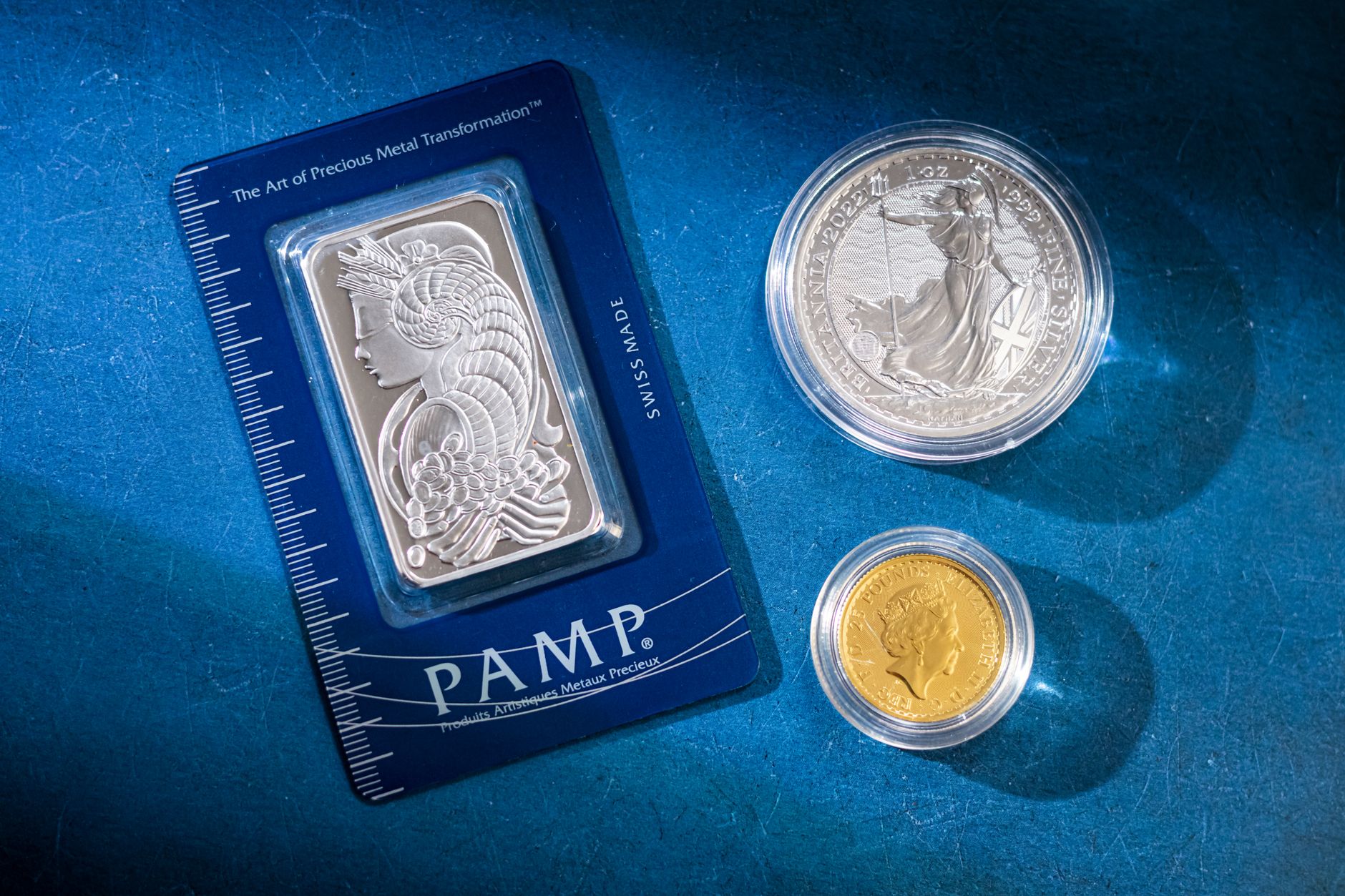
Silver stands apart from paper money because it’s a physical asset. You can hold it, examine it, and verify its authenticity. This tangible nature provides a sense of security and control that’s often missing with digital assets. It’s a direct representation of value, independent of market speculation or government policies. While the price of silver fluctuates, its intrinsic worth - its use in electronics, jewelry, and industrial applications - remains relatively stable. The value you see is real, not just numbers on a screen. This fundamental difference is why many investors turn to silver as a hedge against economic volatility.
The Silver-to-Cash Ratio: A Clear Comparison
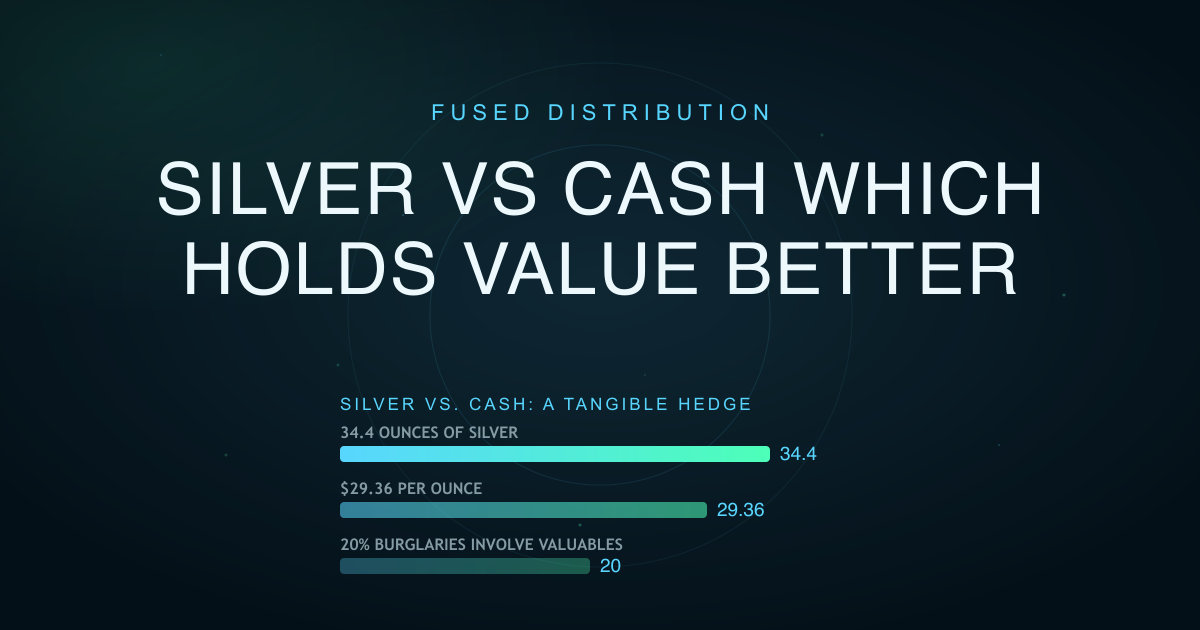
To truly understand how silver stacks up against cash, let’s look at the silver-to-cash ratio. This metric compares the value of a certain amount of silver to the equivalent value of cash. As of July 26, 2024, the spot price of silver is approximately $29.36 per ounce. Let’s consider a scenario: $1,000 in cash would buy you roughly 34.4 ounces of silver (based on this price). This ratio highlights the potential return on investment. If silver’s price increases, your $1,000 investment in cash will buy less silver, while your silver investment will grow in value. The ratio demonstrates a clear advantage for silver in terms of wealth preservation.
Storage Matters: Protecting Your Physical Silver
Owning physical silver is only half the battle. Proper storage is crucial to maintaining its value. Leaving your silver bars or coins in a drawer or under your mattress is not a secure option. Theft and damage are significant risks. Consider investing in a secure safe, a bank safety deposit box, or a reputable third-party storage solution. A study by the National Insurance Crime Bureau found that jewelry theft accounted for nearly $1.5 billion in losses in 2023, highlighting the importance of safeguarding your precious metals. Protecting your investment requires proactive measures.
Dollar-Cost Averaging: A Smart Investment Strategy
Don’t feel pressured to buy all your silver at once. Dollar-cost averaging is a proven strategy for mitigating risk and maximizing returns. This involves investing a fixed amount of money in silver at regular intervals, regardless of the price. For example, you could invest $100 in silver every month. This approach smooths out the entry price, reducing the impact of market volatility. You’re essentially averaging out your purchase price over time, potentially benefiting from dips in the market. The average cost per ounce of silver will be lower than if you purchased it all at once.
The Nature of Silver's Tangible Asset Value
Cash loses purchasing power. Inflation erodes its value over time. You need something tangible to hold onto. Silver has intrinsic physical worth. It exists outside of market mood swings. You can see this in the silver-to-cash ratio. This shows how silver stacks up against liquid money. Physical silver needs good storage. Keep it safe from damage and theft. Dollar-cost averaging helps you buy smart. This spreads your entry cost over time. It smooths out the buying process when comparing silver to your regular cash flow. The value of silver is not dependent on investor sentiment; it’s based on its inherent properties and uses.
Comparing Silver vs Cash: A Value Breakdown
Let’s examine a direct comparison: cash versus silver. Cash, as we’ve established, suffers from inflation. The Federal Reserve’s target inflation rate is 2%, but in reality, inflation has been significantly higher recently. This means your cash is losing value at a faster rate than the 2% target. Conversely, silver has demonstrated a remarkable ability to maintain its value during periods of economic uncertainty. Historically, silver has often outperformed stocks and bonds during inflationary periods. A 2020 report by the World Gold Council found that gold and silver tend to rise in value during times of economic recession. Comparing the two assets clearly demonstrates silver’s potential as a safe haven. For more on this, see Silver Premium Over Spot Explained.
Practical Steps for Silver Holding: Building Your Reserve
You need to see how silver stacks up against cash. Look at the silver-to-cash ratio. This shows how silver acts when compared to liquid assets. It gives you a clear picture of its role in your holdings.
Secure storage is essential. You need a reliable place to store your silver bars or coins. Consider a bank safety deposit box or a home safe that meets security standards. A study by the FBI estimates that approximately 20% of burglaries involve theft of valuables, underscoring the importance of reliable security measures.
Dollar-cost averaging works for you. Don’t try to time the perfect purchase. Buy a set amount regularly. This smooths out your entry point over time. You manage your cash flow while accumulating silver. Starting with a small investment - perhaps $50 to $100 per month - is a great way to begin.
Stop guessing about premiums. Reserve your silver straightforwardly at our reserve page.
Ready to Start Building Your Silver Reserve?
At Fused Distribution, we understand the importance of protecting your wealth and diversifying your portfolio. We stock a wide range of silver bullion and coins, offering transparent pricing and convenient purchasing options. Our goal is to make it easy for you to build a strategic silver reserve. Stop relying solely on cash, which is steadily losing its value. Explore the potential of silver as a tangible asset that can weather economic storms. Visit our reserve page today to learn more and begin your journey towards a more secure financial future.
Related
- How To Start Buying Silver With 100 Dollars
- Silver Premium Over Spot Explained
- Troy Ounce Vs Regular Ounce Silver Explained
Read next: How To Start Buying Silver With 100 Dollars