Are you looking to build a physical silver reserve but feeling overwhelmed by the confusing terminology and pricing involved in the precious metals market? You’re not alone. Many investors, particularly beginners, struggle to grasp the fundamental differences between a troy ounce and a regular ounce of silver. At Fused Distribution, we prioritize clarity and transparency, cutting through the dealer markup games and confusing premiums. We provide clear pricing and straightforward service, without the pressure often associated with buying precious metals. This article will break down exactly what these terms mean, why they matter significantly for your investment strategy, and how understanding the distinction between a troy ounce and a regular ounce can save you considerable money when purchasing silver.
What is a Troy Ounce?
A troy ounce is a specific, standardized unit of weight meticulously used for measuring precious metals such as silver, gold, platinum, and palladium. It’s a critical distinction from the “ounce” you might encounter in everyday life. The troy ounce is rooted in the historical weight of one troy pound, which itself represents a long-standing unit of measurement. This measurement is essential for bullion - encompassing bars, coins, and rounds - and is the benchmark against which all silver is priced and traded globally. Understanding this standard is the foundational step toward making informed decisions about your silver investments. It’s consistently used in product descriptions and pricing charts, providing a reliable reference point.
What is a Regular Ounce?
A regular ounce, also frequently referred to as a circulating ounce or a “street ounce,” represents a different measurement of weight. It’s based on the weight of 28.35 grams, which equates to approximately one ounce of avoirdupois weight - the type of weight commonly used in grocery stores. This difference is surprisingly substantial. While a troy ounce weighs 31.1035 grams, a regular ounce weighs considerably less. This discrepancy can lead to confusion and potentially unexpected costs if you’re not fully aware of it. You’ll generally find investment-grade silver sold in troy ounces, not regular ounces.
The Key Difference: Weight Comparison - A Concrete Example
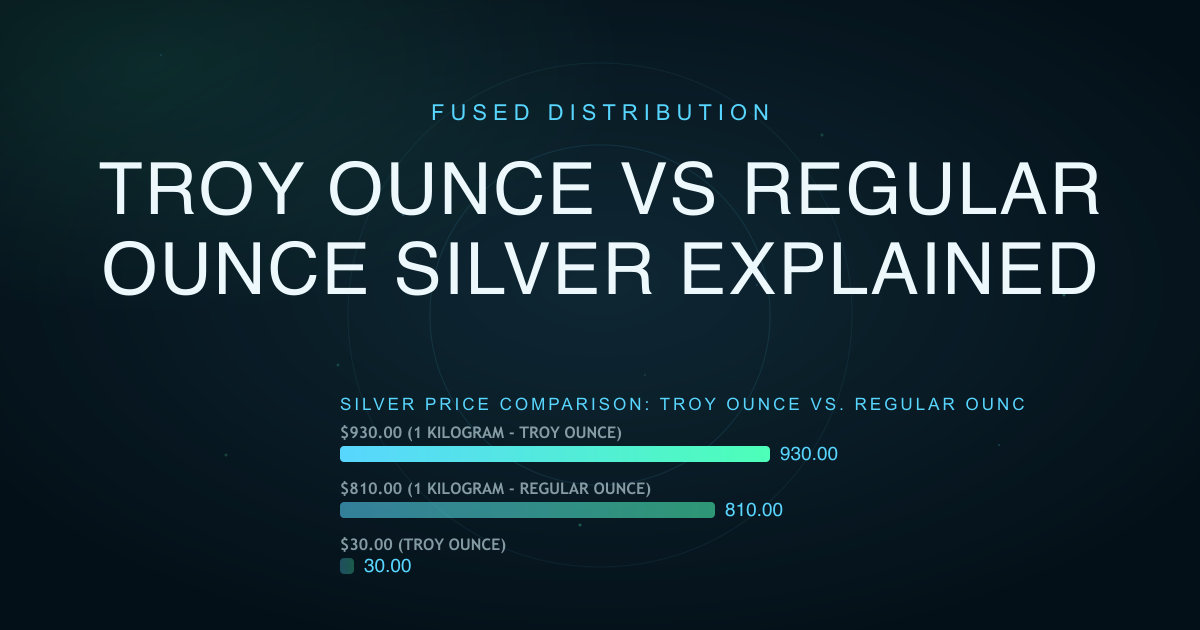
Let’s illustrate the difference with a tangible example to drive home the point. As of October 26, 2023, a troy ounce of silver currently sells for around $30 per ounce. However, a regular ounce of silver sells for approximately $27 per ounce, using the same date as a reference point. This difference of $3 per ounce might appear minor at first glance, but it accumulates significantly when purchasing larger quantities of silver. Consider buying 10 ounces of silver - the cumulative difference is $30! This underscores the critical importance of knowing the difference between these two units of measure. It’s a fundamental factor in determining the true cost of your investment and should be carefully considered.
Why the Difference Matters for Your Silver Purchase
The weight difference isn't merely a technical detail; it directly impacts the final price you pay. Dealers and retailers frequently fail to explicitly state whether they’re quoting prices in troy ounces or regular ounces. This lack of transparency can lead to confusion and, potentially, inflated prices. Always confirm the unit of weight being used before committing to a purchase. A simple, direct question - “Are you quoting this price in troy ounces?” - can prevent costly misunderstandings and ensure you’re receiving accurate pricing. Understanding this distinction is crucial for comparing silver products effectively and securing the best possible value.
How This Affects Your Silver Purchase: Buying in Bulk
The weight difference becomes even more pronounced when buying silver in bulk. For instance, if you’re purchasing 100 ounces of silver, the discrepancy between troy and regular ounces can add up to a substantial amount. Let’s say you purchase 100 troy ounces of silver at $30 per troy ounce - that totals $3,000. Conversely, if you bought the same 100 ounces at $27 per regular ounce, you’d pay $2,700. That’s a $300 difference! This highlights the necessity of meticulously verifying the unit of weight before making a significant investment. Careful attention to detail in this area can translate to substantial savings over time.
Choosing the Right Silver Standard: Investment vs. Collectible
The decision between using a troy ounce and a regular ounce hinges largely on your intended use for the silver. For investment-grade silver - encompassing bars, coins, and rounds - the troy ounce is the universally accepted standard. These products are specifically manufactured and priced based on the troy ounce weight, providing a consistent and reliable benchmark. Collectible silver, on the other hand, may be offered in a variety of weights, including regular ounces. It’s vital to understand the context of the sale to ensure you’re receiving the correct unit of weight and avoiding potential miscalculations. If you’re building a long-term investment portfolio, sticking with troy ounces is generally the most prudent approach. For more on this, see How To Verify Silver Purity At Home.
Understanding Spot Price and the Impact of Unit Measurement
The “spot price” of silver represents the current market price per troy ounce. This is the price at which silver is traded on the global market, reflecting supply and demand dynamics. However, the price you ultimately pay at the retailer will invariably include premiums - additional costs associated with fabrication, packaging, and the dealer’s profit margin. These premiums can vary significantly depending on the retailer and the product, but the unit measurement (troy ounce vs. Regular ounce) has a direct and measurable impact on the total cost. Always factor in the unit measurement when calculating the true cost of your silver purchase, ensuring you’re making a fully informed decision.
The Importance of Transparency from Your Dealer
Fused Distribution is committed to operating with complete transparency. We consistently and clearly state the unit of weight (troy ounce) when quoting prices for our silver products. We believe that our customers deserve to understand exactly what they’re buying and how much they’re paying. We actively avoid dealer markup games and confusing premiums, prioritizing straightforward pricing and honest service. If a dealer isn’t upfront about the unit of weight, it’s a strong indicator that they may not be operating with your best interests at heart.
A Quick Comparison of Silver Prices (as of October 26, 2023)
| Unit of Measure | Price Per Unit | |---|---| | Troy Ounce | $30.00 | | Regular Ounce | $27.00 | | 1 Kilogram (32.15 Troy Ounces) | $930.00 | | 1 Kilogram (32.15 Regular Ounces) | $810.00 |
As you can see, the difference between the two units remains consistent. This reinforces the critical importance of always verifying the unit of weight being used before making any purchase decisions. These figures are indicative and subject to market fluctuations, but they provide a clear illustration of the cost disparity.
Choosing the Right Silver Standard: A Summary
To reiterate, consistently prioritize the troy ounce when purchasing investment-grade silver. It’s the standardized measurement for bullion and coins, ensuring accurate pricing and promoting transparency. Regular ounces are primarily utilized for collectible silver and may offer slightly lower prices, but they can be misleading if you’re unaware of the weight difference. By thoroughly understanding this distinction, you can confidently navigate the complexities of the silver market, make informed investment decisions, and ultimately build a secure and profitable silver portfolio.
Stop guessing about silver prices. Reserve your physical silver straightforwardly at our reserve page now. Let us help you build a secure and profitable silver portfolio.
Related
- PCGS and NGC Certified Silver Coins: Your Guide to Smart Investing
- How To Verify Silver Purity At Home
- Magnet Test For Silver: Does It Work?
Read next: PCGS and NGC Certified Silver Coins: Your Guide to Smart Investing