Are you investing in silver, whether it’s coins, bars, or jewelry, and worried about getting scammed? You’re not alone. In a market increasingly plagued by counterfeit bullion, knowing how to verify silver purity at home is absolutely critical. Fused Distribution understands the concerns of discerning investors, and we stock a wide range of genuine silver products. We recommend a proactive approach to protect your investment. Let’s break down how you can confidently assess the authenticity and purity of your silver.
What Purity Standards Matter: The Basics
Understanding the difference between purity standards - like 999 and 99.99 - is the first step. Higher purity means a lower percentage of impurities mixed with the silver. This difference directly impacts the metal’s value and its suitability for various applications. You need to be able to identify what you’re looking at.
Silver is graded based on its fineness, which describes the proportion of pure silver in the alloy. 999 fine silver, often referred to as “four-nines” silver, indicates that the silver content is 99.9%. This is the most common purity mark found on silver bars and coins. However, for specialized applications or higher-end pieces, you might encounter 99.99 fine silver, also known as “five-nines” silver. This represents a tighter measurement and a higher concentration of pure silver.
Examining Markings: Assay Numbers and Purity Stamps
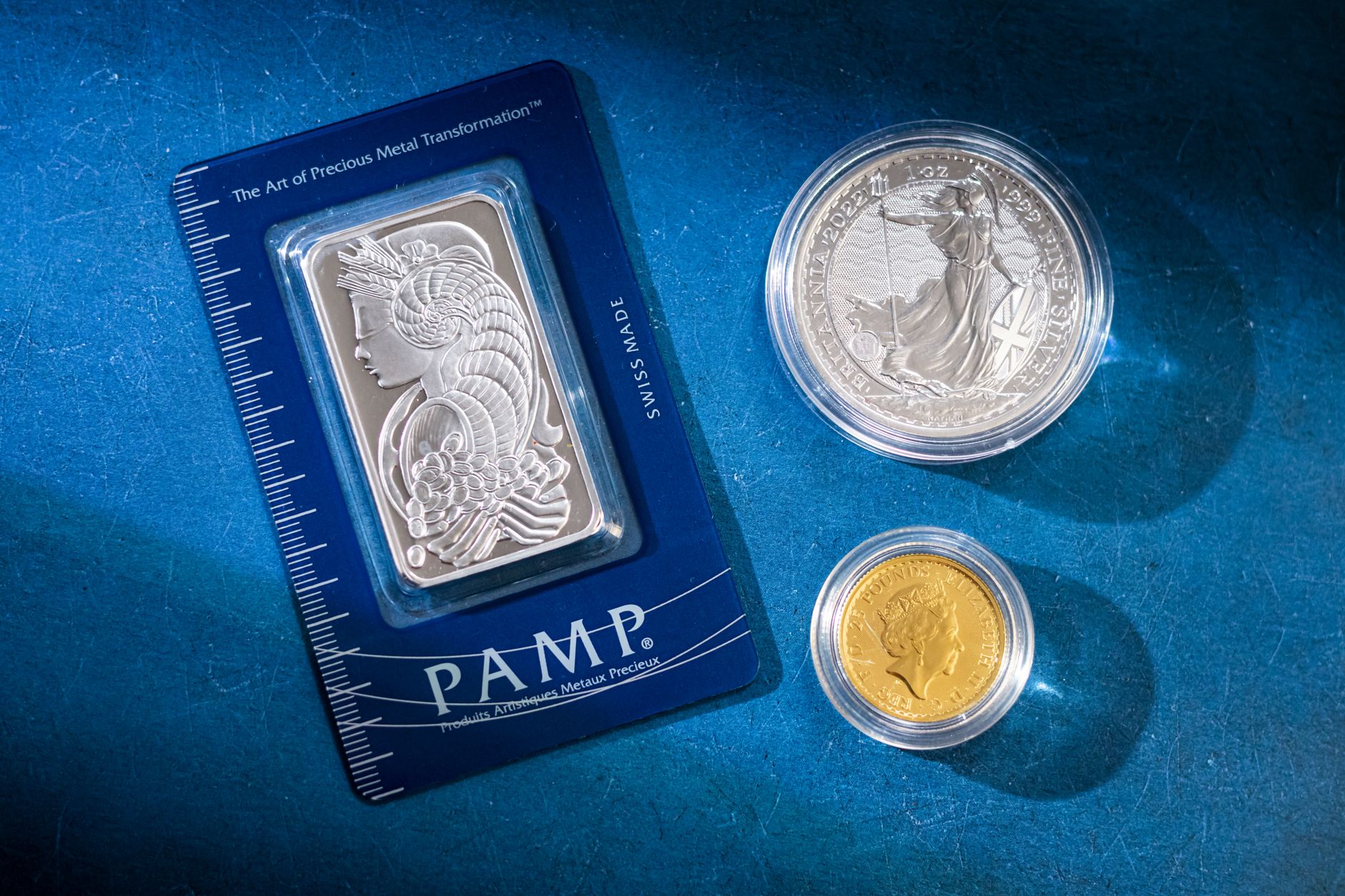
Once you understand the different purity levels, you need to know where to look for the information. Silver bars and coins typically display markings that indicate their purity. The most common markings are assay numbers and purity stamps.
An assay number is a unique identifier assigned by a certified assay office. This number confirms that the silver has been tested and certified to meet a specific purity standard. Look for this number on the bar or coin - it’s usually stamped on the surface. The assay office’s location and certification are often printed alongside the number.
Purity stamps are simpler indicators of silver content. You’ll frequently see “999,” “99.9,” “99.99,” or “Sterling” (which indicates 92.5% purity, as we’ll discuss later). Pay close attention to the details on the product. Don’t assume that markings alone guarantee authenticity; always combine visual inspection with other verification methods.
Simple Visual Checks for Common Purity Indicators
While visual inspection alone isn’t foolproof, it’s a quick and easy first step. You can spot standard purity like 999 or higher purity like 99.99. This tells you the metal quality. Look for consistent stamping, clear lettering, and no signs of tampering.
However, be aware that counterfeiters are becoming increasingly sophisticated. They can replicate markings with remarkable accuracy. This is why third-party verification is so important.
Comparing Purity Levels: 999 vs. 99.99
Let’s go deeper into the differences between 999 and 99.99 silver. Standard purity levels differ. Think of 999 silver. It means the silver content is 99.9 percent. This is a common mark on many bars. It’s a solid starting point.
Higher purity means higher quality. Look for 99.99 silver. This indicates a tighter measurement. You’ll see this mark on premium products. It shows a more refined metal.
Check the bar’s markings closely. Find the assay number and purity stamp. These marks tell you the true level. Don’t just trust what you see. Third-party verification is your best check. Keep track of these purity marks. That way, you know what you’re holding.
Where to Find Independent Verification
You need to check the silver you buy. Don’t just trust the seller. Understand purity levels. A standard mark says 999. A higher mark says 99.99. This matters for your investment.
Look at the bar or coin. Find the markings. You’ll see assay numbers there. Check for purity stamps. These marks show the metal content. This gives you a starting point. For more on this, see Magnet Test For Silver: Does It Work?.
Third-party checks keep you safe. You can get independent verification. This is your best defense against doubt. Keep those purity marks safe. You’ll need them later.
Beyond Visual Inspection: XRF Analysis - The Gold Standard
While visual inspection and assay numbers are helpful, they aren’t foolproof. For a truly accurate assessment of silver purity, consider using X-ray fluorescence (XRF) analysis. XRF is a non-destructive technique that analyzes the elemental composition of a material by measuring the characteristic X-rays emitted when the sample is bombarded with X-rays.
Analysis of over 38,000 Silver Eagle tests conducted in 2024 found approximately 21% of coins tested were confirmed counterfeits, suggesting roughly 1 in 5 silver coins reaching buyers may be fake. (Source: Precious Coin Tester (2024 Testing Data). This highlights the potential for significant error.
XRF analysis of silver measured against certified reference standards produces an average deviation of just 0.25 percentage points, making it the most precise non-destructive home-accessible testing method available. (Source: Evident Scientific (Olympus). This level of accuracy is difficult to achieve with other methods.
Sterling Silver: Understanding the 92.5% Standard
Sterling silver, the most common silver standard in jewelry and flatware worldwide, must contain exactly 92.5% pure silver by weight, with the remaining 7.5% typically composed of copper. (Source: JM Bullion). This copper addition provides strength and durability to the silver, making it more resistant to tarnish and corrosion.
If you’re purchasing sterling silver, look for the “Sterling” mark, which indicates a minimum silver content of 92.5%. Be aware that some pieces may be marked as “Silver Plate,” which indicates that a thin layer of silver has been applied to a base metal. This is a lower-value product than solid sterling silver.
The Rising Threat of Counterfeits: A Growing Concern
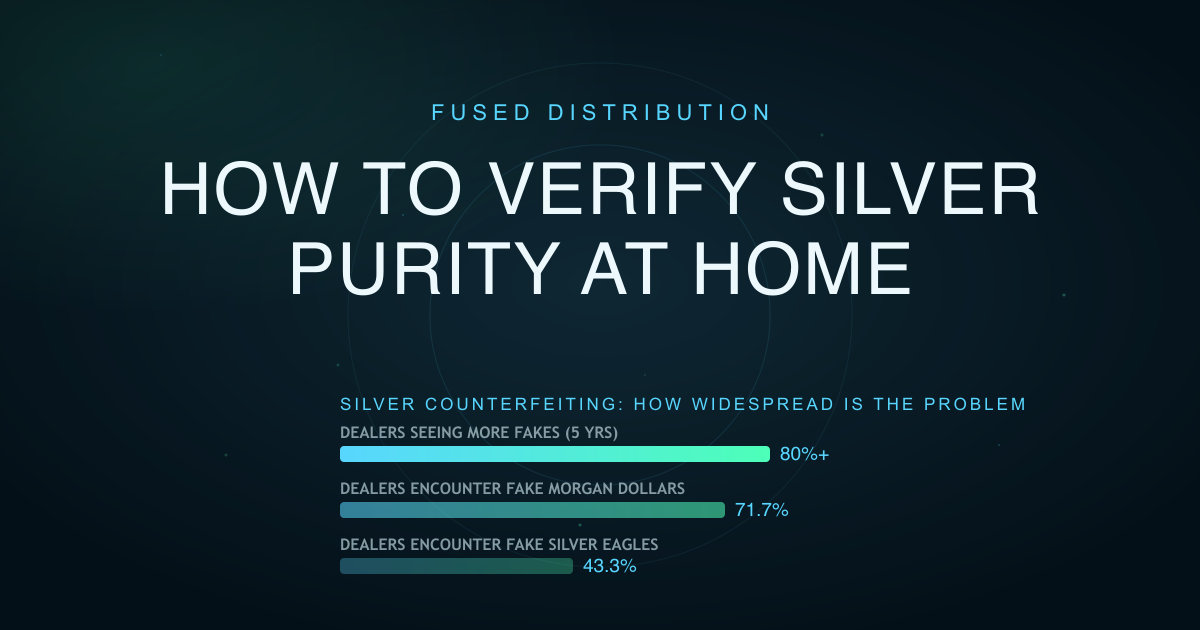
Over 80% of coin dealer survey respondents reported an increase in the number of counterfeit coins and bars entering the marketplace over the prior five years, signaling an accelerating fraud environment. (Source: CoinWeek (ICTA Anti-Counterfeiting Task Force Survey). This statistic underscores the importance of vigilance when purchasing silver.
In a survey of U.S. Coin dealers, 43.3% reported encountering customers attempting to sell counterfeit Silver American Eagle bullion coins, making it the most counterfeited bullion coin in the market. (Source: CoinWeek (ICTA Anti-Counterfeiting Task Force Survey). The prevalence of counterfeits is a serious concern for investors.
Among classic collectible coins, 71.7% of surveyed coin dealers most frequently encountered counterfeit Morgan silver dollars, the highest fake-encounter rate of any coin type in the study. (Source: CoinWeek (ICTA Anti-Counterfeiting Task Force Survey). Collectors need to be particularly cautious when acquiring rare coins.
Protecting Your Investment: A Multi-Layered Approach
Verifying silver purity isn’t just about a single test; it’s about employing a layered approach. Start with visual inspection and assay numbers. Then, consider XRF analysis for a more precise assessment. Finally, purchase from reputable dealers like Fused Distribution, where we rigorously test our inventory.
Keep records of all purchases, including purity marks, assay numbers, and any verification reports. This documentation will be invaluable if you ever need to dispute the authenticity of a piece.
Moving Forward: Secure Your Silver Reserve
Don’t guess about silver prices. Reserve your physical silver now and see the real cost. Fused Distribution offers transparent pricing and a commitment to providing genuine silver products. Start building your secure silver reserve today.
Related
- Magnet Test For Silver: Does It Work?
- Silver Counterfeit Detection Guide
- How To Spot Fake Silver Coins And Bars
Read next: Magnet Test For Silver: Does It Work?