Are you serious about building a physical silver reserve, but worried about getting scammed? You’re not alone. Many investors, especially beginners and those new to physical precious metals, struggle with the complexities of verifying silver authenticity. Fused Distribution cuts through the confusion, providing you with clear pricing and real metal. We’ll show you exactly what to look for, how to check for fakes, and how to ensure you’re investing in genuine silver. This guide will equip you with the knowledge to confidently purchase silver and protect your investment.
Identifying Common Silver Counterfeit Signs
The first step in safeguarding your silver investment is recognizing the telltale signs of a counterfeit. Don’t rely solely on a pretty picture or a low price - those can be red flags. Let’s break down the key areas to examine.
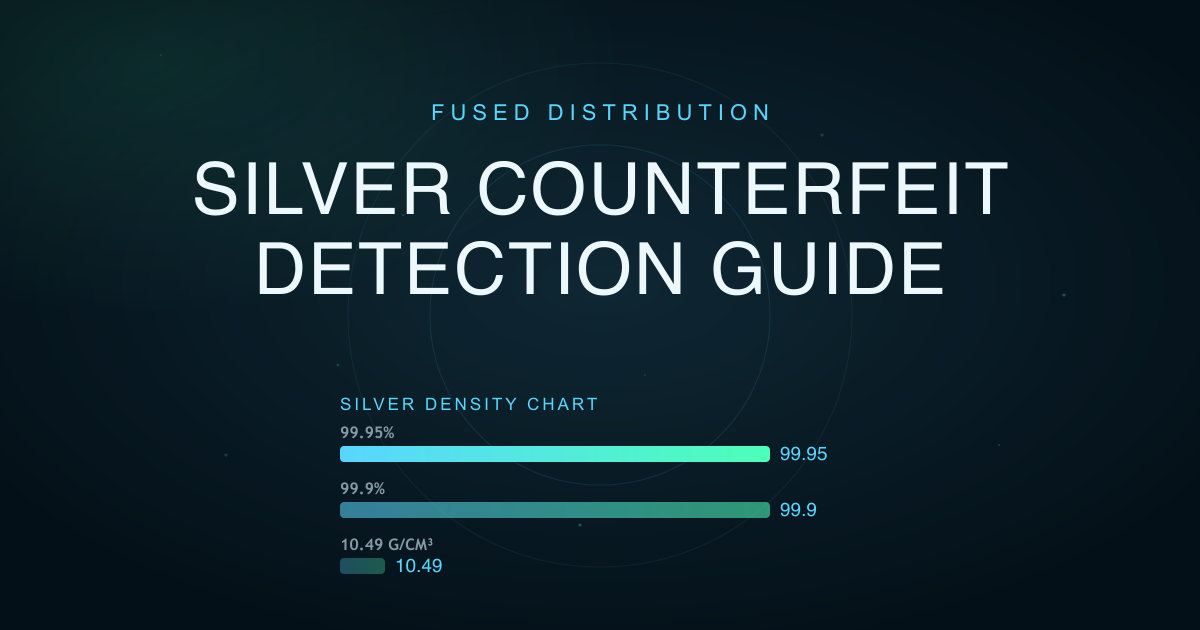
One of the most reliable methods involves checking the weight and density of the silver bars. Genuine silver bars consistently maintain a specific density, typically around 10.49 grams per cubic centimeter (g/cm³). Counterfeit bars often exhibit inconsistencies in weight or density measurements. You can perform a simple density test yourself: measure the bar’s weight accurately and then measure its volume by submerging it in water. Calculate the density (weight / volume) - a significant deviation from the standard indicates a potential problem. This simple check can save you from costly mistakes.
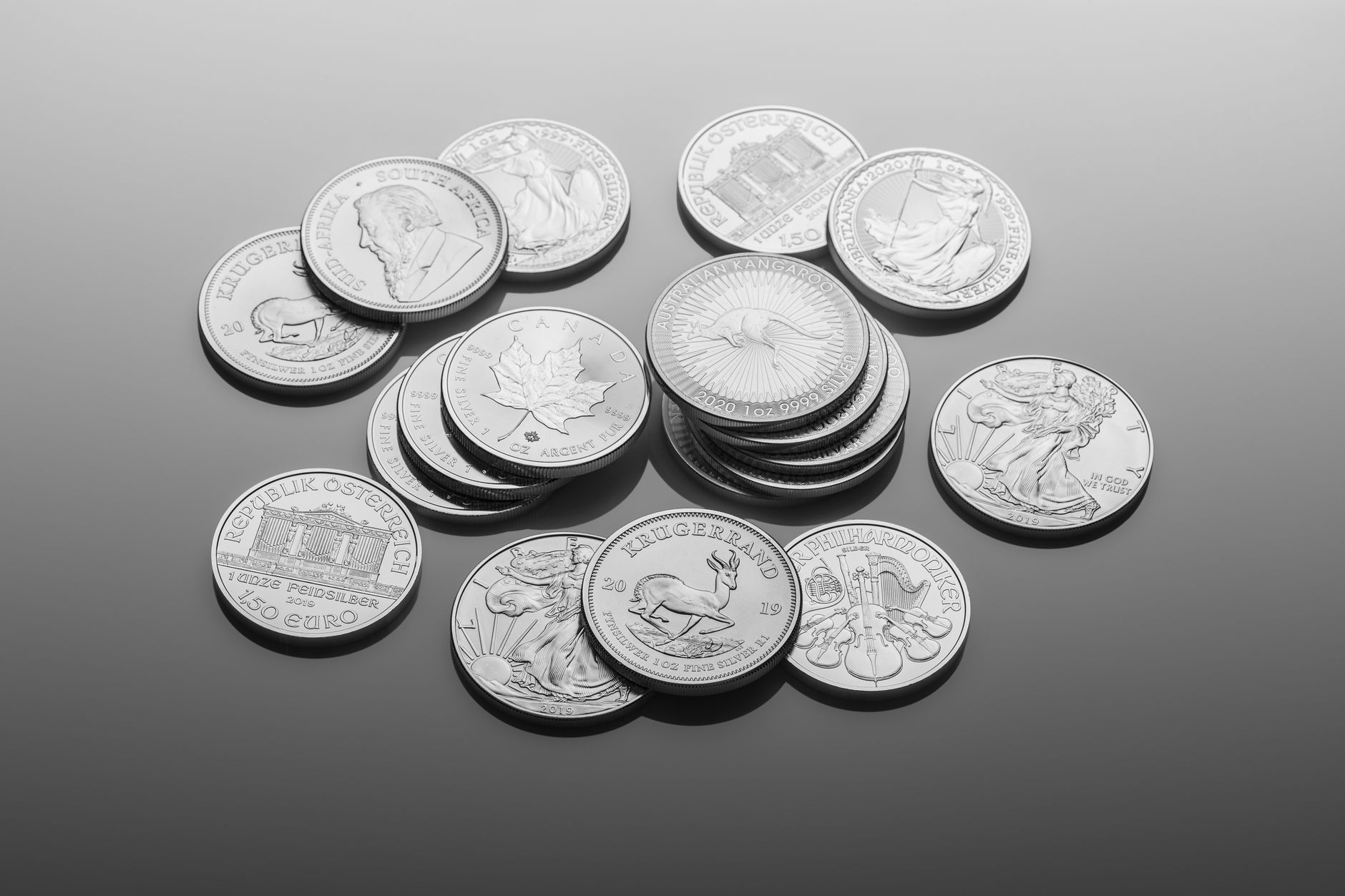
Look closely at the markings on the bar. Examine the mint marks, the lettering, and the overall design. These details matter immensely. Inconsistencies in font style, spacing, or alignment are strong indicators of a fake. For example, a slightly off-center mint mark or a font that doesn’t match the established standards for that particular mint can be a warning sign. A reputable dealer will have meticulously maintained these details.
Checking Purity and Mint Marks for Authenticity
Beyond visual inspection, understanding purity testing is crucial. Silver purity is expressed as a percentage - 99.9% is considered pure silver. Most bars you’ll encounter are .999 fine silver, meaning they contain 99.9% pure silver. However, some bars may be .9995 fine silver, offering even higher purity. Assaying, a lab test, is the only definitive way to verify silver purity levels. Visual inspection isn’t enough for serious checks. You can find reliable verification resources through reputable precious metals dealers and assay offices. For instance, a reputable dealer will provide a certificate of authenticity from a third-party assaying service.
Let’s go deeper into the specifics of examining mint marks. Genuine silver bars feature distinct mint marks that identify the mint where the silver was initially produced. These marks are precisely placed and consistently rendered. Inconsistencies in the font, spacing, or alignment of the mint mark are a significant red flag. For example, a slightly tilted or unevenly spaced mint mark compared to historical examples suggests a counterfeit. Research the specific mint mark to understand its proper appearance. A mint mark that deviates significantly from the established standard should immediately raise suspicion.
You must understand assaying versus visual inspection. Visual checks aren’t enough for proof. Genuine silver purity levels need lab verification. The process of assaying involves a trained professional using specialized equipment to determine the silver content of a sample. This provides a scientifically accurate assessment of purity, unlike a simple visual inspection. Labs provide solid proof. Demand proof of the silver’s origin. Counterfeiters don’t usually share supply chain details.
The Role of Third-Party Verification Services
Don’t trust a single source for authentication. Third-party verification services offer an extra layer of security and peace of mind. These services thoroughly examine the physical characteristics of the silver, including weight, density, and markings. They check for weight and density consistency - genuine silver bars maintain a steady density. Counterfeits often show inconsistent weight. They also scrutinize the markings on the bar, looking for any discrepancies in font, spacing, or alignment.
These services check for weight and density. Genuine silver bars have a steady density. Counterfeits often show inconsistent weight. They check the markings on the bar too. Look at the mint marks closely. See if the font or spacing looks off. A significant deviation in density or weight compared to the expected standard is a strong indicator of a counterfeit.
You must understand purity testing. Assaying is a lab process. It verifies the silver content. This is different from just looking at the surface. Real labs give you verifiable purity levels. Demand proof of the silver’s origin. Counterfeiters don’t usually share supply chain details. Third-party verification services often provide a detailed report outlining their findings, including the silver’s purity, weight, and any potential issues.
Don’t rely on one check. Use established verification resources. Compare results from a few places. Consultation is your best tool. Talk to experts who do the testing. This keeps your investment secure. For example, many reputable dealers partner with independent assay offices to provide independent verification of their silver bars. For more on this, see Silver In Ancient Civilizations As Currency.
Understanding the Silver Counterfeit Detection Guide Process
Let’s break down the process into actionable steps. First, check the weight and density of the silver. Genuine bars have consistent density. Counterfeits often have inconsistent weight or density measurements. You can spot these differences easily. For more on this, see How To Spot Fake Silver Coins And Bars.
Look at the markings closely. Examine the mint marks. See if the font, spacing, or alignment looks wrong. These details matter. They help you spot potential fakes.
Purity tests matter. Know the difference between visual checks and lab testing. Genuine silver purity levels need verification. You can find established labs to check this. A reputable dealer will provide a certificate of authenticity from a third-party assaying service.
Demand a clear source. Ask where the silver came from. Counterfeiters rarely offer this info. Transparency shows legitimacy. A transparent dealer will be able to provide documentation tracing the silver back to its original source.
Don’t rely on one thing. Use established verification resources. Don’t trust just one source. Check multiple places. You make the best decision this way. For example, you might compare the density of a silver bar from one dealer with the density of a similar bar from another dealer.
Final Steps Before Purchase
Before committing to a purchase, conduct a thorough assessment. Check the weight and density of the silver. Genuine bars have consistent density. Counterfeits often have inconsistent weight or density measurements. This check tells you a lot about what you’re holding.
Look at the markings closely. Examine the mint marks. See if the font, spacing, or alignment looks wrong. These details matter. They help you spot potential fakes.
Understand purity testing. Assaying is different from simple visual inspection. Genuine silver purity levels need lab verification. You can find established labs to check this. A reputable dealer will provide a certificate of authenticity from a third-party assaying service.
Ask about the source. Demand clear documentation on where the silver came from. Counterfeiters rarely offer this info. Transparency matters here.
Get advice. Use established verification resources. Don’t trust just one source for this check. Fused Distribution offers a clear path forward. We stock only verified silver and recommend a layered approach to authentication.
Stop guessing about premiums. Reserve your silver straightforwardly at our reserve page.
Resources for Verification:
- Professional Coin Grading Service (PCGS): https://www.pcgs.com/ - Offers authentication and grading services.
- American Numismatic Association (ANA): https://www.money.org/ - Provides resources and information on coin and precious metal authentication.
- Reputable Precious Metals Dealers: Fused Distribution (https://www.fuseddistribution.com/) and other established dealers often provide independent verification services.
Related
- How To Spot Fake Silver Coins And Bars
- Silver In Ancient Civilizations As Currency
- Silver Price All-Time Highs: What Drove Them
Read next: How To Spot Fake Silver Coins And Bars