Are you considering investing in silver coins or bars, but worried about getting scammed? You’re not alone. The market is flooded with counterfeit products, making it crucial to know how to identify genuine silver. At Fused Distribution, we stock a wide selection of authentic silver, and we recommend a careful, methodical approach to ensure you’re getting the real deal. We understand that navigating the world of precious metals can be confusing, so we’ve created this guide to help you confidently build a physical silver reserve, free from dealer markups and unnecessary premiums. Let’s break down the key steps to spotting fake silver coins and bars.
Understanding Silver Purity Standards
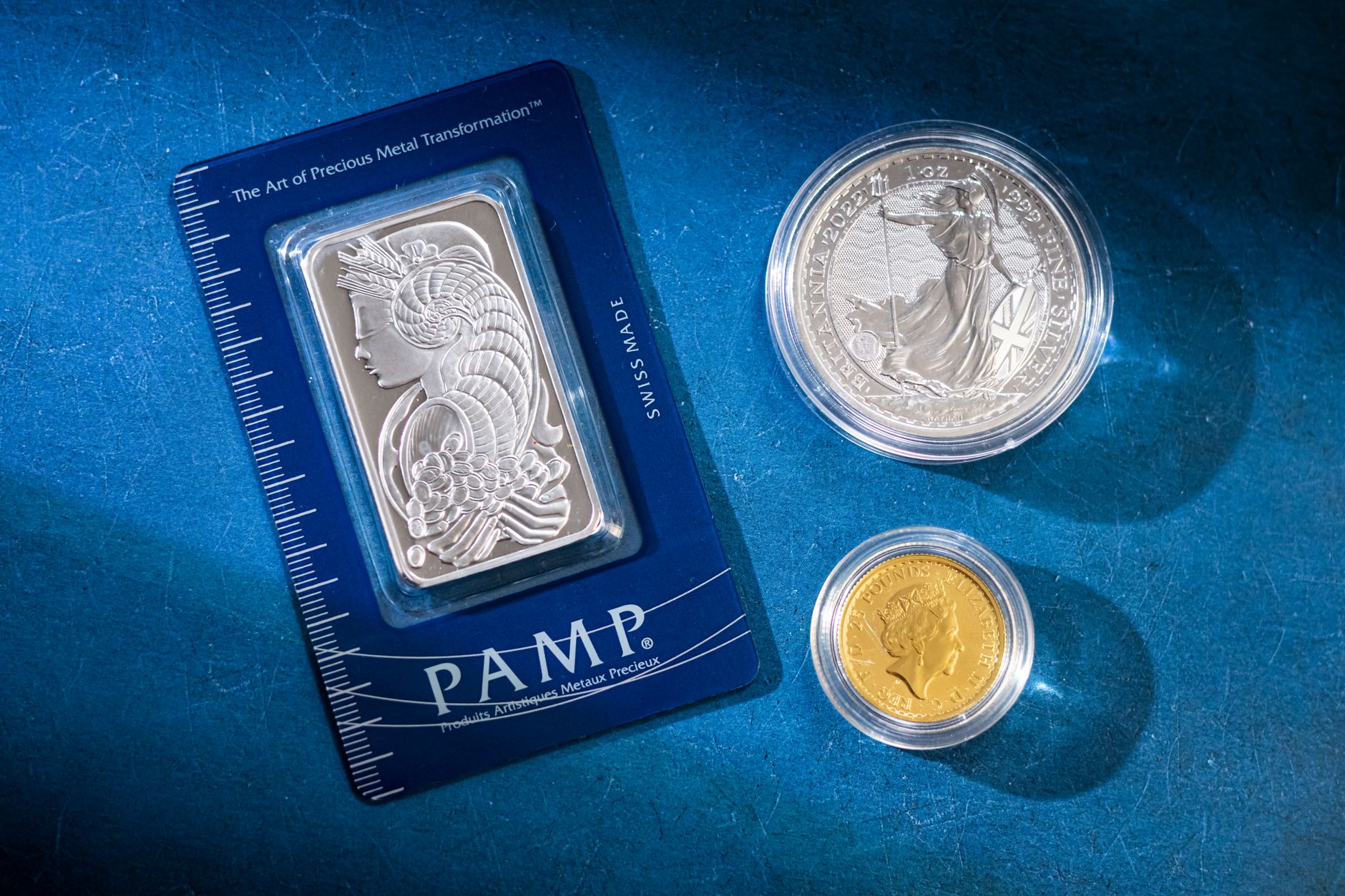
Silver purity is expressed as a percentage, with .999 being pure silver and .9999 being nearly pure. However, simply seeing a number on a coin or bar isn’t enough. You need to understand what that number means and how it relates to the item you’re examining. Official mint marks, like the “S” for Silver Eagle or the “W” for West Point, are vital indicators of authenticity. These marks are stamped directly onto the coin by the U.S. Mint or other reputable mints. Look closely - inconsistent or poorly struck mint marks are a major red flag. Also, the engraving should be sharp and well-defined, not blurry or worn. A poorly executed engraving suggests a lower quality product, potentially a fake.
Comparing Purity Ratings to Spot Fakes
The purity stamp on a silver bar is your first line of defense. It’s crucial to verify that the percentage matches the coin or bar’s description. For example, a .999 fine silver bar should feel solid and have a consistent weight. A bar claiming to be .999 fine silver but feels lighter than expected is a strong indicator of a counterfeit. Density is a key factor here. Density is calculated by dividing the weight of an object by its volume. A genuine silver bar will have a density of approximately 10.49 grams per cubic centimeter. If the bar feels unusually light for its size, it could be filled with a cheaper metal alloy. Also, the color of the silver should be a consistent, bright silver - not a dull gray or a yellowish tinge. Alloys often introduce discoloration.
Physical Checks for Fake Silver Coins
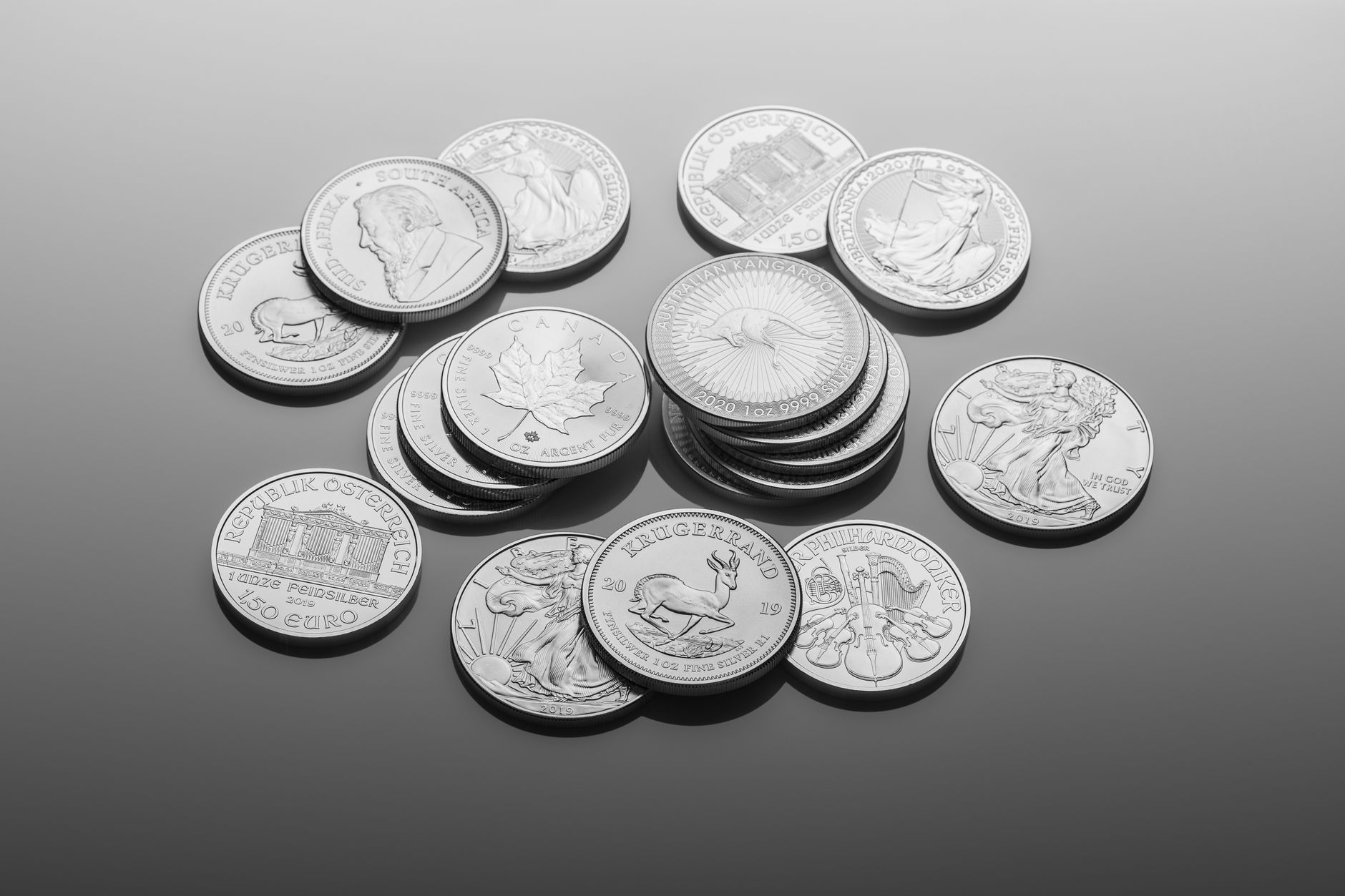
Let’s get practical. Examining the physical characteristics of a silver coin is essential. Start with the weight. U.S. Silver Eagles, for instance, have a standard weight of 31.103 grams. Weigh your coin using a calibrated digital scale. Any deviation from this weight - even a small one - warrants further investigation. A slight weight difference could indicate that the coin is filled with a less valuable metal. The surface of the coin is another critical area to assess. Genuine silver has a distinctive luster known as “mirror-like” or “silvery-white.” Fakes often have a dull, tarnished, or uneven surface. Look for areas where the surface appears to be artificially polished - this is a common tactic used by counterfeiters. Examine the edges - genuine silver edges are typically sharp and well-defined. Rounded or worn edges suggest wear and tear, but also potentially a lower-quality silver. Finally, check for mixed metals. Sometimes, counterfeiters will attempt to pass off a fake silver coin by layering a cheaper metal beneath the surface.
Identifying Inconsistencies in Silver Bars
Silver bars, particularly those sold in bulk, are prime targets for counterfeiting. The first thing to check is the weight. A standard one-ounce silver bar should weigh approximately 31.103 grams. Use a precise digital scale to verify the weight. If the bar feels lighter than expected, it’s a major warning sign. Beyond weight, density is crucial. A genuine silver bar will have a density of approximately 10.49 grams per cubic centimeter. You can determine the volume of the bar using water displacement - a simple and effective method. If the density is significantly lower than expected, it indicates the presence of a cheaper metal alloy. The surface of the bar should also be examined closely. Look for imperfections, uneven surfaces, or signs of artificial polishing. Unlike coins, bars often have a more pronounced surface texture. Check for any discoloration or pitting, which can indicate the presence of impurities. Also, examine the markings on the bar. While mint marks are helpful, they should be crisp, clear, and consistent across the entire surface. Any irregularities or inconsistencies in the markings are a strong indicator of a fake. We recommend buying from distributors who provide detailed certificates of authenticity, providing an extra layer of assurance. For more on this, see Silver In Ancient Civilizations As Currency.
Examining Alloy Signs
Silver is rarely found in its pure form. It’s almost always alloyed with other metals to increase its durability and resistance to tarnish. The type of alloy used can provide clues about the authenticity of a silver coin or bar. For example, silver coins often contain a small amount of copper, which gives them a reddish-brown color. Bars may contain zinc or nickel, which can affect the color and luster. A genuine silver coin will have a characteristic silver color, while a fake may have a different hue. If you observe a significant color shift or discoloration, it’s a strong indication that the silver is not pure. The color of the silver should be a consistent, bright silver - not a dull gray or a yellowish tinge. Alloys often introduce discoloration. For more on this, see Silver Price All-Time Highs: What Drove Them.
Where to Buy Silver with Confidence
Choosing a reputable seller is essential when investing in silver. Don't rely solely on a single vendor's word. Look for established distributors who have a proven track record of selling authentic silver. These distributors typically provide detailed documentation, including certificates of authenticity and assay reports. Assay reports verify the purity of the silver and provide information about the alloy composition. We at Fused Distribution pride ourselves on transparency and providing our customers with the highest quality silver. We stock a wide selection of genuine silver coins and bars, and we are committed to ensuring that our customers receive authentic products. Buying from a distributor that provides documentation - like assay reports - is a crucial step in building confidence and protecting your investment. Don’t hesitate to ask questions and request proof of authenticity. Remember, a little due diligence can save you a significant amount of money and frustration.
Comparing Purity Ratings to Spot Fakes
Let's revisit the importance of comparing purity ratings to the physical characteristics of the silver. A coin or bar with a .999 purity stamp should feel solid and have a consistent weight. If the weight is significantly lower than expected, it’s a strong indicator of a counterfeit. Density is a key factor here. Density is calculated by dividing the weight of an object by its volume. A genuine silver bar will have a density of approximately 10.49 grams per cubic centimeter. If the bar feels unusually light for its size, it could be filled with a cheaper metal alloy. Also, the color of the silver should be a consistent, bright silver - not a dull gray or a yellowish tinge. Alloys often introduce discoloration. It's also important to examine the markings on the coin or bar. While mint marks are helpful, they should be crisp, clear, and consistent across the entire surface. Any irregularities or inconsistencies in the markings are a strong indicator of a fake. Buying from a distributor who provides detailed certificates of authenticity, providing an extra layer of assurance.
Ready to reserve your silver with confidence? Visit our reserve page today: https://www.fuseddistribution.com/reserve/ Stop guessing about premiums and secure your silver investment with a straightforward, transparent process.
Related
- Silver In Ancient Civilizations As Currency
- Silver Price All-Time Highs: What Drove Them
- The Hunt Brothers Silver Squeeze Of 1980
Read next: Silver In Ancient Civilizations As Currency