Understanding the difference between the spot price and the premium you pay for silver is crucial for any investor. It’s a surprisingly complex topic, often shrouded in dealer markup and confusing pricing structures. You don’t need to be a financial wizard to make informed decisions about buying silver. At Fused Distribution, we stock a wide range of physical silver bullion and we recommend a straightforward approach to building your reserves. We cut out the dealer games and offer simple, direct pricing. This article breaks down exactly what the premium is, how it affects your purchase, and where to find transparent pricing - so you can confidently invest in silver. Reserve your first step at our reserve page.

What is the Spot Price?
The spot price represents the current market value of one troy ounce of silver. You’ll find this price quoted on major financial exchanges like the London Platinum and Palladium Market (LPPM) and the New York Mercantile Exchange (NYMEX). It’s the baseline price - the raw cost of the metal itself, without any added fees or markups. As of November 2nd, 2023, the spot price for silver was $23.78 per ounce. It’s the number you should always start with when evaluating your silver investment.
What is the Silver Premium?
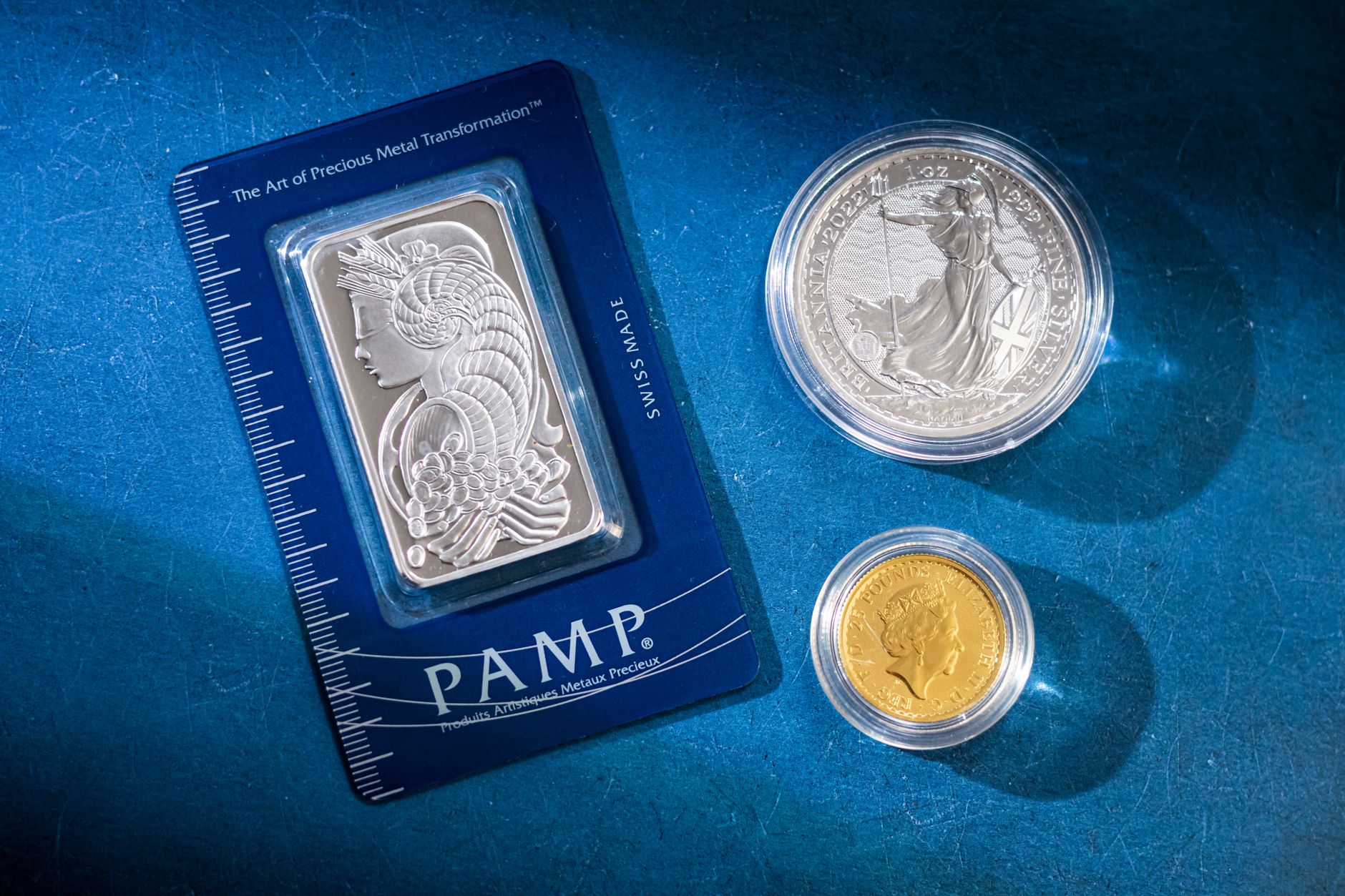
The silver premium is the additional cost you pay above the spot price to acquire physical silver. This premium covers a seller’s operating expenses, including storage, insurance, handling fees, and, crucially, their profit margin. It’s important to understand that premiums aren’t a reflection of the silver’s intrinsic value; they are a cost of doing business. The premium can vary significantly depending on the form of silver you’re purchasing - coins, bars, rounds - and the retailer you choose. A typical premium on a one-ounce American Eagle coin, for example, might be around $3 to $5. This means you’d pay $27 to $28 for that coin, instead of the $23.78 spot price.
How Do Premiums Affect Your Purchase?
The premium directly impacts the total cost of your silver investment. Let’s illustrate with an example: If the spot price is $23.78 per ounce and you purchase a one-ounce American Eagle coin with a $4.00 premium, your total cost is $27.78 per ounce. That’s a 16.3% premium added to the spot price. Understanding this difference is vital for calculating your return on investment. A high premium means a lower net profit when you eventually sell your silver. It’s not just about the metal’s value; it’s about the total cost you’re paying.
Comparing Premium Structures
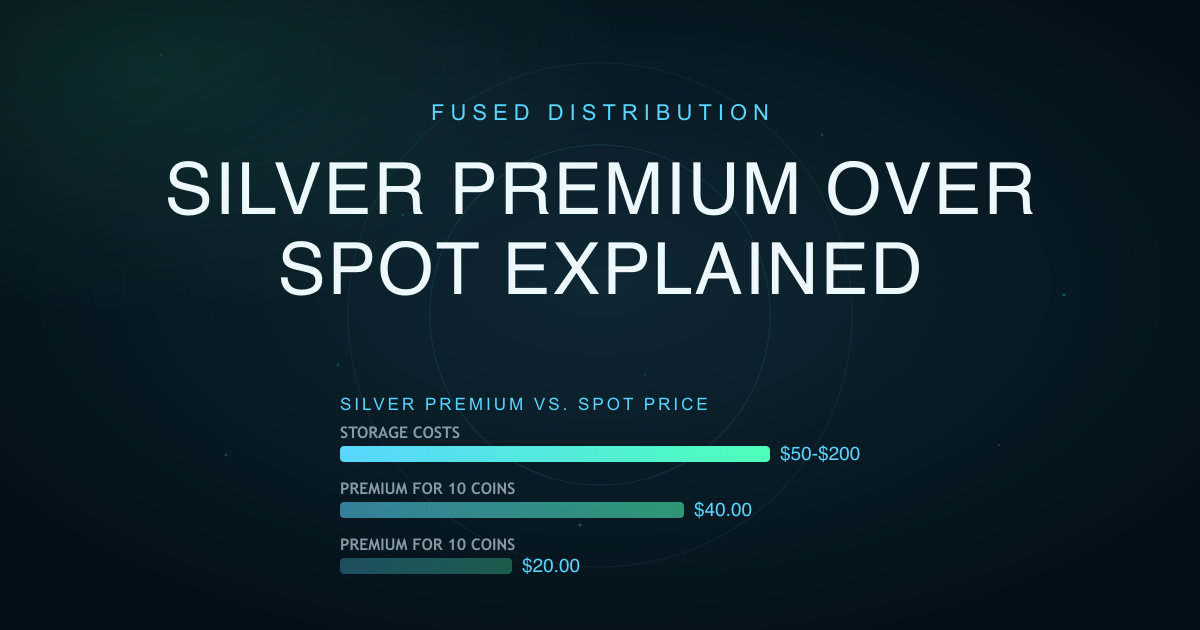
Different retailers offer different premium structures. Some charge a fixed premium, while others use a percentage-based markup. A fixed premium might be $2 per ounce, while a percentage-based markup could be 5%. The best approach is to compare premiums across multiple dealers to find the most competitive price. Don’t just look at the price per ounce; consider the total cost for the quantity you’re buying. For instance, purchasing 10 one-ounce coins with a $4.00 premium each would cost $40.00 in premiums alone, adding significantly to the overall expense. Conversely, purchasing the same 10 coins from a retailer with a lower premium would save you $20.00.
Where to Find Transparent Pricing
Transparency is key when investing in silver. Reputable dealers will clearly display the spot price and the premium they are charging. Beware of dealers who don’t disclose their pricing structure or who use vague terms like “dealer markup.” Look for a breakdown of all costs involved, including any handling fees or shipping charges. At Fused Distribution, we pride ourselves on our straightforward pricing - you’ll always know exactly what you’re paying for. We believe in honesty and clarity, so you can make informed decisions without guesswork. We also offer a price match guarantee, ensuring you get the best possible deal.
The Role of Supply and Demand in Premiums
The price of silver, and therefore the premium, is heavily influenced by supply and demand. When demand for silver increases - driven by investment demand, industrial applications, or geopolitical uncertainty - the spot price rises, and premiums tend to increase as well. Conversely, when supply exceeds demand, the spot price falls, and premiums typically decrease. As of October 26th, 2023, global silver mine production was approximately 330 metric tons. This supply figure, combined with fluctuating demand, directly impacts the premium you’ll encounter. Keep an eye on market trends and economic indicators to anticipate potential premium fluctuations.
Factors Beyond the Spot Price: Storage and Insurance
While the spot price and premium are the primary drivers of silver costs, other factors can also influence your overall investment. Storage costs - whether you’re storing your silver at home or using a secure vault - can add up over time. Insurance coverage for your silver is also essential to protect against theft or loss. These costs are not included in the spot price or premium, but they represent a significant portion of the total cost of ownership. Consider these factors when planning your silver investment strategy. A recent survey indicated that average annual storage costs for a small silver collection ranged from $50 to $200, depending on the storage method.
Understanding Dealer Markups - More Than Just a Premium
It’s important to differentiate between the silver premium and dealer markup. The premium is the seller’s cost to provide the silver - storage, insurance, handling, and profit. Dealer markup is an additional profit margin that the dealer adds on top of the premium. Some dealers may have higher markups than others. Always compare dealer markups to ensure you’re getting a fair price. A dealer markup of 10% on top of the premium would effectively increase the total cost of your silver investment. Look for dealers who are transparent about their markup structure.
A Practical Example: Calculating Your Total Cost
Let’s say you want to purchase 10 one-ounce American Eagle coins. The spot price is $23.78 per ounce. You find a dealer offering a premium of $4.50 per coin.
- Spot Price per Coin: $23.78
- Premium per Coin: $4.50
- Total Cost per Coin: $28.28
- Total Cost for 10 Coins: $282.80
This illustrates how the premium significantly impacts the overall cost of your investment. If the dealer offered a premium of $3.50 per coin, your total cost would have been $27.28 per coin, and $272.80 for 10 coins - a savings of $10.00.
Your Next Step: Reserve Your Silver Today
Investing in silver can be a smart way to diversify your portfolio and protect against inflation. At Fused Distribution, we make the process simple and transparent. We stock a wide selection of physical silver bullion, from coins to bars, and we offer competitive pricing and direct delivery. Don’t get caught up in dealer markup games and confusing premiums. Reserve your first step at our reserve page now and take control of your silver investment. We believe in empowering you with the knowledge and resources you need to make confident decisions. Let us help you build a secure and profitable silver reserve. We’re here to support you every step of the way.
Related
- Troy Ounce Vs Regular Ounce Silver Explained
- PCGS and NGC Certified Silver Coins: Your Guide to Smart Investing
- How To Verify Silver Purity At Home
Read next: Troy Ounce Vs Regular Ounce Silver Explained