Are you investing in silver and wondering if you need to report your sales to the IRS? It’s a common question, and understanding the rules is crucial to avoid potential issues. At Fused Distribution, we stock a wide range of silver bullion and precious metals, and we understand the complexities of ownership. We’re here to break down the silver IRS reporting requirements, ensuring you have the clarity you need to manage your investments confidently. We focus on clear pricing and simple processes, so you can skip the dealer markup games and confusing premiums. Let’s get started.

Understanding Why Silver Reporting Matters
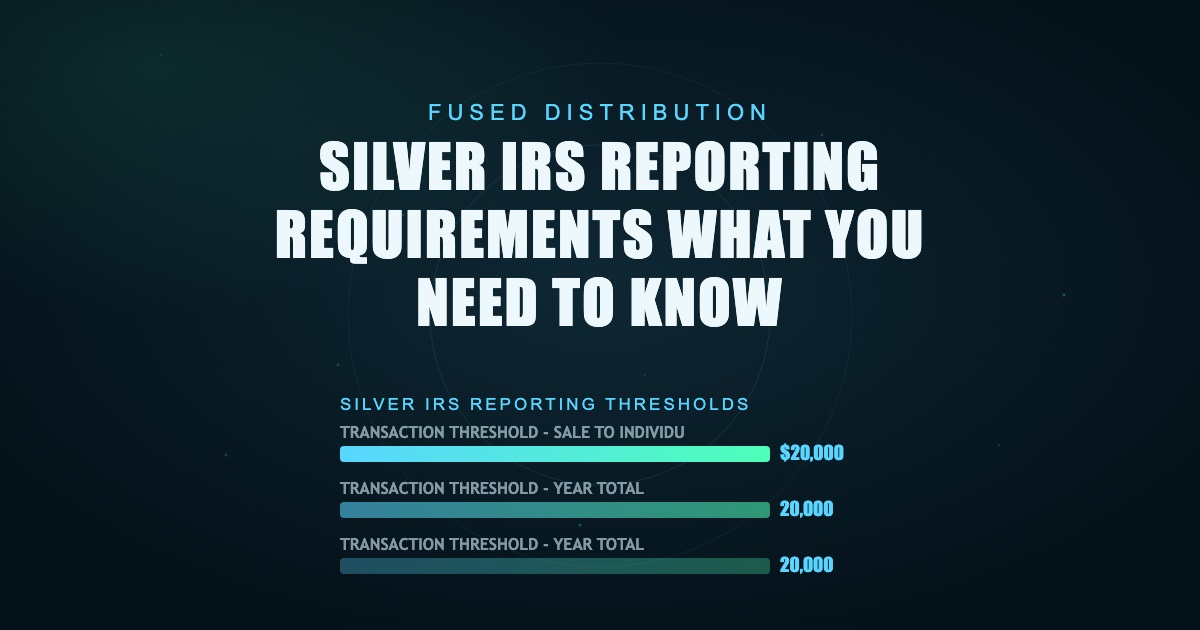
The IRS requires reporting of certain transactions involving precious metals, including silver. This isn’t about punishing investors; it’s about ensuring tax compliance and preventing potential fraud. The rules are designed to track the movement of wealth and ensure that all income is properly accounted for. Specifically, the IRS wants to know when you sell silver for a profit, which is considered taxable income. Failing to report these transactions can lead to penalties and interest. The threshold for reporting depends on the size of the transaction. Generally, if you sell silver for more than $10,000 in a single transaction, or $20,000 over the course of a year, you’re required to report it. This includes sales to dealers, collectors, or individuals. It’s a significant responsibility, but with the right information, it’s manageable. We recommend keeping meticulous records of all your silver purchases and sales.
Form 1099-K: The Key to Reporting
One of the most common triggers for silver reporting is Form 1099-K. This form is issued by payment processors like PayPal, Venmo, and Cash App when you sell silver through these platforms. The 1099-K reports gross payment transactions exceeding $20,000 and more than 200 transactions during a calendar year. While many silver buyers don’t use these platforms, it's important to be aware of the form’s potential impact. If you sell silver through a platform that issues 1099-Ks, you'll likely receive one, even if you don't owe any taxes. The form provides the details of the transaction, including the seller's name and the payment amount. You’ll need to include this information on your tax return. The IRS has stated that they are increasing their scrutiny of 1099-K reporting, so it’s vital to be prepared. According to the IRS, in 2023, over 30 million businesses received 1099-K forms, demonstrating the widespread use of these platforms for small transactions.

The Core Silver IRS Reporting Requirements
Let’s break down the specific requirements. You need to track your silver purchases and sales accurately. Certain sales volumes trigger reporting rules. You’ll need to check specific sales types. Form 1099-K might apply to your silver transactions. You must keep clear records of every sale. Good documentation makes tax season much simpler for you. The IRS considers any sale of silver - whether it’s to a dealer, another investor, or even a private individual - as a taxable event. This includes bar silver, bullion, coins, and any other form of silver investment. The key is to document the transaction thoroughly. We have tools to help you track your transactions, but ultimately, you are responsible for maintaining accurate records. Remember, the IRS wants to see proof of the sale, including invoices and receipts.
What Documents You Need to Keep for Reporting
Maintaining proper documentation is essential. Understand when your silver sales trigger reporting. Volume matters here. Certain sale types require specific documentation. Think about large purchases. These events set a flag for tax reporting. Specifically, you need to keep detailed records of each transaction. This includes the date of the sale, the type of silver sold (e.g., bullion, coins), the quantity sold, the price paid, and the name and address of the buyer. Receipts and invoices are essential. If you sell silver through a platform like PayPal, retain a copy of the transaction confirmation. If you sell privately, obtain a signed sales agreement and a copy of the payment received. The IRS emphasizes the importance of supporting documentation. They want to see that you can substantiate the value of your silver holdings. According to the IRS, the average tax preparation cost for individuals is $268, highlighting the value of accurate record-keeping. Also, if you’re holding silver as a long-term investment, you may be able to deduct certain expenses related to its storage and insurance, but you'll need to provide documentation to support these deductions.
Navigating Silver IRS Reporting Form 1099-K
Navigating Silver IRS Reporting Form 1099-K. You need to understand reporting. Certain sales trigger obligations. Think about transaction volume. Certain sale types require specific documentation. Form 1099-K applies to certain payments. This includes sales of commodities. Keep clear records. You must document transaction details. This proves the sale happened. The 1099-K form is a critical piece of the reporting puzzle. It’s not just a receipt; it’s a record of the transaction that the IRS uses to verify your reporting. If you receive a 1099-K, you’ll need to report the information on Schedule C of your Form 1040. Schedule C is used to report income and expenses from self-employment or business activities. If you don’t receive a 1099-K, you’re still responsible for reporting your silver sales. You’ll need to track the sales yourself and provide documentation to the IRS if requested. We recommend using a spreadsheet or accounting software to track your transactions. The IRS estimates that over 25 million small businesses receive 1099-K forms annually, demonstrating the prevalence of this reporting requirement. For more on this, see How To Get The Most Money When Selling Silver.
Next Steps After Your First Silver Purchase
After you buy your first silver purchase, you need to keep good records. Understand when sales might trigger reporting. Check your transaction volume and the type of asset you sell. This tells you if you have a reporting obligation. Start a system for tracking your silver purchases and sales. This could be a simple spreadsheet or a more sophisticated accounting program. Record the date of purchase, the quantity of silver, the price paid, and the source of the purchase. As you sell silver, record the date of sale, the quantity sold, the price received, and the buyer’s information. Keep all receipts and invoices. Don’t wait until tax season to start organizing your records. Proactive record-keeping will save you time and stress. You don’t need complex systems. Keep simple receipts and transaction logs. Fused Distribution has tools to help you track this. Check out our resources for clear guidance.
Stop guessing about premiums. Reserve your silver straightforwardly at our reserve page.
Resources for Further Information:
- IRS Publication 550: Taxable and Nontaxable Transactions
https://www.irs.gov/publications/p550
- IRS Form 1099-K: https://www.irs.gov/form1099k
We at Fused Distribution are committed to providing you with the knowledge and resources you need to confidently invest in silver. We offer straightforward pricing and simple processes, so you can focus on building your precious metals reserve. Ready to take the next step? Visit our reserve page today.