Are you considering buying silver as an investment? You’re likely wrestling with a key question: Should you sell your silver to a dealer, or explore a private sale? The truth is, both options have pros and cons. At Fused Distribution, we understand the complexities involved and we’re here to cut through the confusion. We stock a wide range of silver bullion and coins, and we recommend a strategic approach to building your precious metals reserve. Let’s break down the differences between these two paths, so you can make the best decision for your financial goals.
Dealer Sales: Understanding the Premium Structure
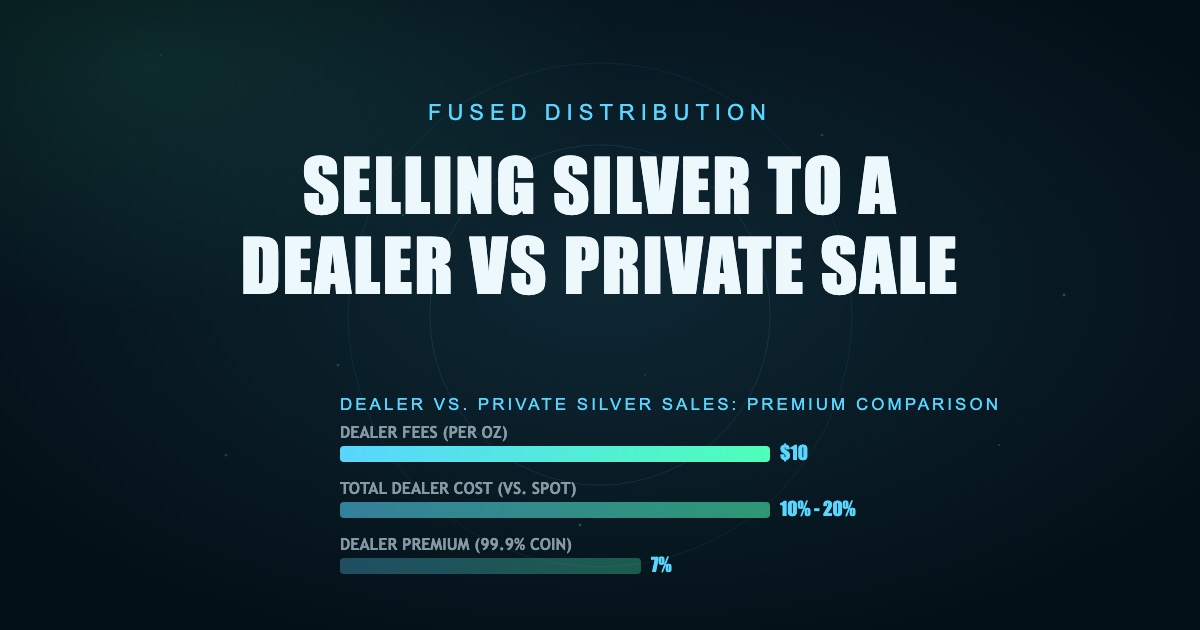
Dealers offer a convenient way to sell your silver, but it’s crucial to understand the fees involved. Dealers add a premium to their purchase price - this isn’t always immediately obvious. You need to carefully examine the final cost, not just the sticker price. Ask for a detailed breakdown of their premium structure. What does that premium actually cover? It might include assaying fees, handling charges, and a profit margin. Typically, you'll see a premium of 5% to 15% above the spot price, but this can vary significantly depending on the dealer and the type of silver you're selling. For example, a dealer might charge a 7% premium on a 99.9% pure silver coin, resulting in a higher selling price than the current market value. This markup is a standard practice, but it’s important to be aware of it.
Also, dealers often charge various fees beyond the premium. These can include administrative costs - sometimes as much as $10 per ounce - and handling charges, which can range from $5 to $15 per ounce. Insurance costs may also be factored in, depending on the dealer’s policies. Know exactly what these fees mean before you agree to the sale. Dealers operate on volume, and these fees contribute to their profitability. You'll want to compare fees across different dealers to ensure you're getting a fair price.
You relinquish control of the transaction when selling to a dealer. They dictate the terms, including the price and the payment method. You don’t have the opportunity to negotiate directly. This can feel a bit impersonal. However, it’s a relatively quick and straightforward process.
Private Sale: Direct Contact and Transparency
A private sale offers a significantly different experience. When you sell your silver privately, you take control of the entire transaction. You set the terms directly with the buyer - the price, the payment method, and the delivery method. This removes the middleman's influence and potential for hidden costs. You talk to the buyer directly, building a relationship and ensuring both parties are comfortable with the agreement.
This approach eliminates dealer markups entirely. You aren’t paying a premium on top of the spot price. Instead, you negotiate a price based on the current market value, considering factors like purity, condition, and demand. You can verify the silver purity yourself, ensuring you receive the agreed-upon value. You might even arrange for an independent assay to confirm the silver content. A private sale allows you to build trust with the buyer, fostering a more transparent and mutually beneficial transaction.
The process of a private sale can take longer than selling to a dealer, as you need to find a suitable buyer. However, the potential for a higher return on your investment can be significant. You’re not constrained by a dealer’s pricing structure. You have the freedom to negotiate and secure the best possible price. For instance, if you have a large quantity of silver, you might be able to negotiate a better price through a private sale than you could through a dealer. The average premium charged by dealers on silver bullion typically ranges from 5% to 10%, while private sales can sometimes yield a premium of 3% to 7%, depending on market conditions and the buyer’s willingness to pay.
Comparing Costs: Hidden Fees in Dealer Transactions
Let’s go deeper into the potential hidden costs associated with dealer transactions. Dealers add a premium to their purchase price, and this markup isn't always transparent. You need to request a detailed breakdown of all fees before committing to a sale. This breakdown should clearly outline the assaying fees, handling charges, insurance costs, and any other associated expenses. Don’t just accept the initial price; ask for a complete cost analysis.
When you sell to a dealer, you hand over control of the transaction. They set the terms for the sale, and you don’t have the opportunity to negotiate. You need to understand their transaction fees, which can include administrative costs and handling charges. These fees can add up quickly, especially if you’re selling a large quantity of silver. For example, a dealer might charge a $15 handling fee per ounce, significantly reducing the profit you receive. For more on this, see Best Places To Sell Silver Coins In 2026.
You retain control with a private sale. You set the terms directly with the buyer, avoiding dealer markups entirely. You can verify the silver purity yourself, ensuring you receive the agreed-upon value. You might even request a third-party assay to confirm the silver content. This provides peace of mind and ensures you’re getting a fair price. A private sale allows you to compare fees across different buyers, maximizing your potential return. The total cost of a dealer transaction, including all fees, can easily exceed the spot price by 10% to 20%, while a private sale might only add a 3% to 7% premium.
The Trust Factor: Evaluating Dealer Legitimacy
Selling precious metals requires trust. You need to know who you’re dealing with. Dealers add a premium to their purchase price, and this markup isn’t always clear upfront. You need to see the actual cost, not just the sticker price. Don’t just accept the initial offer; investigate the dealer’s reputation and track record.
You control the entire transaction with a private sale. You set the terms directly with the buyer, removing the middleman guesswork. You decide the price, you decide the terms, and you decide the process. This fosters a more transparent and trustworthy relationship.
Dealers charge various fees - administrative costs and handling charges are common. Check what those fees cover. Always verify the silver purity first. Look for 99.99% silver content. Assess their track record. See if they have clear documentation on their sourcing and quality control procedures. This demonstrates how they manage their inventory and ensure the integrity of their products. A reputable dealer will be transparent about their sourcing and willing to provide documentation to verify the silver’s authenticity.
When to Choose Private Sale Over Dealer Buying
When you buy silver from a dealer, you pay a markup. Dealers add a premium to the price. This markup isn’t always clear upfront. You need to know what you’re actually paying for. You relinquish control of the transaction, relying on the dealer to set the terms.
A private sale lets you control everything. You set the terms with the buyer. You avoid dealer fees. These fees can include handling charges and insurance. You decide the process, ensuring it aligns with your needs and preferences.
Check the purity first. Always verify the silver content. Look at the dealer’s history. See if they have clear sourcing documentation. You assess their track record. A private sale can be particularly advantageous when you’re selling a large quantity of silver, as you can negotiate a better price with multiple potential buyers. The average dealer markup on silver bullion is approximately 7%, while a private sale could potentially yield a premium of 5% or less.
Stop guessing about premiums. Reserve your silver straightforwardly at our reserve page and build your physical reserve today.
Related
- Best Places To Sell Silver Coins In 2026
- How To Sell Silver For The Best Price
- Best Silver Storage Options For Investors
Read next: Best Places To Sell Silver Coins In 2026