Both physical silver and silver ETFs like SLV get taxed at the same federal long-term capital gains rate of up to 28%, because the IRS classifies both as collectibles. That is the headline most investors miss. The real differences live in short-term treatment, state sales tax, dealer reporting thresholds, and what happens when you actually sell. With silver trading at $61.70 per ounce on June 25, 2026 (Source: Kitco), the dollar gap between a 28% collectibles rate and the 15% to 20% rate stocks enjoy has never mattered more.
Here is what you need to know before your next purchase or sale.
The 28% Collectibles Rate Applies To Both
Most investors assume ETFs get stock treatment. They do not. The iShares Silver Trust (SLV) is structured as a grantor trust, so shareholders are treated as directly owning a pro rata share of the underlying silver and taxed as collectibles (Source: iShares Silver Trust 2024 Annual Report). When you sell SLV shares held longer than one year, your gain hits a maximum federal rate of 28%, the same ceiling that applies to a tube of Silver Eagles in your safe.
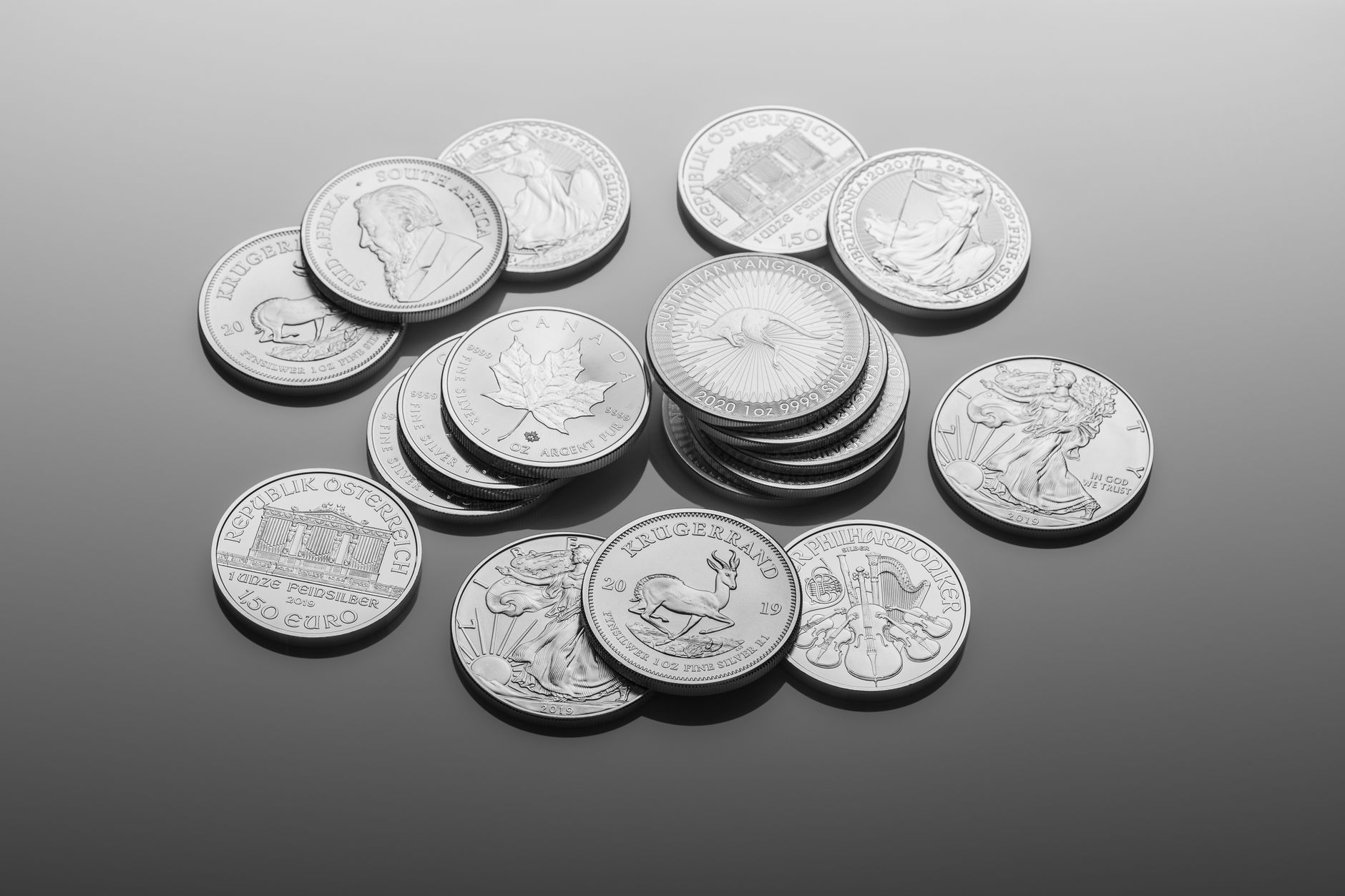
Compare that to a long-term gain on an S&P 500 ETF, which tops out at 20% for high earners and sits at 15% for most middle-income households. Long-term gains on collectibles, including physical silver and physically-backed silver ETFs, are capped at a 28% maximum federal tax rate versus 15% to 20% for stocks (Source: Kiplinger).
On a $10,000 long-term gain, that spread costs you $800 to $1,300 extra in federal tax. At today's $61.70 spot, a 162-ounce position bought near $40 produces roughly that gain. The collectibles rate is not theoretical anymore.
Short-Term Sales Get Hit Harder Than You Think
Hold silver for one year or less and the collectibles rules do not even apply. Short-term physical silver gains are taxed as ordinary income at rates up to 37% (Source: Investing News Network). Same goes for short-term SLV gains.
If you flip a 100-ounce bar after six months and pocket a $1,500 gain, that money lands on your tax return as regular income. A buyer in the 32% bracket owes $480. A buyer in the 12% bracket owes $180. The lesson is simple: silver is a position, not a trade. Hold past the one-year mark or expect to give back a third of your profit.
A practical script for your records: write down your purchase date the day the silver arrives, not the day you ordered it. The IRS uses the acquisition date, and a delivery delay can push you across the one-year line in either direction.
Where The ETF And Physical Tax Paths Actually Diverge
Federal collectibles treatment is identical, but four real differences change the math.
Cost basis tracking. SLV issues a Schedule K-1 style tax document each year that adjusts your basis for trust expenses sold to cover the 0.50% expense ratio. You owe tax on tiny silver sales the trust makes every month, even if you never sold a share. Physical silver has zero phantom basis adjustments. Your basis is what you paid, period.
Dealer reporting. Physical sales above certain thresholds trigger a 1099-B. Dealer 1099-B reporting is triggered on physical silver sales of 1,000 troy ounces or more of .999 fine bars in a single transaction (Source: JM Bullion). Sell 999 ounces in one ticket and no form gets filed. Sell 1,001 ounces and the IRS gets a copy. Brokerage SLV sales always generate a 1099-B regardless of size.
State sales tax on entry. Buying SLV shares carries no state sales tax. Buying physical silver may, depending on where you live. Washington state repealed its 40-year precious-metals sales tax exemption under ESSB 5794, imposing sales tax on bullion starting January 1, 2026 (Source: FindBullionPrices.com). Washington buyers now pay roughly 6.5% to 10.4% on top of spot and premium. On a $6,170 purchase of 100 ounces, that is $400 to $642 in tax at the register. SLV avoids this entirely.
Liquidity at sale. SLV sells in seconds at the bid. Physical silver sells when a dealer quotes you, often at spot minus a few percent. The tax bill arrives the same April either way, but the timing of when you can lock in the gain differs.
How To Calculate Your Actual After-Tax Return
Run the numbers before you buy, not after. Here is the formula we use with customers comparing a $10,000 physical purchase to a $10,000 SLV position, both held two years, both gaining 40%.
Physical silver path:
- Purchase: $10,000 ($9,200 silver, $800 premium and shipping)
- Washington sales tax at 9%: $900
- Total cost in: $10,900
- Sale at 40% gain on metal value: $12,880
- Gain: $1,980
- Federal tax at 28%: $554
- After-tax proceeds: $12,326
- Net return on cash out of pocket: 13.1%
SLV path:
- Purchase: $10,000 (no sales tax)
- Expense ratio drag over two years at 0.50%: roughly $100
- Sale at 40% gain: $13,900
- Gain: $3,900 (slightly inflated because no premium paid in)
- Federal tax at 28%: $1,092
- After-tax proceeds: $12,808
- Net return: 28.1%
The ETF wins on paper in this scenario, mostly because you skipped the premium and the sales tax. But the physical buyer holds metal that does not depend on a custodian, a brokerage, or a trust agreement. Pick your priority before you compare returns.
State Tax Is The Hidden Swing Factor
Federal rates are fixed. State rules are not. Forty-two states currently exempt some or all bullion purchases from sales tax, and the exemption thresholds vary wildly. Texas, Florida, and Ohio offer broad exemptions. California exempts purchases over $2,000. New Jersey just passed a full exemption in 2025.
Washington moved the other direction. If you live there or buy from a dealer with Washington presence, factor the new 2026 sales tax into every purchase. On large positions, the math may push you toward SLV for the initial accumulation phase and physical for the long-term hold once you can take delivery across state lines.
Check your state's department of revenue website before you buy. Rules change. The 1099-B threshold and the 28% federal rate do not, but state tax can move 8% of your purchase price in or out of your pocket.
Reporting Mistakes That Cost Real Money
Three errors show up over and over on customer questions.
First, forgetting that SLV generates taxable events you did not authorize. The trust sells silver monthly to pay expenses. Each sale creates a tiny capital gain or loss allocated to you. Your broker should handle this, but verify your 1099 matches the trust's annual tax reporting package.
Second, miscounting the 1,000-ounce threshold. The rule applies to .999 fine bars in standardized sizes, not to coins. American Silver Eagles, Canadian Maple Leafs, and most sovereign coins do not trigger 1099-B reporting at any quantity sold to a dealer. That changes how you structure a large liquidation.
Third, assuming home storage means no paper trail. The IRS does not care where you store metal. They care about the gain when you sell. Keep purchase invoices for at least seven years past the sale date.
What To Do With This Information
If you are buying for a one to three year horizon and live in a sales-tax state, SLV likely produces better after-tax returns. If you are building a five to twenty year position and want metal outside the financial system, physical wins despite the 28% rate and any local sales tax.
We stock American Silver Eagles, 10-ounce bars, and 100-ounce bars sized to keep you well under the 1,000-ounce 1099-B threshold per transaction. We recommend splitting large orders across multiple invoices when it makes sense for your reporting situation, and we recommend talking to a CPA before you sell any position over $10,000 in gains.
Pull your last brokerage statement, check your cost basis on any SLV shares, and decide whether your next ounce should come as a share or as metal in your hand. The tax code treats them as cousins. Your portfolio should not.
Related
- Physical Silver Vs Silver Etf Pros And Cons
- Silver Vs Gold Which Is Better Investment In 2026
- Self-Directed IRA for Silver: Step by Step
Read next: Physical Silver Vs Silver Etf Pros And Cons