You're looking at physical silver versus an ETF. Fused Distribution shows you the straight path. We cut out the dealer markups and confusing premiums. You get clear pricing. You get straightforward distribution. Reserve your first step today at /reserve/.

Physical Silver vs. Silver ETF: The Core Difference
Physical silver involves costs you need to see. You pay premiums for the metal. You also need a place to store it. This storage costs money. You get direct control over your silver. You decide where it sits. ETFs offer instant access. They trade easily on exchanges. They simplify buying and selling. You trade for a share. You don't own the physical metal. You need to check the tracking costs. Compare the expense ratios of the ETF. Know how premiums change the final price. You need to look at the liquidity. Physical silver takes time to sell. ETFs trade instantly. You need to decide what control you want. Control the physical bar. Or you want quick trading.
Understanding the Hidden Costs of Physical Silver
Physical silver has costs you need to see. You pay premiums when you buy physical bars. Storage needs to be secure. You must plan for those expenses.
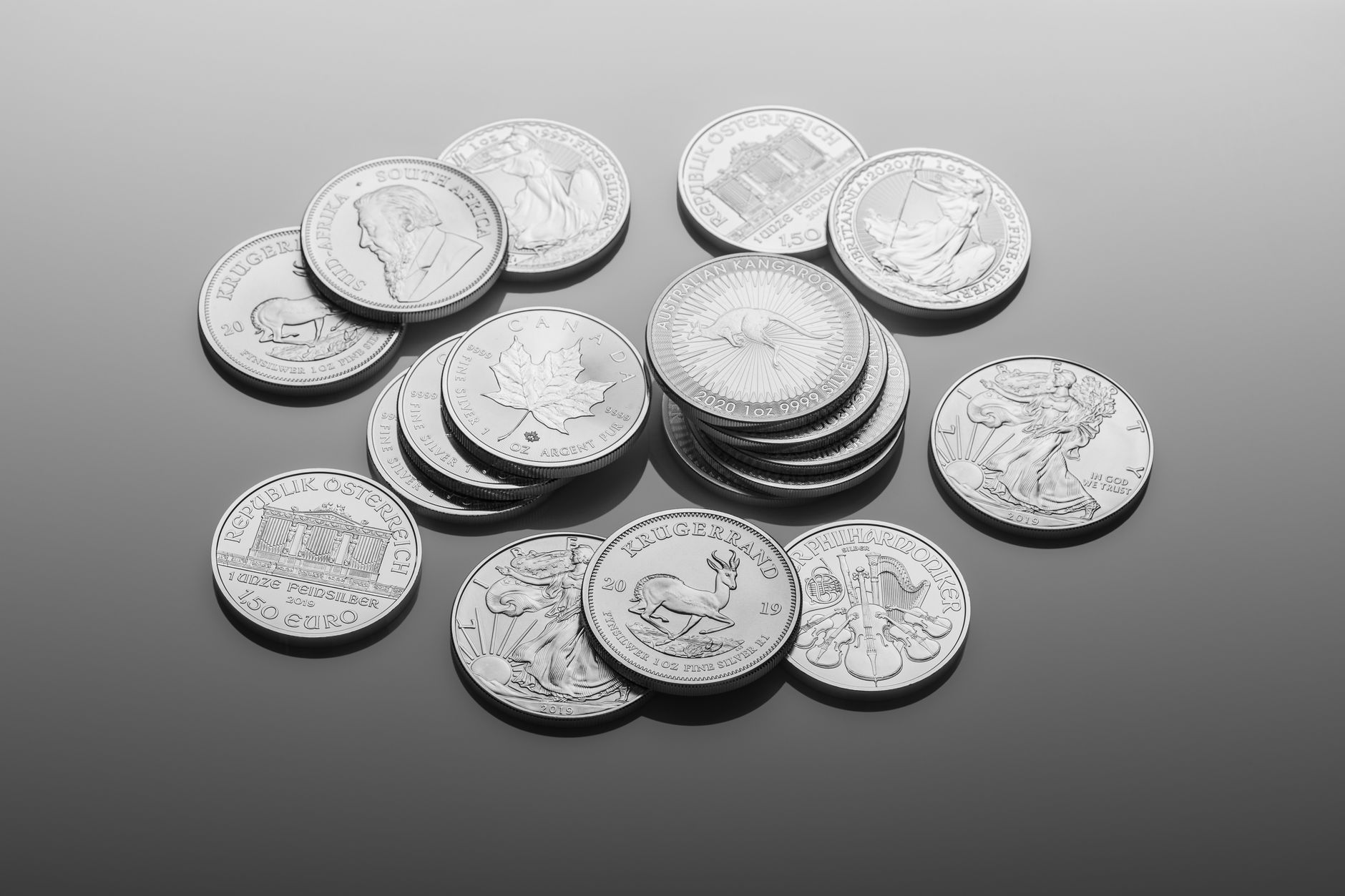
ETFs offer a different path. They give you quick access to silver. They change how you own the metal. You get instant liquidity with ETFs. Physical silver gives you direct control. You hold the actual metal.
Compare the numbers. See the premium impact on your purchase. Look at the storage reality. How will you keep your silver safe? You decide what works for you.
Control, Liquidity, and Portfolio Fit
Control, liquidity, and portfolio fit matter. Physical silver gives you direct control. You own the asset outright. ETFs offer immediate diversification. They move with the market. You trade for a share. You don't own the metal directly.
Physical silver has costs. You pay premiums for insurance. You pay for secure storage. These costs show up upfront. ETFs have different expense ratios. They trade on exchanges. They offer instant buying and selling. You can access them anytime.
Think about your storage. Where will you keep your silver? Secure storage is a real factor. Physical silver requires planning. ETFs are easy to manage. They fit into a standard brokerage account. You choose what fits your buying style. You decide if direct ownership works for you.
Practical Steps for Making Your Choice
Physical silver has costs. You pay premiums for the metal. Storage adds another layer. Compare this to an ETF. ETFs offer immediate access. They trade instantly on exchanges. You get broad diversification. You trade shares, not the metal itself. You have direct control. You own the physical bar or coin. You manage the storage yourself. You decide when to sell. You need to see the full picture. Premiums change the final price. ETFs have different fees. You need to weigh control against ease of buying. Your goal matters now.
Where to Start Your Silver Journey
Where to Start Your Silver Journey
You've seen silver ETFs. They offer easy access. You get instant diversification. They move with the market. You buy and sell quickly. This is simple.
Physical silver is different. You own the metal. You control the asset. You see the premium costs. You see the storage needs. These factors matter. They affect your final return.
Think about control. ETFs are passive. You buy a share. Physical silver is active. You hold the metal. You figure out your storage. You decide how much to buy. This is how you build your position.
Stop guessing about premiums and dealer claims. Reserve your physical silver today at /reserve/
Related
- Silver Vs Gold Which Is Better Investment In 2026
- Self-Directed IRA for Silver: Step by Step
- Silver IRA: What It Is and How to Open One
Read next: Silver Vs Gold Which Is Better Investment In 2026