
Silver beats gold in terms of purchasing power right now. You're looking for a simple way to build a physical silver reserve. Fused Distribution offers that straightforward path. We cut out the dealer markup games and confusing premiums. You get clear pricing and no pressure to sell.
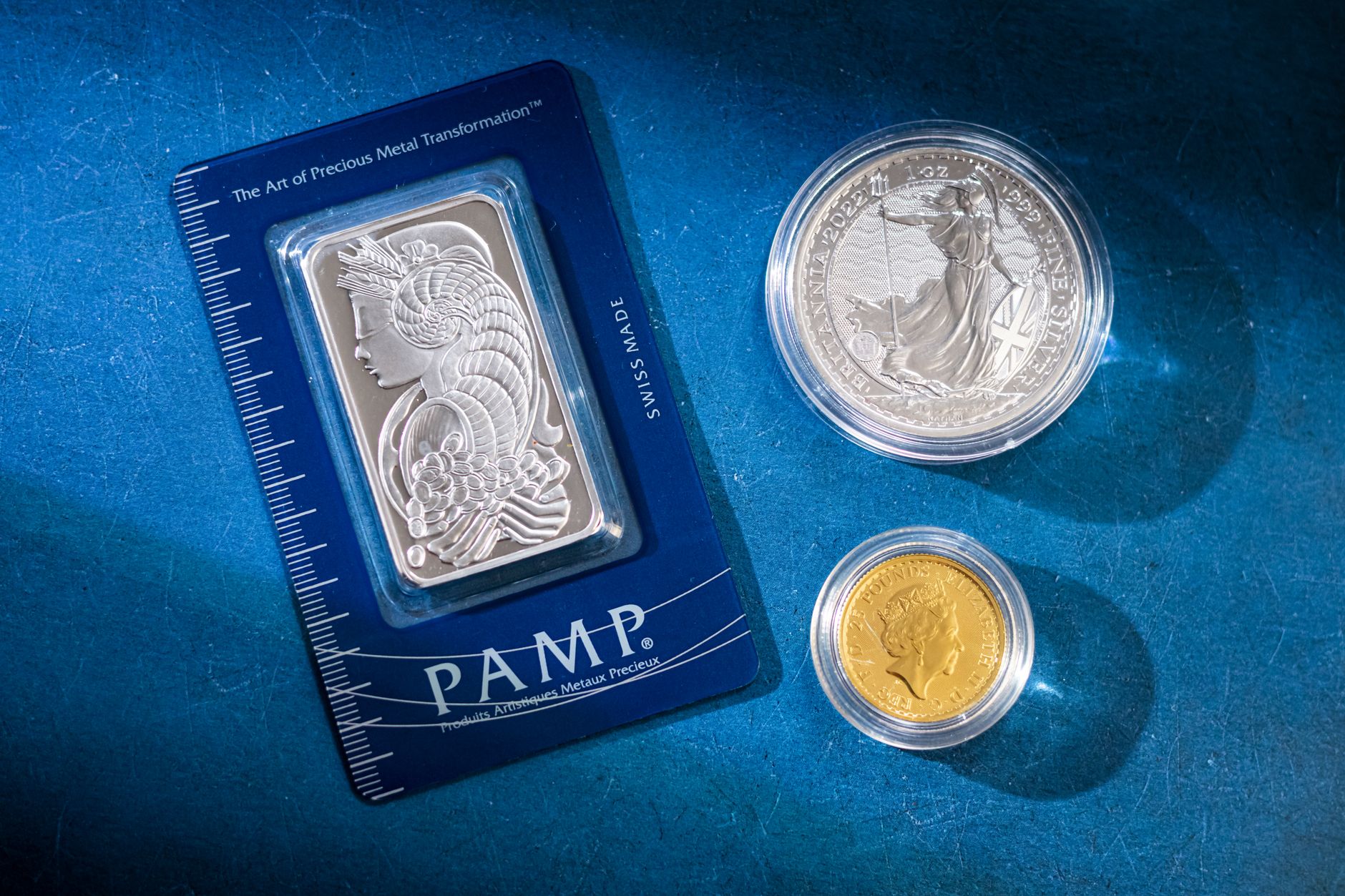
Silver vs. Gold: A Direct Comparison
Silver versus gold is a real question. You're wondering which metal makes a better move for your money. The answer depends on what you need. You need to look at the total cost of ownership. Compare a one ounce of silver to one ounce of gold. Factor in the premiums dealers add. This shows you the true price you pay.
Think about how easy it is to sell. Physical silver has its own market. Selling a bar is usually straightforward. Managing gold through ETFs or dealers adds layers. You have to watch those fees. This affects your actual return.
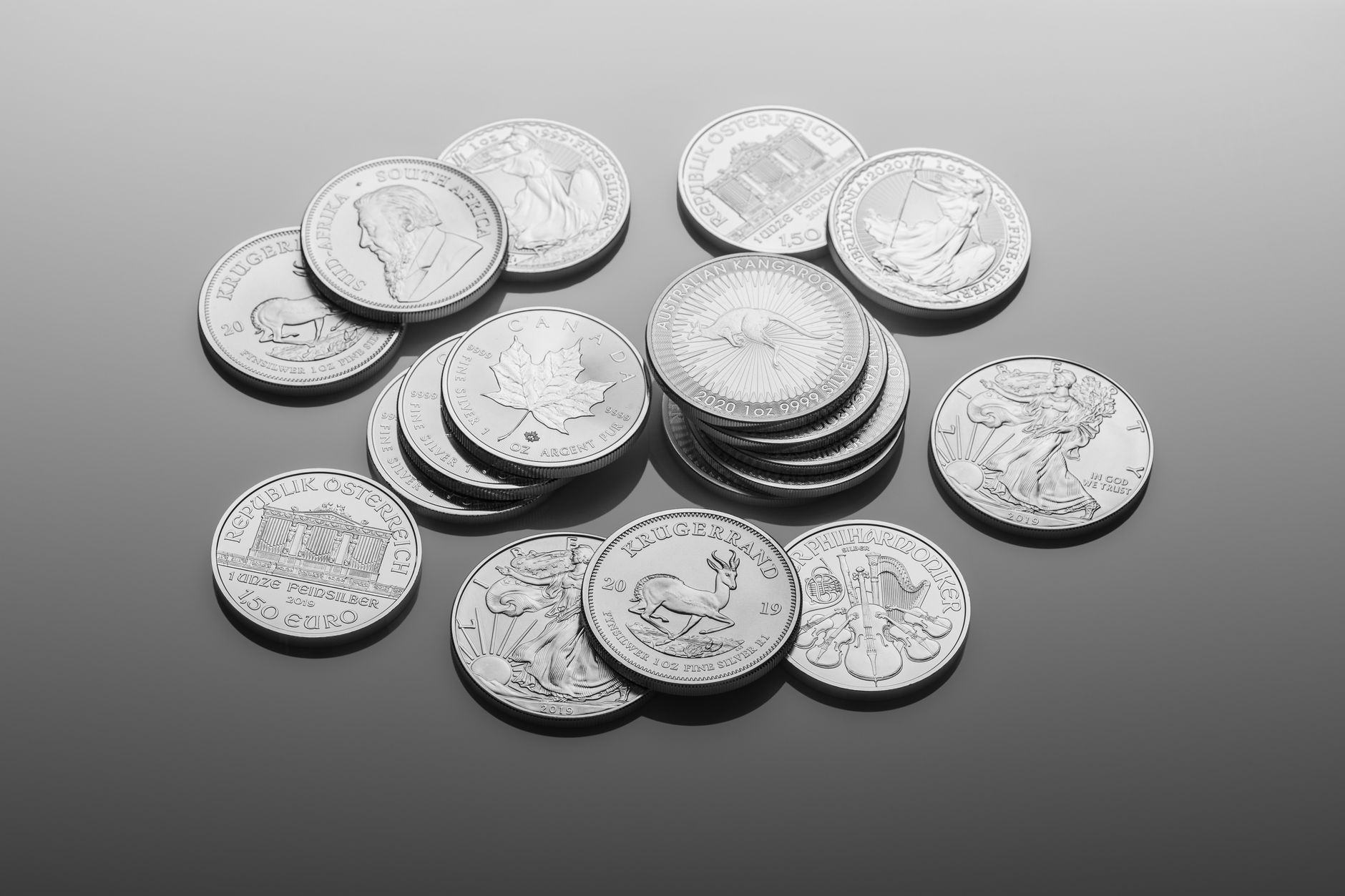
Premiums are a part of the equation. Dealers charge for their services. These costs add up quickly. You need to see that number clearly. It tells you exactly what you are paying for. You don't want hidden costs.
Storage can feel complicated. You don't need a vault right away. There are simple ways to keep your silver safe. Consider secure home storage. Look at dedicated metal boxes. These are basic, low barrier methods. They keep your investment secure for the long term.
Your timeline matters too. Silver moves fast. Gold moves differently. If you need quick access, silver might fit. If you need steady holding, gold has its place. Figure out your risk tolerance. Match the metal to your personal plan.
Understanding the True Cost of Silver Premiums
Understanding the True Cost of Silver Premiums
You need to see the full picture. Don't just look at the sticker price. You have to factor in the premiums. Dealers add costs to the silver price. These costs vary widely by product. Knowing this helps you compare apples to apples. It stops you from feeling surprised at the final price.
Compare the total cost of ownership. Look at a 1 oz silver bar versus a 1 oz gold bar. Factor in the known premium structures for each. You'll see the real difference in what you pay. This isn't about hype. It's about clear numbers.
Liquidity matters too. Selling physical silver is straightforward. You can sell it directly. Managing complex ETFs takes more effort. Dealers hold inventory. This affects how easily you can exit a position. Assess your timeline. Consider how long you plan to hold your metal. Silver moves differently than gold over time. That matters for your personal risk.
Where to Buy: Navigating the Market Simply
Where to Buy: Navigating the Market Simply
You're looking at silver versus gold. Figuring out the real cost matters most. Look at the total cost of ownership for a one ounce of silver versus gold. Factor in the known premium structures dealers add. This shows you the true price tag.
Think about how easy it is to sell. Physical silver is straightforward. You can sell it directly to another buyer. Managing ETFs or dealer inventories gets complicated fast. This affects your access to your money.
Dealers charge premiums. These premiums add to the final price you pay. See the typical range for common silver products. This helps you spot where the markup is hidden. It's important to see the full picture.
Storage shouldn't be a headache. You need simple, secure places for your silver. Consider a safe deposit box. Or look at secure home storage options. These are low barriers to entry. They keep your silver safe long term.
Your timeline changes things. Silver has a different volatility profile. Think about when you need this money. Match the silver's movement to your personal risk level. A short term goal needs a different approach than a long term hold.
Storage: Securing Your Physical Holdings
Storage: Securing Your Physical Holdings
You need a place to keep your silver safe. Where do you store it? The location matters for long-term security. Think about fire risk and theft. A safe home storage unit is a simple start. It keeps your metal out of the elements.
Consider the cost. Compare the total cost of owning one ounce of silver versus one ounce of gold. Add the known premium structure to both prices. This shows you the real cost difference. You'll see where your money goes.
Liquidity is also a factor. Selling physical silver is straightforward. You can sell it directly to another buyer. Managing complex ETFs takes more effort. Think about how fast you need access to your money. Your storage choice should match your selling plan.
Making Your Decision: Aligning Silver with Your Plan
Making Your Decision: Aligning Silver with Your Plan
You need to compare silver and gold costs. Look at the total ownership. A one-ounce silver bar has a different total cost than a one-ounce gold bar. Dealers add premiums to the price. These premiums change based on the product. You need to see the final price. This shows you the real cost of buying.
Think about selling later. Selling physical silver is straightforward. You hold the metal. Selling gold often involves market fees. Managing dealer stock adds complexity. You need to know what you own. This helps you plan your exit.
Premiums are real numbers. Dealers charge a fee for their service. These fees add to the bar's price. Know this range before you buy. It shows you what you are actually paying. This removes guesswork. You set your own budget then.
Storage shouldn't be a problem. You don't need a vault immediately. Simple methods work well for beginners. Consider secure, safe storage options. These methods keep your metal protected. You control where it sits.
Your timeline matters now. How long do you plan to hold this? Silver moves differently than gold. Understand that movement for your goals. Silver has a different risk profile. Match the metal to your personal plan.
Stop guessing about premiums. Reserve your silver straightforwardly at /reserve/ and see the clear costs.
Related
- Self-Directed IRA for Silver: Step by Step
- Silver IRA: What It Is and How to Open One
- Silver Investment for Beginners: Complete Guide
Read next: Self-Directed IRA for Silver: Step by Step