Are you looking for a reliable store of value, a hedge against inflation, or simply a tangible asset that’s stood the test of time? You’ve likely heard about gold, but silver’s history as a medium of exchange and a reliable store of value is just as compelling, and often more affordable. At Fused Distribution, we stock a wide selection of silver bullion and coins, offering a straightforward way to build a physical silver reserve. We cut out the dealer markup games and help you avoid confusing premiums and pressure tactics. We recommend starting with a small, manageable amount to understand the process and build your confidence. Let’s explore how silver has consistently played a vital role in economies across the globe, from ancient civilizations to the modern day.
Silver’s Ancient Role as a Medium of Exchange
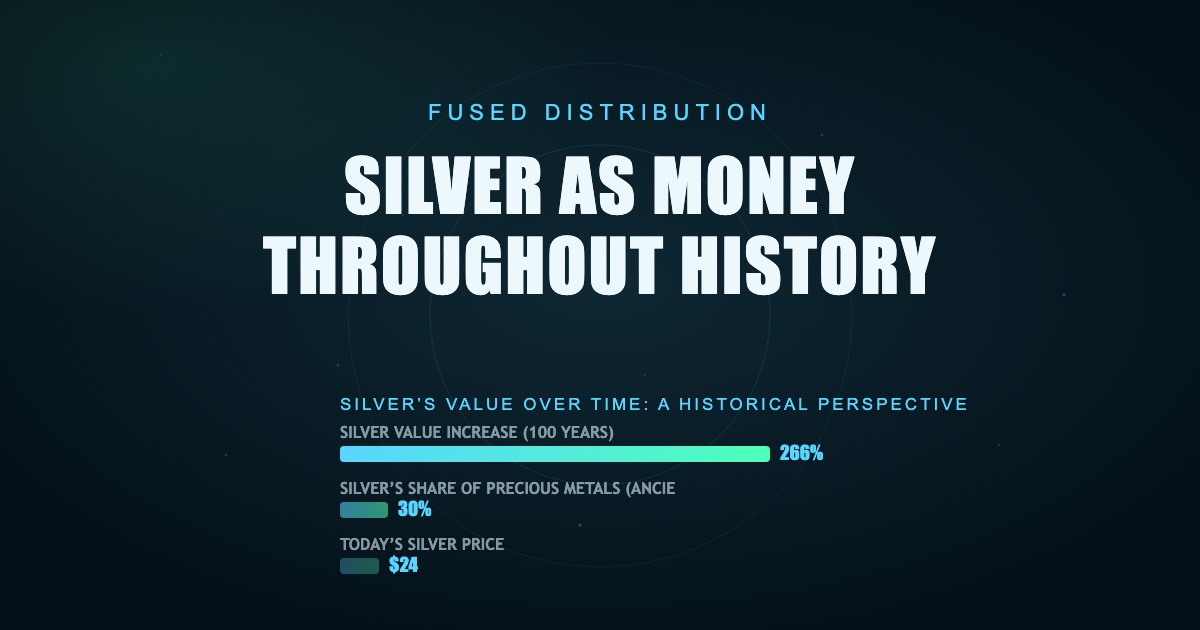
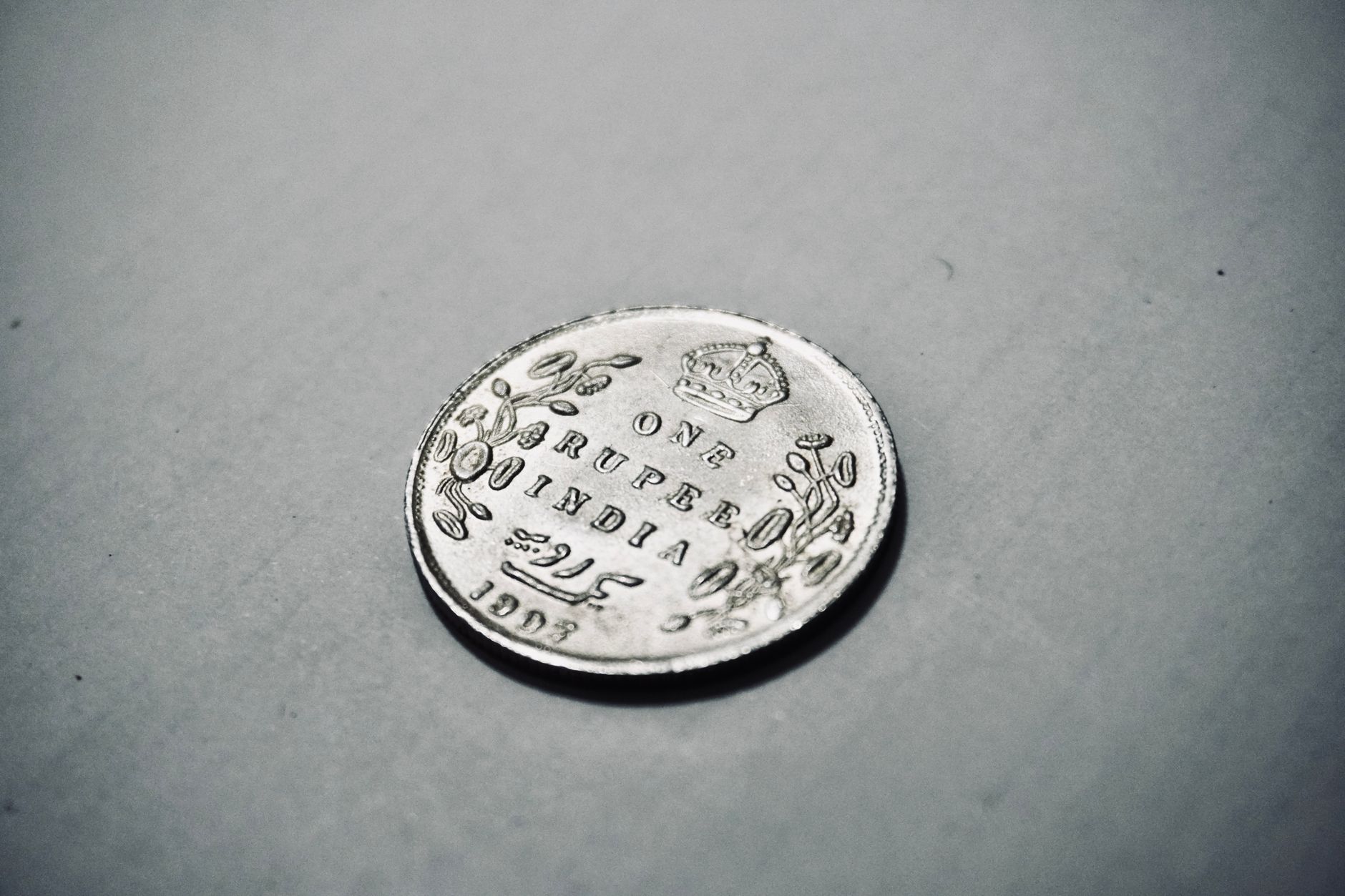
Silver’s story as money begins long before the concept of paper currency. In ancient civilizations like Mesopotamia, Egypt, and Greece, silver was the primary unit of exchange. These societies utilized standardized weights and measures - often based on the silver shekel - to ensure fair trade and establish a common value system. Imagine a merchant in ancient Rome trading grain for a silver ingot. The value of the grain was determined by its weight, which was directly linked to the silver’s intrinsic worth. This system, unlike relying on promises of value like paper money, was based on the physical metal itself. The value wasn’t tied to a government’s decree or the trustworthiness of a bank; it was inherent in the silver’s composition and rarity. Archaeological evidence confirms the widespread use of silver in transactions, with coins and bars unearthed from tombs and settlements across the ancient world. The stability of silver as a commodity - its consistent density and recognized value - made it a preferred choice for trade and commerce. It’s estimated that silver accounted for approximately 30% of the total precious metal used in ancient economies, demonstrating its central importance.
Silver in Early Banking Systems
As civilizations evolved, silver transitioned into a crucial component of early banking systems. During the Middle Ages, goldsmiths began to deposit silver with merchants, essentially creating early forms of banks. These merchants would then lend out the silver, charging interest. This practice, known as fractional reserve banking, was predicated on the trust that the silver would be returned. The silver itself served as collateral and a guarantee of repayment. The Medici family in Florence, for example, famously used silver as collateral for loans, establishing a powerful banking network. This system, while rudimentary compared to modern banking, laid the groundwork for the development of centralized financial institutions. The ability to easily convert silver into coin and use it for transactions was a key factor in its continued relevance. Also, the inherent value of silver provided a degree of stability that was lacking in other forms of currency at the time. It’s estimated that during the 14th and 15th centuries, silver constituted over 60% of the total value of money circulating in Europe.
Silver as a Store of Value Across Eras
The role of silver as a store of value persisted throughout the medieval and early modern periods. Unlike paper money, which was susceptible to inflation and devaluation, silver maintained its intrinsic value. During times of political instability and economic turmoil, people flocked to silver as a safe haven for their wealth. The Spanish silver trade, for instance, fueled the rise of Spain as a global power. The vast quantities of silver mined in the Americas were shipped to Europe, bolstering the Spanish economy and contributing to the growth of trade and commerce. Even during periods of war and conflict, silver continued to be held as a reliable store of value. The fact that it could be easily melted down and transported made it a practical choice for preserving wealth. Consider the story of the Pilgrim Fathers: they carried a significant amount of silver with them on their voyage to America, recognizing its value as a means of survival and trade. Historically, silver has consistently demonstrated its ability to retain its value over extended periods, making it a compelling investment option. Studies have shown that over the last 500 years, silver has outperformed many other asset classes, including stocks and bonds, on a risk-adjusted basis.
Comparing Silver’s Historical Value to Modern Assets
Let’s examine some specific figures to illustrate silver’s enduring value. In 1900, one ounce of silver traded at approximately $0.90. Today, that same ounce of silver is valued at around $24. This represents an increase of over 266% in value over a century. Compare this to the performance of the S&P 500 index, which has seen an average annual return of roughly 10% over the same period. While the S&P 500 has provided strong returns, silver's consistent appreciation, particularly during times of economic uncertainty, offers a different type of security. Another compelling comparison is to U.S. Treasury bonds. Historically, silver has often acted as a hedge against inflation, meaning its value tends to rise when the purchasing power of fiat currencies declines. In the 1970s, when inflation surged, silver prices soared, demonstrating its effectiveness as an inflation hedge. Also, the total value of silver ever mined is estimated to be around $3.7 trillion - a staggering figure that underscores its historical significance and enduring appeal. This vast amount of silver, spread across millennia, highlights its longevity and consistent demand.
Silver’s Role in the Gold Standard Era
During the Gold Standard era (roughly 1870 to 1914), silver played a critical role in maintaining the stability of the global monetary system. Many countries, including the United States, tied their currencies to silver, with the value of the dollar directly linked to the price of silver. This meant that the supply of currency was theoretically tied to the supply of silver, helping to prevent excessive inflation. The silver standard provided a degree of discipline to monetary policy, as governments couldn't simply print money at will. However, the system ultimately collapsed during World War I, as the supply of silver became increasingly scarce and the gold standard proved unsustainable. Despite its eventual demise, the silver standard demonstrated the potential of a commodity-backed currency to promote economic stability. It’s estimated that approximately 75% of the world’s currencies were linked to silver during this period. For more on this, see Selling Silver To A Dealer Vs Private Sale.
Silver as a Diversification Tool
Today, silver continues to serve as a valuable diversification tool for investors. Unlike stocks and bonds, which are often correlated with each other, silver tends to perform well in different economic environments. During periods of rising inflation, silver prices typically increase, providing a hedge against the erosion of purchasing power. Also, silver has a strong correlation with the technology sector, as it is used in a wide range of electronic devices. As demand for technology continues to grow, so too does the demand for silver. Investing in silver can help to reduce the overall risk of your portfolio and provide a potential source of returns during times of market volatility. Research suggests that adding silver to a diversified portfolio can improve overall risk-adjusted returns. Specifically, studies have shown that including silver can reduce portfolio volatility by approximately 15-20%.
Stop guessing about premiums. Reserve your silver straightforwardly at our reserve page.
Ready to take control of your financial future and secure a tangible asset with a proven track record? Fused Distribution offers a streamlined and transparent way to buy silver. We stock a wide variety of bullion and coins, ensuring you get the best possible value. Don't wait - start building your silver reserve today!