
Keeping accurate records of your silver purchases is crucial for tax time. As a buyer of precious metals, you’re responsible for reporting any profits you make from selling your silver. We stock a wide variety of silver bullion, coins, and bars at Fused Distribution, and we recommend meticulous record-keeping to simplify the process and avoid potential issues with the IRS. This guide will walk you through how to properly track your silver investments, ensuring you’re prepared for tax season.

What to Know About Silver Taxes
The IRS treats silver, like gold and other precious metals, as property. This means that any profit you realize from selling silver is considered a capital gain and is subject to income tax. The tax rate you’ll pay depends on how long you held the silver before selling it. If you held it for a year or less, it’s considered a short-term capital gain, taxed at your ordinary income tax rate. If you held it for more than a year, it’s a long-term capital gain, which typically has a lower tax rate.
Currently, the long-term capital gains tax rate is 15% for most taxpayers. However, depending on your income level, it could be higher. It’s important to note that the IRS doesn’t require you to report every single transaction, but they do require you to keep records to substantiate your reported gains or losses. Maintaining organized records is your responsibility. According to the IRS, “Taxpayers must keep accurate records of their transactions to support their tax returns.” (IRS Publication 550).
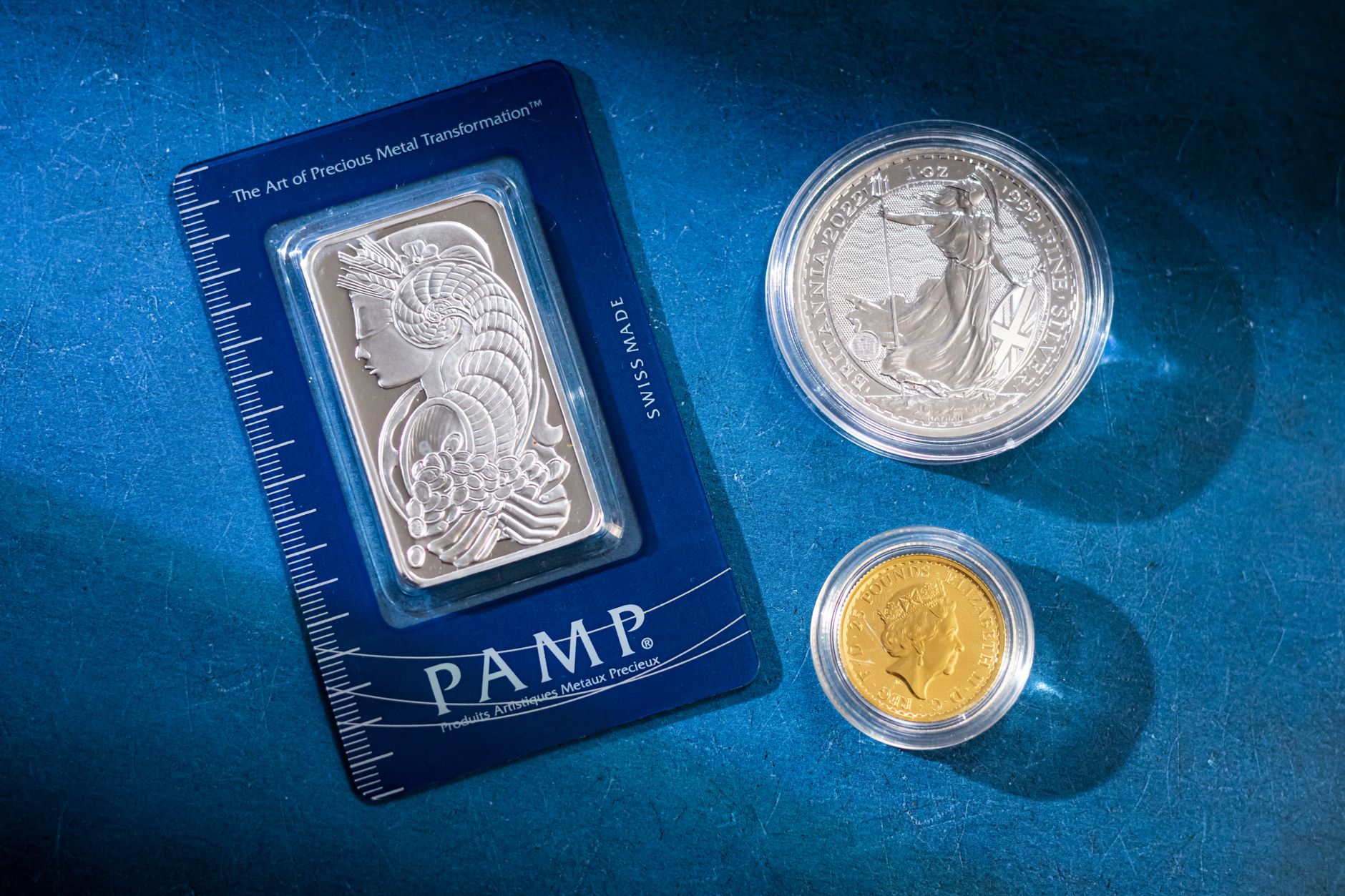
How to Get Started: Setting Up Your Silver Record-Keeping System
The first step is to establish a system for tracking your silver purchases. This doesn't have to be complicated, but it needs to be consistent. Here’s a breakdown of what you’ll need:
- Choose a Method: Decide how you’ll record your transactions. Options include:
- Spreadsheet: A simple spreadsheet (like Google Sheets or Microsoft Excel) is a great starting point.
- Accounting Software: Programs like QuickBooks Self-Employed or FreshBooks can automate much of the process.
- Dedicated App: Several apps are designed specifically for tracking investments.
- Create a Log: Your log should include the following information for each purchase:
- Date of Purchase: Record the exact date you bought the silver.
- Type of Silver: Specify whether it’s bullion, coins, or bars.
- Quantity: Note the amount of silver purchased (e.g., 1 troy ounce, 100 ounces).
- Purchase Price: Record the price you paid per unit.
- Transaction Type: Indicate whether it was a purchase or a sale.
- Seller: Note the name of the dealer or platform you purchased from.
- Transaction ID: If available, record the transaction ID provided by the seller.
- Secure Storage: Store your records in a safe and accessible place. Consider both physical and digital backups.
Tracking Purchases: Detailed Record-Keeping
Let's look at the specifics of tracking your purchases. Accuracy is essential. For more on this, see State Sales Tax on Silver Coins: Which States Charge It.
- Purchase Details: For each purchase, meticulously record the details outlined above. Don’t rely on memory.
- Receipts and Documentation: Keep all receipts, invoices, and any other documentation related to your silver purchases. Scan them and store them digitally.
- Cost Basis: Your cost basis is the original purchase price of the silver, plus any associated costs (like shipping and insurance). This is crucial for calculating your capital gain or loss.
- Inventory Tracking: If you hold silver for an extended period, consider tracking your inventory levels. This isn't strictly required for tax purposes, but it can be helpful for managing your investments. According to the IRS, “Recordkeeping requirements are based on the nature of the taxpayer’s business.” (IRS Publication 334).
Tracking Sales: Reporting Your Profits
When you sell your silver, you’ll need to report the sale on your tax return.
- Record the Sale Date: Note the exact date you sold the silver.
- Record the Sale Price: Record the price you received for the silver.
- Calculate Your Gain or Loss: Subtract your cost basis from the sale price. If the result is positive, you have a capital gain. If it’s negative, you have a capital loss.
- Report on Schedule D: Report your capital gains and losses on Schedule D of Form 1040.
Common Mistakes to Avoid
Several common mistakes can lead to tax problems. Let’s address them head-on.
- Lack of Records: The most frequent mistake is simply not keeping records. The IRS can disallow your claim if you can’t prove your gains or losses.
- Incorrect Cost Basis: Using an inaccurate cost basis will result in an incorrect tax calculation. Double-check your records.
- Failing to Report All Sales: Don’t only track your purchases. Remember to record every sale, even small ones.
- Mixing Silver with Other Investments: Keep your silver records separate from your records for other investments. This will help you avoid confusion.
- Ignoring Small Transactions: Even seemingly insignificant sales can add up. Don’t neglect to record small transactions. According to a 2023 study by the National Taxpayer Advocate, "Small businesses and individuals often struggle to keep accurate records, particularly when dealing with multiple transactions."
Specific Examples of Record Keeping
Let's illustrate with a few scenarios:
- Scenario 1: Buying Silver Coins You purchase 10 American Silver Eagles on July 15th for $100 each, totaling $1,000. You sell those coins on December 20th for $120 each, receiving $1,200. Your cost basis is $1,000, and your profit is $200.
- Scenario 2: Buying Silver Bullion You buy 50 troy ounces of silver bullion on March 1st for $30 per ounce, costing you $1,500. You sell those ounces on September 10th for $35 per ounce, earning $1,750. Your cost basis is $1,500, and your profit is $250.
- Scenario 3: Selling a Small Quantity You sell 5 troy ounces of silver bullion on June 5th for $40 per ounce, receiving $200. Your cost basis is $32 per ounce (calculated from previous purchases). Your profit is $80.
Resources for Further Information
- IRS Publication 550, Investment Income: https://www.irs.gov/publications/p550 - This publication provides detailed information on reporting investment income.
- IRS Website: https://www.irs.gov/ - The IRS website offers a wealth of information on tax laws and regulations.
- Fused Distribution Tax Resources: https://www.fuseddistribution.com/tax-resources - We provide helpful resources to assist you with your silver investments and tax reporting.
Moving Forward: Staying Organized
Maintaining accurate records of your silver purchases is an ongoing process. Make it a habit to record every transaction as soon as possible. Don't wait until tax season to start organizing your records. Consider setting up a monthly review to ensure your records are up-to-date. By following these guidelines, you can simplify your tax filing process and avoid potential problems with the IRS. At Fused Distribution, we’re committed to providing you with the resources you need to make informed investment decisions and navigate the complexities of tax reporting. We stock a wide selection of silver to suit your needs, and we recommend starting with a solid record-keeping system today.
Related
- State Sales Tax on Silver Coins: Which States Charge It
- IRS Rules For Selling Silver Coins 1099-B Reporting
- Do You Have To Report Silver Coin Purchases To Irs
Read next: State Sales Tax on Silver Coins: Which States Charge It