
Selling silver coins and precious metals can be a rewarding investment, but navigating the tax implications can be confusing. If you sell your silver through a dealer like Fused Distribution, understanding how to report the sale on Form 1099-B is crucial. This guide breaks down the IRS rules, explaining what you need to know and how to ensure you’re compliant. We stock a wide variety of silver coins and recommend careful planning to simplify your tax obligations.
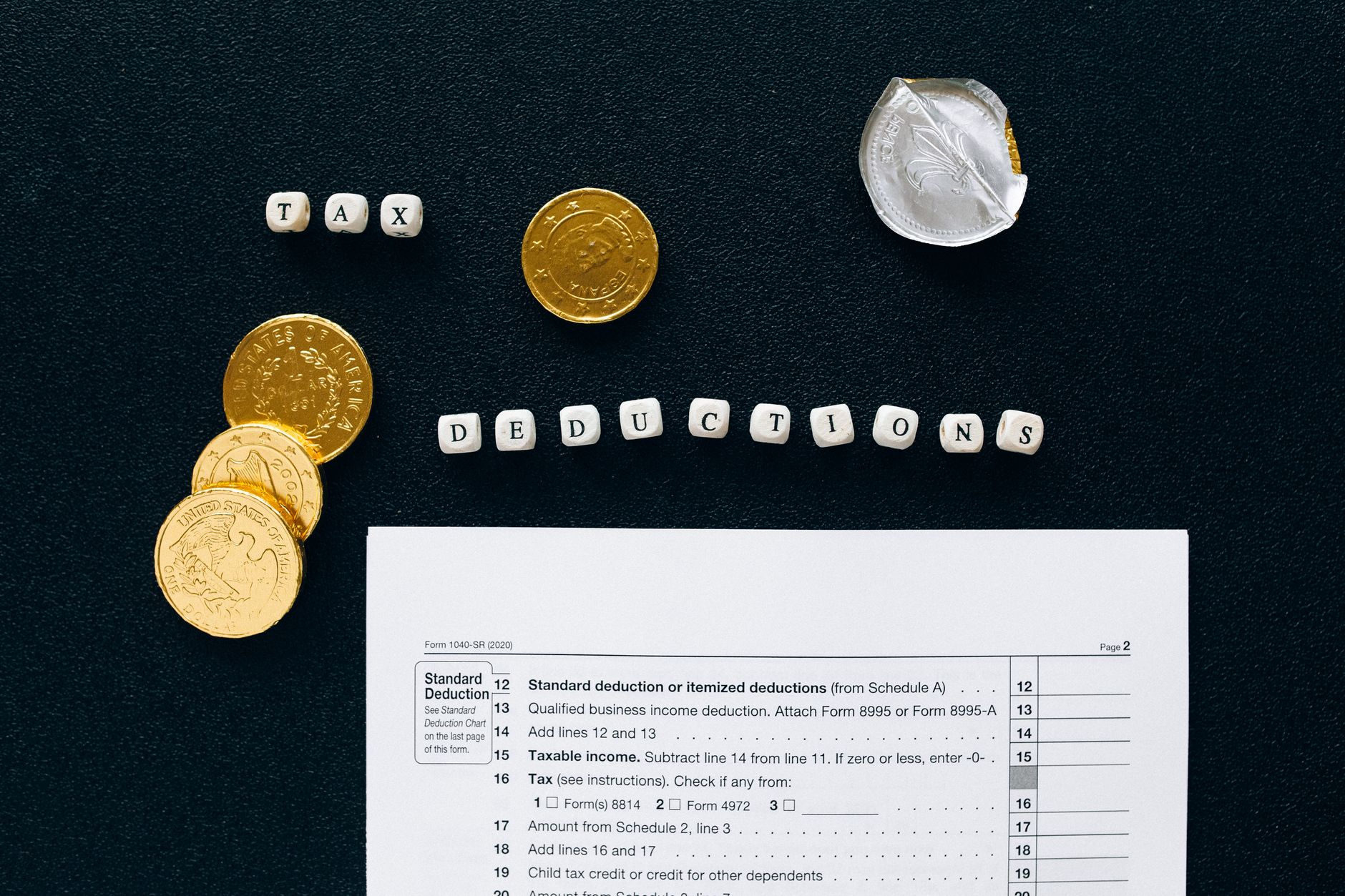
What to Know About 1099-B Reporting
Form 1099-B, Proceeds from Broker and Barter Transactions, is the IRS form you’ll receive from a dealer when you sell your silver coins. It details the sales proceeds you received. Receiving this form doesn’t automatically mean you’ll owe taxes, but it does mean you must report the sale on your tax return. Failure to do so can result in penalties. The IRS considers any sale of $600 or more to be reportable. This includes sales to dealers, individuals, or any other entity. It’s important to understand that the dealer isn’t responsible for telling you to file a tax return; they’re simply required to report the transaction.
When Does a 1099-B Need to Be Received?
The IRS mandates that dealers must send you a 1099-B by January 31st of the year following the sale. For example, if you sold silver in December 2023, you should receive your 1099-B by January 31st, 2024. If you don’t receive a 1099-B by this date, you are responsible for reporting the sale yourself. Don't wait for the form - proactively gather your sales records to ensure accuracy.
Understanding the Information on Your 1099-B
Let's break down the key information you'll find on your 1099-B:
- Box 1a: Gross Proceeds: This is the total amount you received for the sale of your silver.
- Box 1b: Fee Income: This line represents any fees charged by the dealer for their services, such as grading or assaying. These fees are not taxable income.
- Box 2: Sales Price: This is the amount you actually received after deducting any fees.
- Box 3: Sales Price Excluding Fee Income: This is the sales price before any fees are deducted.
- Box 5: Sales Price of Property Sold: This is the same as Box 2.
- Box 6: Cost of Goods Sold: This is the most important part for tax purposes. It represents the cost you originally paid for the silver coins. You'll need to keep accurate records of your purchase price to accurately calculate your profit or loss.
Calculating Your Capital Gain or Loss
Once you have your 1099-B and your records of the cost of your silver, you can calculate your capital gain or loss. This is done by subtracting the cost of the silver (Box 6 on the 1099-B) from the sales price (Box 2 on the 1099-B).
- Capital Gain: If the sales price is higher than the cost, you have a capital gain, which is taxable.
- Capital Loss: If the sales price is lower than the cost, you have a capital loss, which can be used to offset other capital gains.
Reporting Your Sale on Schedule D
You’ll report your capital gain or loss on Schedule D (Form 1040), Capital Gains and Losses. This schedule allows you to track your gains and losses across all your investments, including silver. You’ll use the information from your 1099-B and your cost records to accurately complete Schedule D.
Keeping Accurate Records - Your Best Defense
Maintaining meticulous records is absolutely essential. Keep copies of all purchase receipts, invoices, and any correspondence with the dealer. Organize your records chronologically and securely. A spreadsheet or accounting software can be incredibly helpful. Without proper documentation, accurately calculating your capital gain or loss will be significantly more difficult, potentially leading to errors and penalties. For more on this, see Is Now A Good Time To Buy Silver 2026.
Is Silver Investment Taxed as Ordinary Income?
Generally, the sale of silver coins is treated as a capital gain, not ordinary income. However, there are exceptions. If you held the silver for a short period (less than a year) before selling it, the gain may be treated as ordinary income. Consult a tax professional to determine the appropriate treatment based on your specific circumstances.
The Dealer's Responsibility - And Yours
While dealers are required to issue 1099-Bs, it’s ultimately your responsibility to report the sale accurately on your tax return. Don’t assume the dealer has done everything correctly. Double-check the information on the form against your records. If there’s an error, contact the dealer immediately to request a corrected 1099-B.
Specific Tax Rates and Considerations
The tax rate on capital gains depends on your overall income and how long you held the silver. Short-term capital gains (held for one year or less) are taxed at your ordinary income tax rate. Long-term capital gains (held for more than one year) are taxed at preferential rates, which are typically 0%, 15%, or 20%, depending on your income level. As of 2023, the highest long-term capital gains tax rate is 20%. Also, remember that state and local taxes may also apply.
Common Mistakes to Avoid
- Not Reporting the Sale: This is the most common mistake. Don’t ignore the 1099-B.
- Incorrectly Calculating Capital Gains: Carefully review your records and ensure you’re using the correct cost basis.
- Failing to Keep Records: Without documentation, it’s difficult to accurately report your sale.
- Assuming the Dealer Handles Everything: The dealer’s responsibility is to provide the form, not to advise you on how to file your taxes.
Fused Distribution and Tax Reporting
At Fused Distribution, we understand the importance of accurate tax reporting. We provide clear and detailed 1099-B forms to our customers. We also offer resources and support to help you navigate the tax implications of selling silver. We recommend consulting with a tax professional for personalized advice. We stock a wide range of silver coins and we want you to invest confidently, knowing your tax obligations are handled correctly.
Looking Ahead - Planning for Future Sales
As your silver portfolio grows, proactive tax planning is essential. Consider consulting with a tax advisor to develop a strategy for minimizing your tax liability. Understanding the tax implications of selling silver now will help you make informed decisions about your investments in the future. Remember, staying organized and keeping accurate records are key to a smooth and compliant tax process. We encourage you to research and understand the rules, and don’t hesitate to seek professional guidance when needed. Your investment in silver should be complemented by a solid understanding of its tax implications.
Related
- Do You Have To Report Silver Coin Purchases To Irs
- Is Now A Good Time To Buy Silver 2026
- Silver Price All-Time High When Will It Happen Again
Read next: Do You Have To Report Silver Coin Purchases To Irs