
Let’s be honest, buying silver coins can feel exciting - a tangible investment in your future. But amidst the thrill of acquiring that beautiful American Eagle or a vintage Morgan dollar, a question often pops up: do I have to report my silver coin purchases to the IRS? The short answer is: it depends. Generally speaking, if you’re buying silver coins as an investment and holding them for longer than a year, you do need to report those transactions on your tax return. The IRS considers these sales as collectibles, and sales of collectibles are subject to capital gains taxes. However, if you’re buying silver for numismatic value - meaning you’re collecting them for their rarity and historical significance - the rules are slightly different.
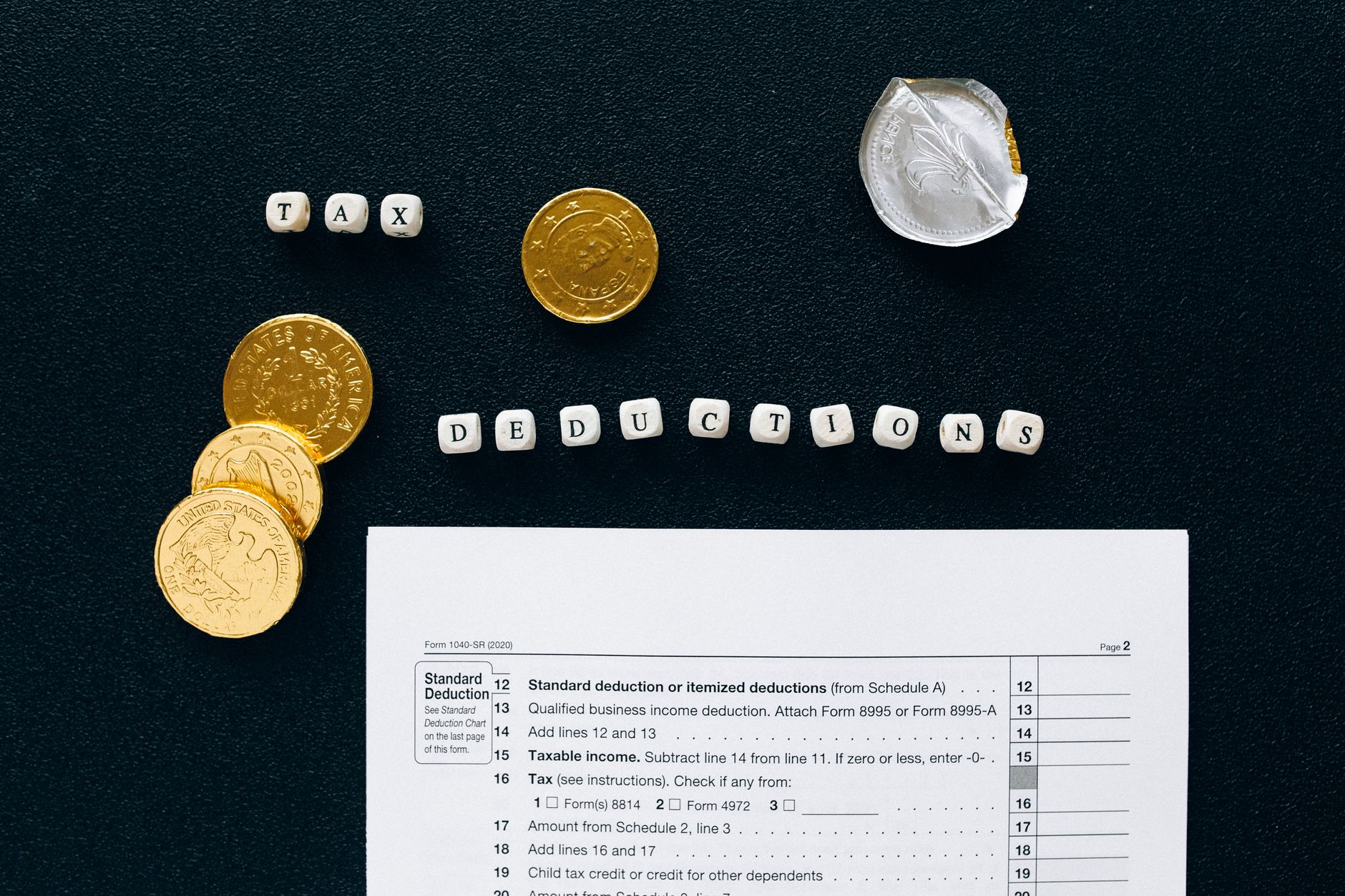
At Fused Distribution, we understand this can be confusing, especially for newer investors. We stock a wide variety of silver coins and bars, and we recommend starting with a clear understanding of the tax implications. This article will break down the specifics, including how much you need to report, what forms to use, and how to track your purchases. We'll also cover strategies for minimizing your tax liability, like utilizing cost basis accounting. Finally, we’ll discuss record-keeping proven methods to ensure you’re fully compliant with IRS regulations.
Do You Have To Report Silver Coin Purchases To The IRS?
Do You Have To Report Silver Coin Purchases To The IRS?
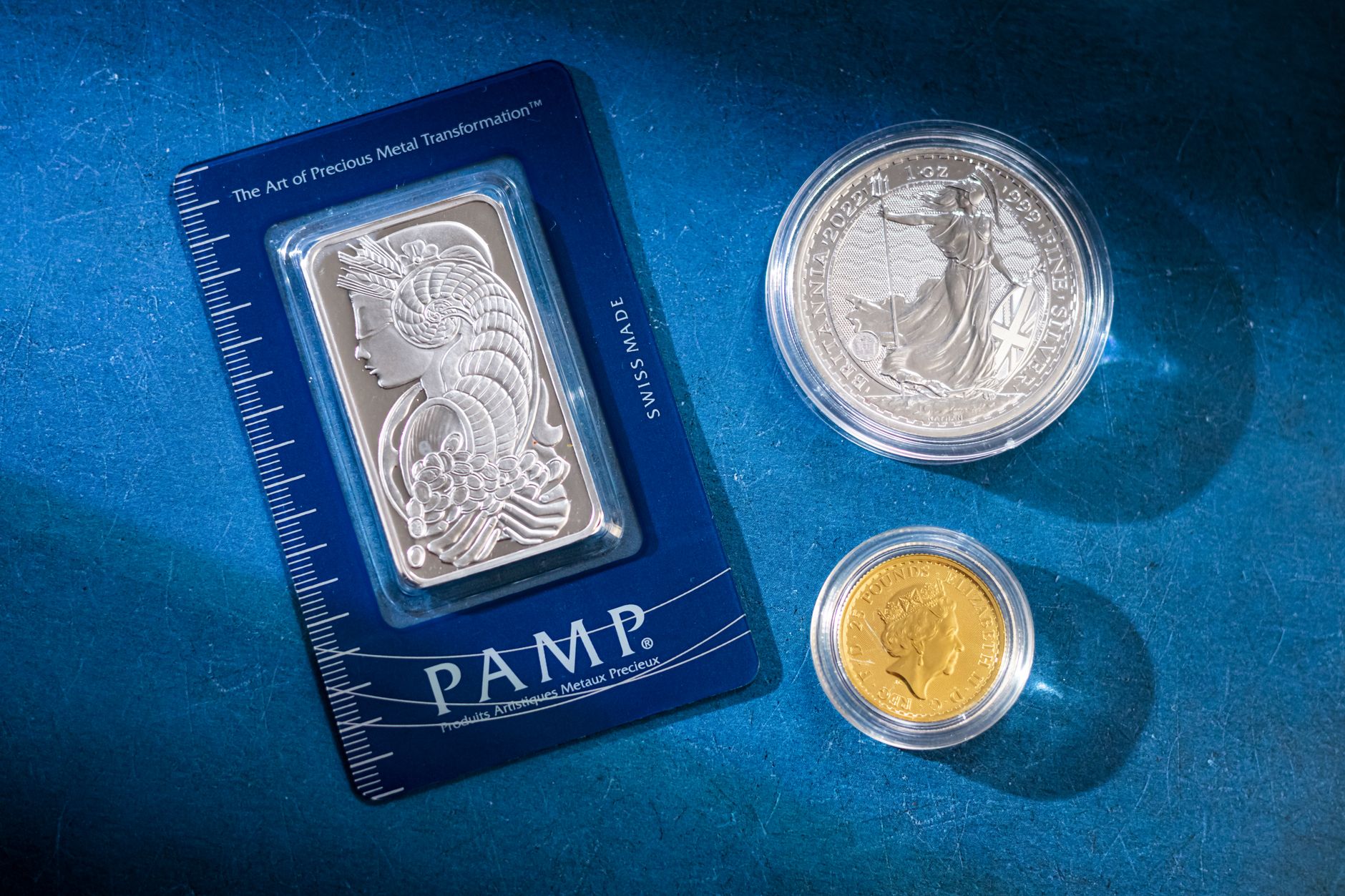
As investors in silver and precious metals, understanding your reporting obligations to the IRS is crucial. Generally, if you purchase silver coins for investment purposes - meaning you’re holding them for more than a year with the expectation of profit - you do need to report those transactions. This includes buying, selling, or exchanging silver coins. The IRS considers these transactions as collectibles, and collectibles are subject to capital gains taxes.
The reporting threshold is $200. If your silver coin purchases, sales, or exchanges total over $200 in a single year, you’ll need to report them on Form 8949, Sales and Other Dispositions of Capital Assets, and Schedule D (Form 1040), Capital Gains and Losses. We recommend keeping meticulous records of all transactions, including purchase dates, prices, and any associated fees.
At Fused Distribution, we stock a wide variety of silver coins to suit all investment levels. We recommend consulting a tax professional for personalized advice specific to your situation, as tax laws can be complex.
Understanding IRS Reporting Requirements for Silver Investments
At Fused Distribution, we understand that investing in silver can be exciting, and it’s crucial to stay informed about the associated regulations. Generally, if you purchase silver coins or bars with the intent to profit, you’re considered a dealer and must report those transactions to the IRS. This includes buying and selling silver for investment purposes, not just collecting. However, there’s a key distinction: if you buy less than $10,000 worth of collectible coins in a year and don’t actively trade them, you typically don’t need to report the purchase.
Reporting requirements are outlined in Form 1099-B, which dealers are required to send to buyers and sellers. We recommend keeping meticulous records of all your silver purchases, including the date, quantity, price, and the seller’s information. If you’re unsure whether your silver investment qualifies for the $10,000 exception, or if you’re actively trading, it's best to consult with a tax professional. We stock a wide variety of silver to help you get started, and we recommend speaking with a qualified advisor.
When Silver Purchases Trigger Reporting Obligations
At Fused Distribution, we understand that buying silver coins and bars can be an exciting step towards securing your financial future. However, it’s crucial to be aware of potential reporting obligations to the IRS. Generally, if you purchase $10,000 or more of physical precious metals (including silver) in a single year, you are required to report those transactions on Form 1099-B. This form is issued by your dealer - like us - and details the sales you’ve made. We recommend keeping meticulous records of all your purchases, including dates, amounts, and dealer information.
The IRS wants to ensure that any profits from selling silver are properly taxed. Failure to report these transactions can lead to penalties and interest. While the $10,000 threshold applies to sales, it’s important to remember that purchases also trigger reporting. It’s a good practice to consult with a tax professional to ensure you’re meeting all your reporting requirements and understanding the implications for your specific situation.
Is Reporting Necessary for Small Silver Purchases?
Is Reporting Necessary for Small Silver Purchases?
At Fused Distribution, we understand that many of our customers are just starting their journey into silver investing, and the rules surrounding reporting can seem a little daunting. The short answer is: it depends. The IRS generally only requires reporting for transactions exceeding $10,000 in a single year. However, if you're buying and selling silver coins regularly - let’s say, consistently purchasing amounts totaling over $10,000 within a 12-month period - you do need to report those transactions on Form 1099-B.
We recommend keeping meticulous records of all your silver purchases, including dates, amounts, and the seller’s information. This will make it much easier to accurately complete your tax return if needed. While the threshold is high, it’s always better to be informed and proactive. We stock a wide variety of silver coins and bars to suit all budgets, and we recommend consulting with a tax professional for personalized advice tailored to your specific investment strategy. For more on this, see Is Now A Good Time To Buy Silver 2026.
Reporting Schedule B: The Common Method for Silver Sales
Reporting Schedule B: The Common Method for Silver Sales
If you’re selling silver coins or bars, you’ll likely need to report your sales on Schedule B of Form 8949. This is the most common way investors like you handle these transactions. Schedule B is used to report capital gains and losses from selling stocks, bonds, and collectibles - and silver fits squarely into the collectible category. We at Fused Distribution understand this can seem a little daunting, but it’s a straightforward process once you understand the basics.
The IRS requires you to report the sale price you received, minus your cost basis (the original purchase price plus any expenses like shipping and insurance), as your gain or loss. Keep meticulous records of all your purchases and sales, including dates, prices, and any associated fees. Remember, if your gain is $250 or more, you must report it, even if you’re a beginner investor.
Don’t worry, you don’t need to worry about tracking every single silver coin sold. Just aggregate your sales for the year and accurately fill out Schedule B. We recommend consulting a tax professional if you have any questions or concerns about your specific situation, especially if you’re dealing with larger transactions.
How to Report Your Silver Coin Transactions
At Fused Distribution, we understand that investing in silver coins can be a rewarding experience, and we want to ensure you’re fully informed about the reporting requirements. The IRS considers any sale of physical precious metals, including silver coins, as a taxable event. This means you’re responsible for reporting any profit or loss you make from buying and selling these coins. We recommend keeping meticulous records of all your transactions, including purchase prices, sale prices, and any associated fees.
Specifically, if you sell silver coins for more than your purchase price, the difference is considered a capital gain and must be reported on Schedule D of your Form 1040. Similarly, if you sell them for less than you paid, it’s a capital loss, which can be used to offset other gains. The IRS requires reporting of these transactions, and failing to do so could result in penalties. We stock a wide variety of silver coins to suit all budgets, and we recommend consulting with a tax professional to ensure you’re meeting all your obligations.
Keeping Accurate Records of Your Silver Investments
Keeping Accurate Records of Your Silver Investments
As a retailer of silver and precious metals, we at Fused Distribution understand the importance of meticulous record-keeping when investing in these assets. While reporting requirements for small silver coin purchases are generally less stringent than for larger trades, it’s crucial to maintain detailed records for your own protection and in case of an audit. The IRS requires you to report any sale of physical bullion or coins, including silver, if the profit exceeds $200,000 in a single year.
Specifically, you’ll need to track the date, quantity, and price paid for each purchase. This includes receipts, invoices, and any other documentation proving the transaction. We recommend using a spreadsheet or dedicated investment tracking software to simplify this process. Remember, good record-keeping isn’t just about compliance; it also helps you accurately assess your investment performance and make informed decisions.
Seeking Professional Advice for Silver Tax Compliance
Seeking Professional Advice for Silver Tax Compliance
Navigating the tax implications of silver coin purchases can feel complex, especially as an investor. At Fused Distribution, we understand that keeping track of your silver investments and ensuring full compliance with IRS regulations is crucial for peace of mind. While the IRS generally requires reporting of sales of capital assets, including precious metals, the specific rules surrounding silver coin transactions can be tricky. We recommend consulting with a qualified tax professional or accountant who specializes in precious metals investments.
Specifically, you’ll need to track the cost basis of your silver coins - the original purchase price plus any associated fees - and report any sales on Form 1099-B if you sell through a brokerage. Remember, the IRS considers silver coins as collectibles, and the rules for reporting capital gains can be different than for stocks. Don’t hesitate to seek expert guidance to avoid potential issues. We stock a wide variety of silver coins and can provide resources to help you get started.
Related
- Is Now A Good Time To Buy Silver 2026
- Silver Price All-Time High When Will It Happen Again
- Comex Silver Inventory: What Declining Stockpiles Mean For Price
Read next: Is Now A Good Time To Buy Silver 2026