Are you a small business owner struggling to keep your website fresh and attracting new customers? You’re not alone. Many small businesses focus on immediate sales and forget the long-term value of consistently providing helpful content. That’s where evergreen content comes in. Evergreen content is material that remains relevant and valuable over time, consistently driving traffic and establishing you as an authority in your field. It’s not a one-and-done effort; it’s a strategic approach to content marketing. At Fused Distribution, we build websites and run SEO specifically for local businesses, and we know the power of a well-planned, evergreen content strategy. Let’s explore some ideas that will help you build a website that attracts customers year after year.

Understanding Evergreen Content
Evergreen content isn’t about trends. It’s about answering fundamental questions your ideal customers have right now and will continue to have in the future. Think of it as the content that answers the questions “Why should I choose you?” and “How can you help me?” Unlike time-sensitive blog posts about the latest marketing campaign, evergreen content offers lasting value. It’s the foundation of a strong online presence. Consider this: 65% of website visitors are looking for information, not necessarily to make a purchase immediately. [Source: HubSpot] Providing that information through well-crafted, evergreen content is key to capturing their attention and building trust. It’s an investment in your brand’s longevity.
Local Business Guides & Neighborhood Resources
Your local community is your biggest asset. Creating guides and resources specific to your area can dramatically increase your website’s visibility and establish you as a local expert. For example, if you own a bakery, you could create a guide to “The Best Picnic Spots in {Your Town},” or “A Guide to Local Farmers Markets.” If you’re a landscaping company, a “Seasonal Planting Guide for {Your Region}” is a fantastic option. These guides aren’t just helpful; they’re also searchable. People actively search for information like “best coffee shops near me” or “where to find fresh produce in {Your County}.” You can even incorporate local events and partnerships into these guides. A recent study showed that 70% of consumers prefer to support local businesses. [Source: Forbes] By providing valuable local resources, you tap into that desire.

“How To” Tutorials & Step-by-Step Instructions
People are constantly searching for how to do things. “How-to” tutorials are incredibly popular and provide a direct way to demonstrate your expertise. If you’re a mechanic, create a “How to Check Your Tire Pressure” tutorial. If you’re a cleaning service, a “How to Clean Your Oven Naturally” guide is a winner. Break down complex processes into simple, easy-to-follow steps. Include visuals - images and videos are especially effective. Aim for clarity and conciseness. A good “how-to” tutorial can generate significant organic traffic. Consider this: 4.2 billion searches are performed on YouTube every month. [Source: Statista] That’s a massive audience actively looking for instructional content.
Frequently Asked Questions (FAQs)
This is a goldmine of content ideas. Think about the questions your customers ask most often. Compile a list of these questions and answer them thoroughly on your website. Organize them into categories for easy navigation. Don’t just provide brief answers; look at the details. For example, if you’re a dog groomer, FAQs might include “What should I do before bringing my dog in for a grooming appointment?” or “How often should I bathe my dog?” A well-structured FAQ section can significantly reduce customer service inquiries and improve the user experience. 80% of consumers use FAQs to find answers before contacting customer support. [Source: Zendesk] This demonstrates a commitment to providing helpful information.
Product/Service Comparison Articles
Directly addressing competitor comparisons can be powerful. Create articles that objectively compare your products or services to those of your competitors. Be honest and transparent, highlighting your strengths and acknowledging any weaknesses. Focus on the benefits for the customer. For instance, if you’re a web design company, you could compare “WordPress vs. Wix” or “Traditional Website Design vs. Responsive Design.” This positions you as an informed resource and helps potential customers make the best decision. According to a recent survey, 67% of consumers read at least three product reviews before making a purchase. [Source: Nielsen] Providing comparison data can influence that decision.
Industry Glossary & Definitions
Many people are unfamiliar with industry-specific jargon. Creating an industry glossary can demystify your field and establish you as an authority. Define key terms and concepts in clear, concise language. This is particularly useful for complex industries. If you’re a financial advisor, you might include definitions for terms like “asset allocation” and “compound interest.” A glossary improves readability and demonstrates a commitment to educating your audience. It’s a subtle but effective way to build trust.
Customer Success Stories & Case Studies
People trust recommendations from others. Showcase your success stories and case studies to demonstrate the value of your products or services. Highlight the challenges your clients faced and how you helped them overcome those challenges. Include quantifiable results whenever possible. For example, “How {Client Name} Increased Website Traffic by 30% Using Our SEO Services.” These stories provide social proof and build credibility. 92% of consumers trust recommendations from friends and family over all other forms of advertising. [Source: Nielsen] Use the power of testimonials.
Behind-the-Scenes Content & Team Introductions
People want to connect with the people behind the business. Share behind-the-scenes content that gives your audience a glimpse into your company culture and operations. Introduce your team members and highlight their expertise. This humanizes your brand and builds a stronger connection with your customers. A simple “Meet the Team” page or a short video introducing your team can go a long way. Showing the faces behind the business fosters trust and loyalty.
Resource Lists & Tool Recommendations
Curate lists of helpful resources and tools related to your industry. This demonstrates your knowledge and provides value to your audience. For example, if you’re a social media manager, you could create a list of “Top 10 Free Social Media Scheduling Tools.” If you’re a photographer, a “Recommended Editing Software for Beginners” list is a great idea. These lists are highly shareable and can drive significant referral traffic. 70% of marketers say that sharing valuable content is essential to their strategy. [Source: HubSpot]
Timeless Tips & Proven methods
Share timeless tips and proven methods that your audience can apply immediately. These are the foundational principles of your field. For example, if you’re a marketing consultant, you could share “5 Tips for Effective Email Marketing” or “The Importance of Keyword Research.” These tips are always relevant and provide ongoing value. They establish you as a reliable source of information. A recent study showed that 68% of consumers are more likely to purchase from a brand that provides helpful content. [Source: Content Marketing Institute]
Comparable Statistics:
- Website Traffic: 65% of website visitors are looking for information, not necessarily to make a purchase immediately.
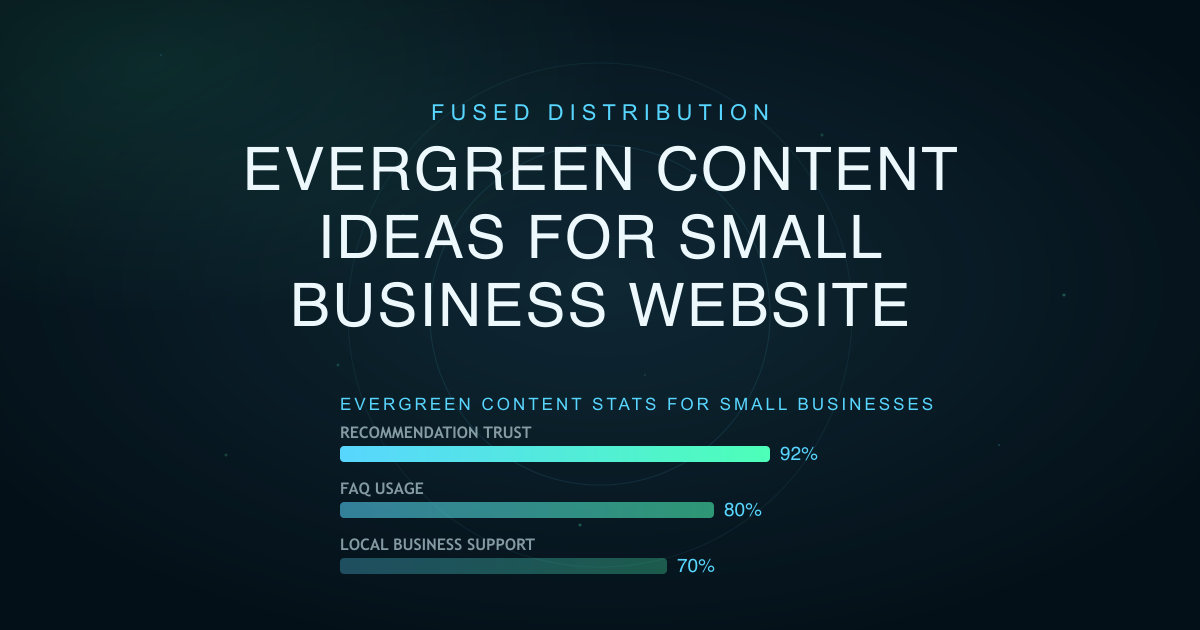
- Local Business Preference: 70% of consumers prefer to support local businesses.
- YouTube Searches: 4.2 billion searches are performed on YouTube every month.
- FAQ Usage: 80% of consumers use FAQs to find answers before contacting customer support.
- Review Influence: 67% of consumers read at least three product reviews before making a purchase.
- Recommendation Trust: 92% of consumers trust recommendations from friends and family over all other forms of advertising.
- Content Sharing: 70% of marketers say that sharing valuable content is essential to their strategy.
- Content Purchase Influence: 68% of consumers are more likely to purchase from a brand that provides helpful content.
Actionable Steps:
- Brainstorm: List 20-30 questions your customers frequently ask.
- Prioritize: Choose 5-10 questions to answer in detail.
- Create: Develop comprehensive, informative content for each question.
- Promote: Share your content across your website, social media channels, and email list.
- Update: Regularly review and update your evergreen content to ensure it remains accurate and relevant.
Let’s continue building a strong online presence for your small business. Don’t just create a website - build a resource. Ready to take the next step? Schedule a free consultation with Fused Distribution today to discuss your website design and SEO needs. [LINK: https://www.fuseddistribution.com/contact]
Related
- How Often Should a Small Business Blog?
- Content Marketing Ideas For Local Businesses: Stop Guessing, Start Getting Found
- Blogging For Small Business Does It Work
Read next: How Often Should a Small Business Blog?