Are you a small business owner tired of throwing marketing dollars at things that don’t translate into local customers walking through your door? You’re not alone. Many small businesses struggle to see a return on their marketing investments, and a lot of that comes down to a misunderstanding of how people actually search for your services. Blogging for small business does work, but not in the way most people think. It’s not about churning out lengthy articles for an audience that might never read them. It’s about directly answering the questions your local customers are typing into Google right now. We’ve helped countless local businesses cut through the marketing noise and get found online, and we’re going to show you how. Let's ditch the vanity metrics and focus on real, tangible results - specifically, getting those phone calls.

Why Blogging Isn’t About Vanity Metrics
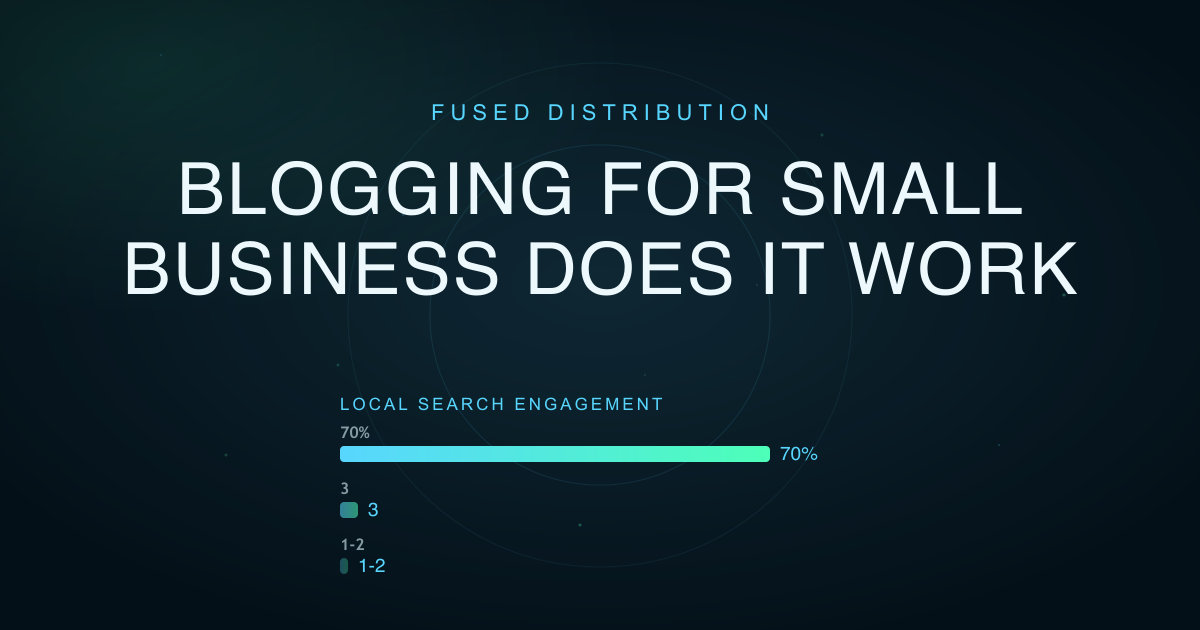
Let’s be honest: most small business owners get caught up in the trap of tracking metrics that don’t actually reflect business growth. Website clicks, social media likes, and blog post views - they all look good on a spreadsheet, but they don’t necessarily translate into new customers. The key is to shift your focus from these vanity metrics to what truly matters: calls, leads, and ultimately, revenue. Blogging should be a strategic tool to drive those results, not a vanity project. A recent study found that 70% of local searches result in a phone call, highlighting the importance of optimizing your content for voice searches. Don’t waste your time chasing likes if you’re not getting calls.
How to Answer the Questions Your Customers Are Asking
The most effective blog posts aren’t about industry trends or complex marketing theories. They’re about answering the specific questions your potential customers are asking when they’re searching for your services. Think about the problems you solve. What are people struggling with in your area? What questions do they have? For example, if you own a landscaping business in Austin, Texas, someone searching “drainage problems Austin” is looking for a solution, not a detailed explanation of different types of irrigation systems. Instead, write about common drainage issues in Austin, how to identify them, and the steps you take to fix them. This approach directly addresses their pain points and positions you as an authority. You’ll also want to consider the local dialect and terminology. “Drainage problems” might be “water issues” in some parts of the city.

Local SEO: Connecting Your Blog to Your Google Business Profile
Google loves to see that your website and your Google Business Profile (GBP) are aligned. A well-written blog post that addresses a local search query will naturally feed into your GBP, providing Google with valuable information about what you do and for whom. When someone searches for “best pizza near me,” your blog post about “the best pizza places in {Your Town}” can signal to Google that you’re a relevant local business. Ensure that the information in your blog post mirrors the details in your GBP - address, phone number, services offered. This creates a strong, cohesive signal for Google.
Consistency Beats Posting Huge Chunks of Content
Don’t think you need to write a 2,000-word epic every month to see results. Consistency is far more important than volume. Aim to publish 1-2 high-quality, local blog posts per week. A steady stream of relevant content keeps Google seeing you as active and engaged in your community. It’s better to publish three helpful articles a month than one massive post that sits gathering dust. Consider a content calendar to plan your topics and schedule your posts. Think of it as a regular, reliable presence in your customers' search results.
What Kind of Content Actually Gets You Found Locally
Let’s get specific. When you’re writing your blog posts, focus on answering exact local search queries. Don’t write generic articles about your industry. Instead, write about the specific problems you solve in your area. “How to fix a leaky faucet in {Your City}” is far more effective than “Tips for Plumbing.” “Best dog groomers in {Neighborhood}” is better than “Dog Grooming Services.” Think about the common questions you hear from customers and address them directly in your blog posts. This demonstrates that you understand your local market and the needs of your customers. For example, if you’re a roofing contractor, you might write about “common roof problems in {Your State}” or “how to prepare your roof for winter in {Your Region}.” You can even create a list of the most common roofing issues you encounter in your area.
Measuring What Matters: Calls vs. Clicks
It’s crucial to track the right metrics. Don’t get caught up in chasing website clicks if they’re not translating into calls. While website traffic is important, it’s not the ultimate goal for most small businesses. Focus on measuring the number of calls you receive as a direct result of your blog content. Use Google Analytics to track which blog posts are driving the most calls. If you’re not getting calls, your content isn’t local enough. It’s not targeting the right questions. It’s not connecting with your local audience.
Blogging vs. Other Marketing Tactics
Blogging isn’t a replacement for other marketing tactics, but it’s a powerful complement. Don’t think you can rely solely on blog posts to drive business. Combine your blog with other strategies, such as Google Business Profile optimization, social media marketing, and local directory listings. However, blogging offers a unique advantage: it’s a cost-effective way to improve your local search ranking and drive organic traffic to your website. It’s also a great way to establish yourself as an authority in your industry. Don't waste money on expensive advertising campaigns if you're not optimizing your online presence for local search.
The Simple Steps to Start Blogging for Local Search
- Brainstorm Local Search Queries: Make a list of the questions your potential customers are asking when they’re searching for your services.
- Create a Content Calendar: Plan your blog posts in advance, focusing on answering those local search queries.
- Write High-Quality, Local Content: Address specific problems and offer actionable advice.
- Optimize for Google Business Profile: Ensure your blog content aligns with the information in your GBP.
- Track Your Results: Monitor your calls and website traffic to see what’s working.
Ready to stop guessing and start seeing real results from your marketing efforts? We specialize in helping local businesses get found on Google. Contact us today for a free consultation and let’s build a strategy that drives calls and customers to your door.