
Choosing between silver bars and silver coins is a common dilemma for new and intermediate investors looking to enter the precious metals market. Both silver bars and silver coins are excellent avenues for accumulating silver, but they offer distinct advantages depending on your investment goals, storage needs, and liquidity requirements. We stock both products here at Fused Distribution because we understand that every investor has a unique strategy. In short, the better option for you depends entirely on whether you prioritize long term storage, ease of trading, or immediate accessibility.
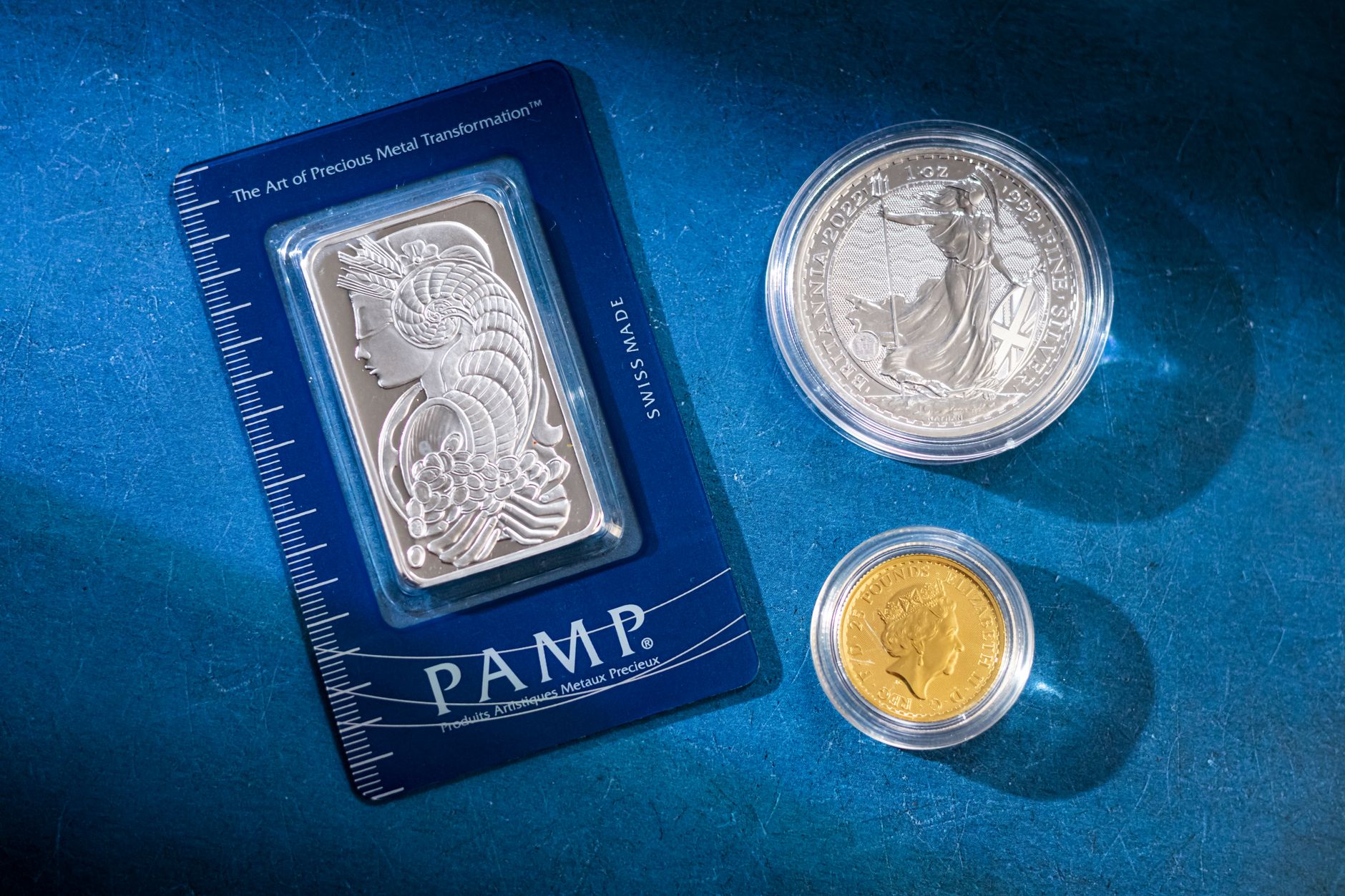
Silver bars are often favored by investors who are looking for a tangible, secure, and relatively easy-to-store asset for long term holding. They offer a more standardized investment unit, which can simplify portfolio management. Conversely, silver coins provide excellent liquidity, making them ideal for investors who want the flexibility to buy and sell quickly in the short term. We will break down the key differences between these two forms, explore the pros and cons of each, and provide our expert recommendation on which format aligns best with your specific investment profile. Get ready to make an informed decision about your silver holdings.
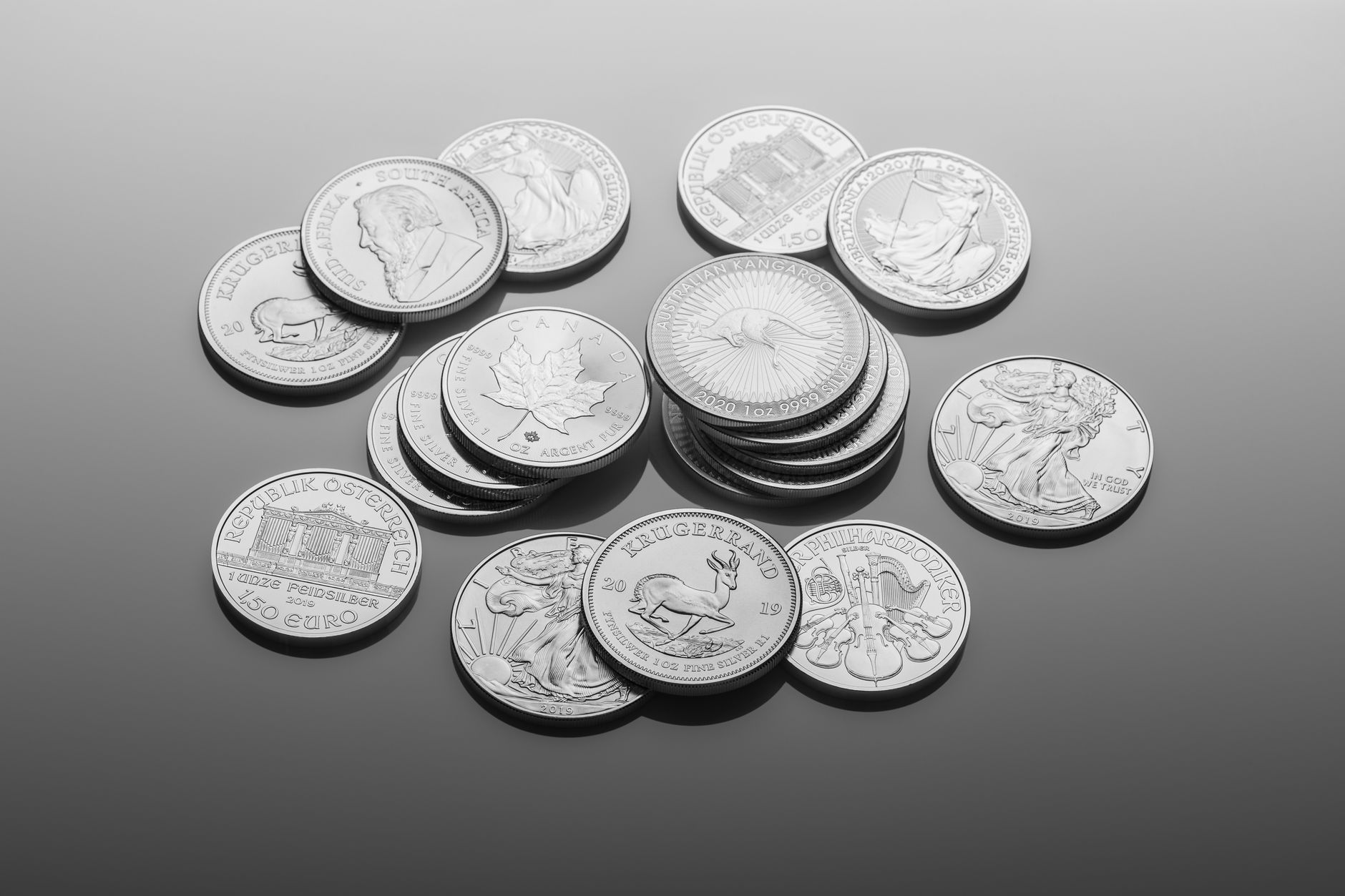
Silver Bars vs Silver Coins: Understanding the Core Difference
We stock both silver bars and silver coins because while both are excellent ways to invest in precious metals, they offer distinct advantages for different investors. The fundamental difference lies in form and liquidity. Silver coins are easily divisible and offer immediate, tangible value, making them popular for smaller investors looking for accessible entry points into silver.
Silver bars, on the other hand, represent a larger, more concentrated investment. They are often favored by investors who prefer a more substantial holding and are looking for a stable, long-term asset. Bars can sometimes offer different price movements compared to the volatile market for individual coins.
Ultimately, the better option depends entirely on your investment strategy. If you prioritize easy trading and smaller allocations, coins might be ideal. If you are building a significant, long-term portfolio, we recommend exploring silver bars for their concentrated investment potential. We advise consulting with a financial advisor to determine which format aligns best with your goals.
What Makes Silver Bars and Silver Coins Different?
What Makes Silver Bars and Silver Coins Different?
We stock both silver bars and silver coins because they offer distinct investment profiles. Silver coins, like American or Canadian silver dollars, are generally more accessible for retail investors. They are easy to buy, hold, and trade, making them a popular entry point into silver investing. They offer liquidity, meaning you can easily convert them into cash.
Silver bars, on the other hand, represent a more tangible asset. Bars are typically invested in bulk, which can offer different price movements than individual coins. Many investors prefer bars for long term holding strategies, as they provide a solid physical representation of the silver you own.
The choice between bars and coins depends entirely on your investment goals. If you are looking for easy entry and frequent trading, coins might be ideal. If you are focused on long term accumulation and physical asset holding, we recommend exploring silver bars for a more substantial investment. We advise consulting with a financial advisor to determine the best fit for your portfolio.
Comparing Investment Vehicles: Liquidity and Storage
Comparing Investment Vehicles: Liquidity and Storage
When considering silver investments, the choice between silver bars and silver coins often comes down to your investment goals regarding liquidity and storage. We stock both options, and understanding the differences is key to making the right decision for your portfolio. Silver bars offer a more standardized, bulkier investment. This format can sometimes simplify large-scale transactions and is often favored by investors looking for a tangible, easily quantifiable asset.
Silver coins, on the other hand, provide a different level of accessibility. They are generally easier to trade and move quickly, which enhances liquidity for investors who might need to access their funds sooner. However, coins can sometimes present storage challenges depending on the quantity you hold.
We recommend assessing your specific needs. If you prioritize easy trading and quick access to your investment, coins might be a better fit. If you are looking for a more traditional, tangible store of value that is easy to manage in larger quantities, silver bars present a compelling alternative. We are here to help you navigate these choices.
Which Form of Silver Offers Better Investment Potential?
Which Form of Silver Offers Better Investment Potential?
We stock a wide variety of silver products, and understanding the difference between silver bars and silver coins is key to making the right investment choice. Both offer exposure to the value of silver, but they cater to different investor needs and risk profiles.
Silver bars are generally favored by investors looking for a more tangible, bulkier asset. They offer a straightforward way to accumulate a significant amount of silver, often appealing to those who prefer physical holdings and long term accumulation strategies.
Silver coins, on the other hand, provide a more accessible entry point for beginners. They are easier to purchase in smaller denominations, making them a great option for those starting their precious metals journey. We recommend assessing your investment goals and how you plan to hold the silver to determine whether the stability of a bar or the liquidity of coins aligns best with your strategy. For more on this, see Johnson Matthee Silver Bars Guide.
Analyzing the Cost-Effectiveness of Silver Bars Versus Coins
Analyzing the Cost-Effectiveness of Silver Bars Versus Coins
When considering silver investment, a common question arises: should you opt for silver bars or silver coins? At Fused Distribution, we stock both options, and understanding the differences is key to making the right choice for your portfolio. Silver bars offer a more concentrated investment, often providing a higher intrinsic value per ounce due to their standardized weight and purity. This format is particularly appealing to investors looking for a tangible, secure store of value.
Conversely, silver coins provide excellent liquidity. They are easier to buy, sell, and trade in the secondary market, which can be beneficial for investors who want flexibility. However, the price per ounce of a coin might be slightly lower than that of a comparable bar, depending on the specific coin type and market demand.
We recommend that beginners focus on the accessibility of coins for initial exposure, while intermediate investors might find the stability and potential for higher returns in silver bars more attractive. We advise you to assess your investment goals and risk tolerance before deciding which form of silver best suits your strategy.
Risk Assessment: Evaluating the Security of Each Form
We stock both silver bars and silver coins, and understanding the security implications is crucial for any investor. Silver bars generally offer a different risk profile compared to silver coins. Bars are typically held in a more standardized, bulk form, which can sometimes present different logistical considerations for storage and insurance purposes.
Silver coins, on the other hand, carry inherent risks related to their physical condition and potential for tampering or loss. While they offer a tangible, collectible asset, their value can be affected by the specific minting and grading of the coin.
When assessing security, we recommend considering the storage environment for both. For long-term holding, the stability of the bar format might appeal to some, whereas coins are often favored for their intrinsic collectible value. We advise you to weigh your investment goals against the specific security features of the form you choose.
How to Choose Silver Bars or Silver Coins for Your Portfolio
We stock a wide variety of silver products, and understanding the difference between silver bars and silver coins is the first step in building a smart precious metals portfolio. Both assets offer exposure to the silver market, but they serve different investment purposes. Silver coins are excellent for collectors and those who prefer a tangible, portable asset. They offer a lower entry point and are easy to store and trade.
Silver bars, on the other hand, are often favored by investors looking for a more substantial holding. Bars provide a direct representation of the metal's intrinsic value and can be more suitable for long-term, institutional-style investments. They offer a different liquidity profile compared to coins.
We recommend considering your investment goals. If you are a beginner looking for accessibility and diversification, coins might be a great starting point. If you are focused on long-term growth and holding significant amounts, silver bars offer a solid, tangible foundation for your wealth. We advise consulting with a financial advisor to tailor the best strategy for your specific situation.
Our Recommendation: Which Silver Form is Best for Beginners?
Our Recommendation: Which Silver Form is Best for Beginners?
When starting your journey into silver investing, choosing between silver bars and silver coins can feel overwhelming. At Fused Distribution, we stock both forms, but for beginners, we strongly recommend starting with silver coins. Coins offer a more accessible entry point into the silver market. They are generally easier to buy in smaller quantities, which allows you to test the waters without a significant initial investment.
Silver bars, while offering a different investment profile, often require a larger commitment. They are excellent for long term holding and for investors who prefer a more tangible asset. However, for someone new to precious metals, the immediate liquidity and lower barrier to entry provided by coins make them a safer and more manageable first step.
We stock a variety of coin denominations to suit different budgets. By beginning with coins, you can gain familiarity with the silver market, understand price fluctuations, and build confidence before considering the larger investment in silver bars. This approach helps new investors build a solid foundation for their precious metals portfolio.
Related
- How To Buy Silver Coins At Spot Price
- Johnson Matthee Silver Bars Guide
- Silver Panda Coins From China: A Complete Guide
Read next: How To Buy Silver Coins At Spot Price