You need a straightforward way to build a physical silver reserve. Fused Distribution cuts through the noise. We ditch the dealer markup games and confusing premiums. You get clear pricing and simple steps. Ready to see how? Reserve your first step at /reserve/.
Understanding the Core: Weight, Purity, and Metal Content
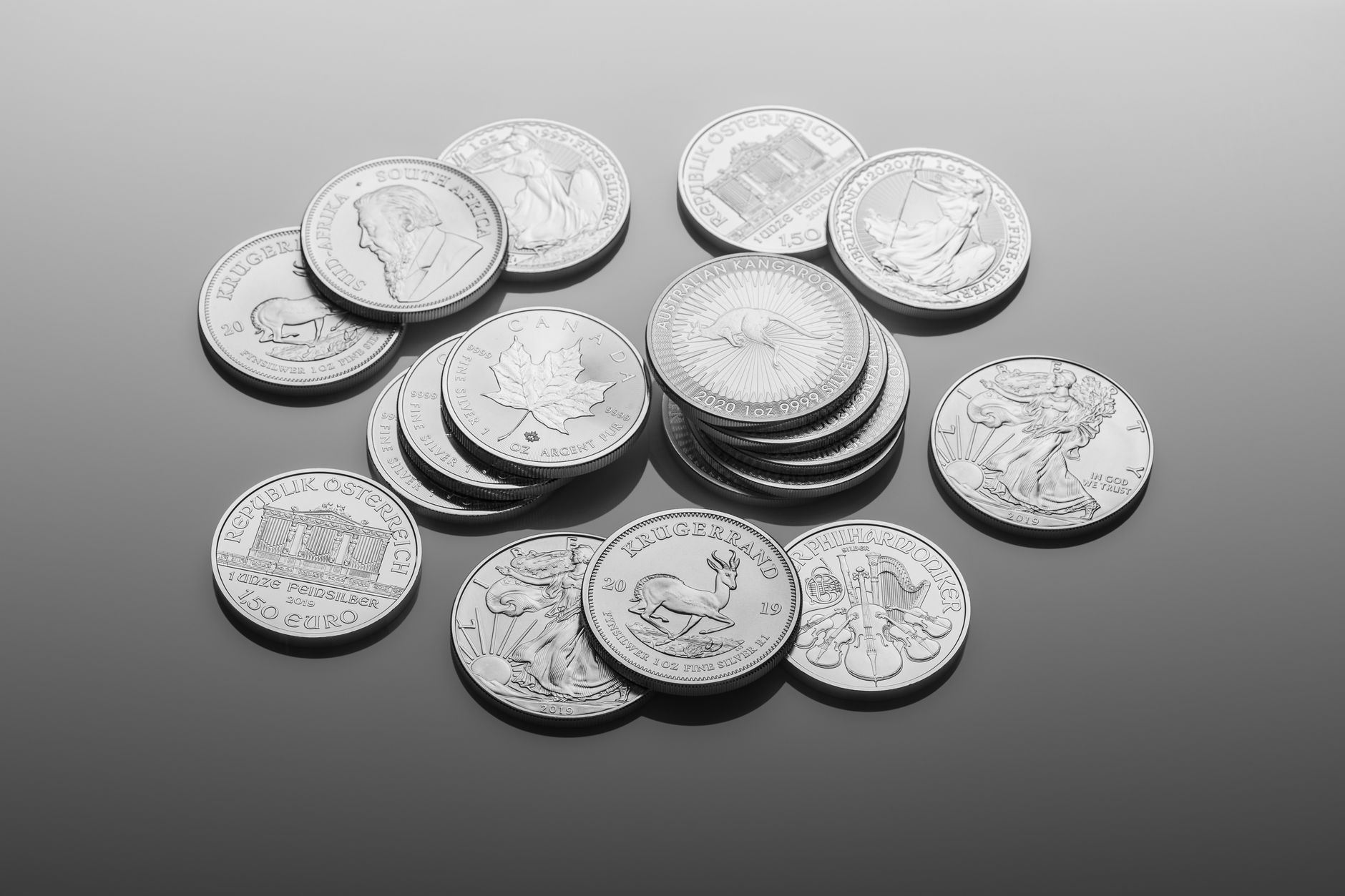
Let’s start with the fundamentals. Owning silver isn’t just about the total ounces you think you have; it’s about understanding precisely what you possess. You need to track three critical pieces of information: weight, purity, and metal content. These aren’t interchangeable. Weight refers to the physical mass of the silver - how much silver is actually in the bar, coin, or round. Purity, often expressed as a percentage (e.g., 99.9% or .999), indicates the proportion of pure silver in the item. Anything less than .999 is considered “fineness” and represents a mixture of silver and other metals like copper or zinc. Finally, metal content is the actual amount of silver present, calculated based on the item’s weight and purity. For example, a 1-ounce silver round with a purity of .999 contains 0.999 ounces of silver. Tracking all three numbers provides a complete picture of your holdings and their value. Without this granular detail, you’re essentially guessing. A simple spreadsheet is your best friend here, and we recommend using Google Sheets or Microsoft Excel for easy tracking.
Strategic Storage: Protecting Your Investment from the Elements
Where you store your silver dramatically impacts its long-term value and condition. Silver is sensitive to environmental factors, and improper storage can lead to tarnishing, corrosion, and even loss. Avoid storing your silver in damp basements, attics, or garages - these areas are prone to humidity, temperature fluctuations, and pest infestations. Humidity is a major enemy, accelerating tarnishing and weakening the metal. Pests, like rodents and insects, can chew through silver, causing significant damage. Consider a cool, dark, and dry location, such as a closet or a storage container designed for precious metals. A sealed container with desiccant packets (which absorb moisture) provides an extra layer of protection. Aim for a temperature between 65°F and 77°F (18°C and 25°C) and a relative humidity below 50%. Investing in a small dehumidifier for your storage area can be a worthwhile precaution, especially in humid climates. Regularly inspect your storage area for signs of pests - droppings, gnaw marks, or unusual activity.
Valuing Your Collection: Comparing Purchase Price to Current Market Rates
Don’t get caught up in daily price fluctuations. While silver prices can be volatile, focusing on long-term trends and comparing your purchase price to the current market rate provides a more accurate assessment of your investment’s performance. Establish a baseline: record the purchase price of each piece of silver, including the date, dealer, and any fees. Then, regularly check the spot price of silver - you can find this information on reputable financial websites like Kitco.com or Bloomberg.com. The spot price is the current market price for one troy ounce of silver. Calculate the value of your collection based on its weight and purity, using the current spot price. For example, if you own 10 ounces of silver with a purity of .999, and the spot price is $30 per ounce, your collection is worth $300 (10 ounces * $30/ounce). Don’t chase short-term gains based on daily price swings. Instead, focus on the overall trend and the difference between your purchase price and the current market value. A consistent difference of $5 or more per ounce over a significant period indicates a profitable investment.
Maintaining a Detailed Record: Transaction History for Informed Decisions
Documenting every purchase is crucial for tracking your silver collection’s performance and making informed investment decisions. Create a spreadsheet or use a dedicated inventory app to record the following information for each piece of silver: date of purchase, dealer name, item description (e.g., “1-ounce American Eagle Silver Coin”), weight, purity, metal content, purchase price, and any associated fees. This transaction history provides a valuable record of your collection’s evolution over time. Analyzing this data can reveal patterns, such as the best times to buy silver or the dealers that consistently offer the most competitive prices. It also helps you assess the overall profitability of your investment. If you’ve consistently purchased silver at a price significantly below the spot price, you’re likely benefiting from a long-term investment strategy. This record is also essential for tax purposes. Keep all receipts and invoices organized and readily accessible.
Assessing Your Collection’s Value Over Time: A Long-Term Perspective
Don’t treat silver as a short-term trading vehicle. A more effective approach is to view your collection as a long-term investment. Regularly (at least quarterly) review the value of your holdings against your original purchase prices. This will reveal whether you’ve realized a profit or incurred a loss. Consider the impact of inflation and the potential for future price appreciation. While predicting the future is impossible, historical data suggests that silver has generally performed well over the long term. However, it’s important to acknowledge that silver prices can fluctuate significantly, and there’s always a risk of loss. A diversified portfolio that includes other assets can help mitigate this risk. Focus on building a stable and sustainable silver reserve that you can comfortably maintain over the long term.
Secure Ownership: Insurance and Professional Guidance
While physical silver storage is important, it’s equally crucial to protect your investment through insurance and professional guidance. Consider purchasing a homeowner’s or renter’s insurance policy that covers valuable items, including silver. However, standard policies may not provide adequate coverage for precious metals. You may need to obtain a separate rider or endorsement to specifically cover your silver collection. Contact your insurance agent to discuss your options. We recommend consulting with a trusted precious metals distributor, like Fused Distribution, for advice on secure storage and insurance. They can provide valuable insights into the best practices for protecting your investment and navigating the complexities of precious metals ownership. They can also help you understand the different types of insurance available and choose the policy that best meets your needs. Don’t hesitate to seek professional guidance - it’s an investment in the security of your collection.
Next Steps for Secure Ownership: A Practical Roadmap
Let’s solidify your strategy. First, you need a clear inventory. This means accurately determining the weight, purity, and metal content of every piece of silver you own. Use a digital scale for precise weight measurements and consult reputable sources to verify the purity of your coins and bars. Second, prioritize secure storage. Invest in a climate-controlled environment - a cool, dry space away from direct sunlight and potential pests. Third, establish a regular valuation routine. Check the spot price of silver at least once a month and compare it to your purchase prices. Fourth, maintain meticulous records. Document every transaction, including the date, dealer, item description, weight, purity, metal content, and purchase price. Finally, explore insurance options. Contact your insurance provider or a specialized precious metals insurer to ensure your collection is adequately protected. Remember, building a secure silver reserve is a long-term process. Start small, be consistent, and prioritize security. Ready to start building your physical reserve? Reserve your first step at /reserve/.
Related
- Home Safe vs. Safety Deposit Box: The Smart Choice for Protecting Your Silver Investment
- How To Store Silver At Home Safely
- Silver Market Outlook 2026: What Analysts Say
Read next: Home Safe vs. Safety Deposit Box: The Smart Choice for Protecting Your Silver Investment