Building a silver reserve is a smart move for any investor seeking a tangible asset with potential long-term value. At Fused Distribution, we understand the importance of secure storage and straightforward pricing. We cut out the dealer markup games and confusing premiums, offering you real silver at real prices. But where should you keep your silver? The choice between a home safe and a safety deposit box hinges on your individual needs, risk tolerance, and how frequently you anticipate needing access to your investment. This guide breaks down the critical differences, offering actionable advice to help you make the best decision for your silver reserves.
Understanding the Core Difference: Control vs. Security
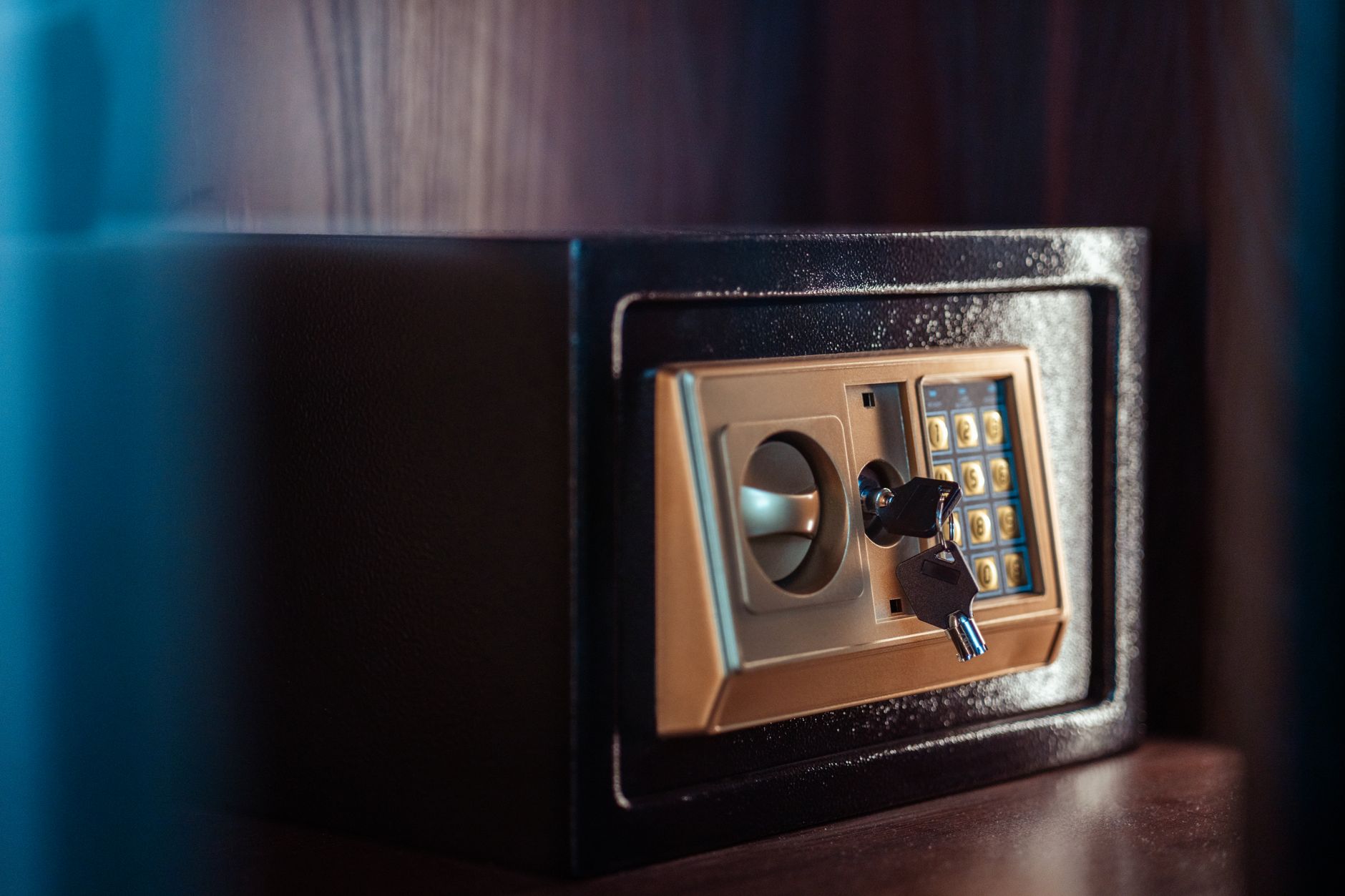
The fundamental distinction lies in control. A home safe places you firmly in charge of your silver. You dictate who has access, when access is granted, and where the asset is physically located. This direct control offers a sense of security and peace of mind that’s hard to replicate. Conversely, a safety deposit box prioritizes security above all else. It’s a secure vault managed by a bank, offering a high level of protection but limiting your immediate access. You’re essentially entrusting your silver to a third party, relying on their security protocols and insurance coverage. Think of it this way: a home safe is about your security, while a safety deposit box is about the bank’s security.
Security Deep Dive: How Each Option Protects Your Silver
Let’s examine the security aspects of each choice in detail. A home safe, when chosen wisely, provides reliable physical protection. You select the safe’s size, fire rating, and locking mechanism, ensuring it meets your specific needs. You maintain the key, granting access only to those you trust. This level of control is difficult to match with a safety deposit box. However, a poorly chosen home safe - one that’s easily compromised - can be just as vulnerable as a poorly secured bank vault. Safety deposit boxes, on the other hand, offer layers of protection beyond just physical security. Banks typically employ advanced surveillance systems, biometric access controls, and 24/7 monitoring. They also carry insurance coverage for the contents stored within. However, you’re reliant on the bank’s security measures and their insurance policy. It’s crucial to carefully review the bank’s security protocols and understand the scope of their coverage. For example, a standard safety deposit box policy might cover theft, but it might not extend to damage caused by natural disasters like flooding. Always ask for a detailed copy of the insurance policy and understand any potential exclusions. Silver’s stability is also influenced by environmental factors. Humidity and temperature fluctuations can corrode silver over time. A home safe stored in a climate-controlled room offers a significant advantage in mitigating these risks. Similarly, a safety deposit box in a basement or other unconditioned space could accelerate silver degradation. Consider the storage environment carefully, regardless of your chosen option.
Accessibility Check: How Often Do You Need to Access Your Silver?
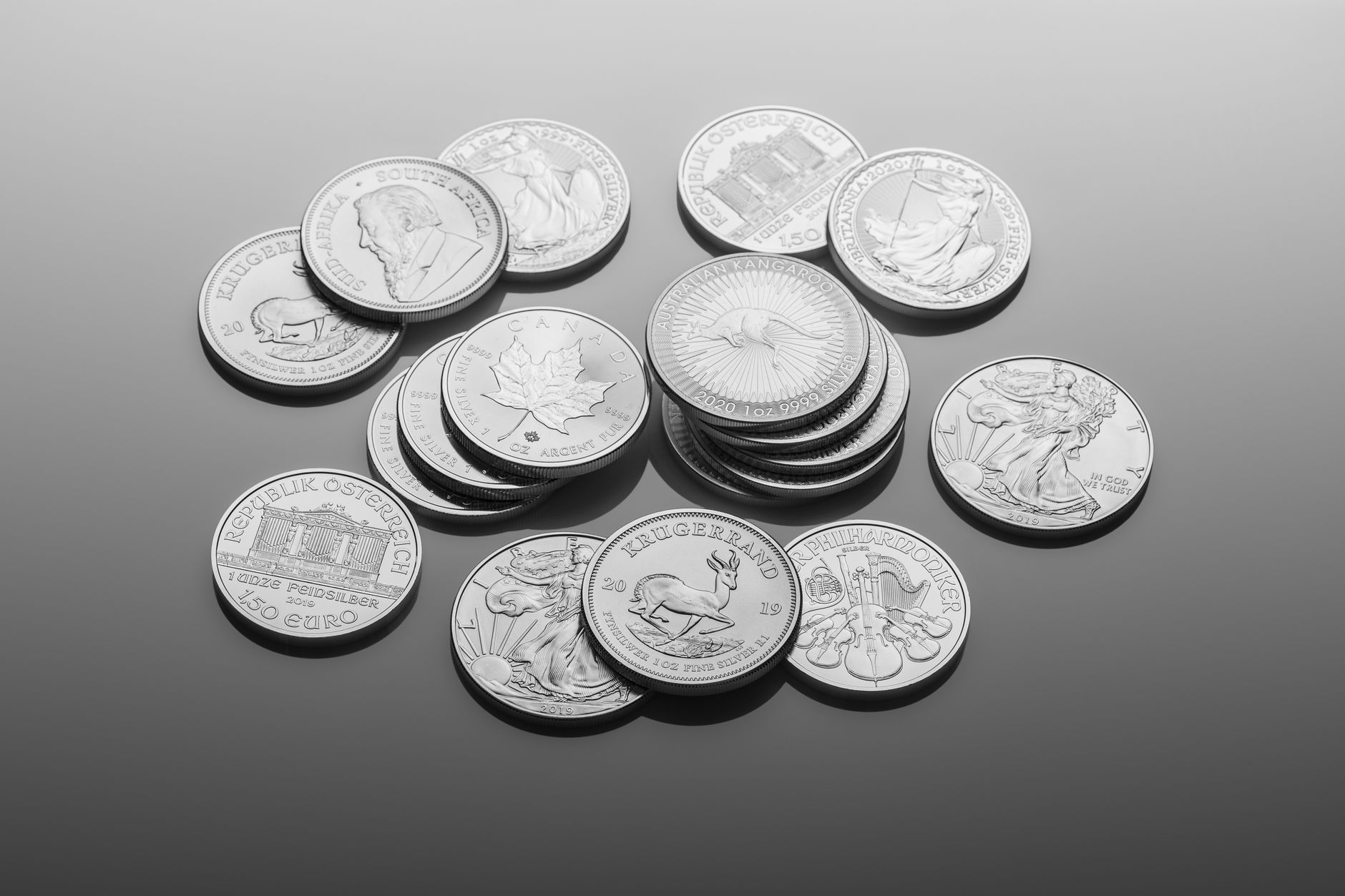
This is a critical consideration. If you anticipate needing to access your silver frequently - for example, to sell a portion for trading - a home safe is likely the better choice. You can readily retrieve your silver whenever you need it. However, if you plan to hold your silver as a long-term investment and rarely require access, a safety deposit box might be sufficient. The convenience of immediate access is a significant trade-off for the added security. Think about your investment strategy. Are you a day trader who needs to liquidate positions quickly? Or are you a long-term investor focused on preserving value? Your access needs will heavily influence your storage decision. Don’t assume you’ll always need access; consider the potential future scenarios and choose the option that best aligns with your anticipated needs.
Cost Breakdown: Comparing Long-Term Ownership
The total cost of ownership extends far beyond the initial purchase price of the silver. Storage costs are a significant factor, and the difference between a home safe and a safety deposit box can be substantial. Home safes come in a wide range of prices, from relatively affordable models to high-end, armored vaults. Factor in the cost of installation, which may require professional assistance. Safety deposit boxes involve monthly rental fees, typically ranging from $50 to $150 per year, depending on the bank and location. These fees can add up over time, especially if you choose a larger box. Also, there may be additional charges for things like insurance premiums or special handling services. Beyond the direct costs, consider the potential costs associated with damage or loss. If your home safe is compromised, you’ll be responsible for the cost of repairs or replacement. If your safety deposit box is robbed, you’ll file a claim with the bank, but the process can be time-consuming and complex. A comprehensive cost analysis, including all potential expenses, is essential for making an informed decision. For instance, a high-quality, fire-resistant home safe might cost $1,500 upfront, plus $100 for installation, but it could provide decades of secure storage. A safety deposit box might cost $60 per year, but you’re relinquishing direct control and relying on the bank’s security.
Environmental Considerations: Protecting Silver from Degradation
Silver is a reactive metal and susceptible to damage from environmental factors. Humidity and temperature fluctuations can accelerate tarnishing and corrosion, diminishing the value of your investment. A home safe stored in a climate-controlled environment offers the best protection against these risks. Maintaining a consistent temperature and humidity level is crucial for preserving the quality of your silver. Safety deposit boxes, particularly those located in basements or other unconditioned spaces, may not provide adequate environmental control. The fluctuating temperature and humidity can significantly impact the condition of your silver over time. Consider investing in a dehumidifier or climate control system for your home safe to further protect your investment. Research the typical temperature and humidity levels in the location of the safety deposit box to assess the potential risks.
Choosing the Right Home for Your Reserves: A Practical Guide
Let’s solidify the decision-making process. If you prioritize control, convenience, and the ability to access your silver quickly, a home safe is the clear winner. Invest in a reputable brand with a proven track record of security. Choose a safe that’s appropriately sized for your holdings and offers the features you need, such as fire resistance, tamper-proof locks, and solid construction. Consider a safe with a digital keypad for added security and convenience. If you value security above all else and are comfortable relinquishing direct control, a safety deposit box can be a viable option. Select a bank with a strong reputation for security and a comprehensive insurance policy. Understand the terms and conditions of the box rental agreement and ensure that the coverage adequately protects your investment. Regardless of your choice, remember that security is a layered approach. Don’t rely solely on your storage method to protect your silver. Implement additional security measures, such as a home security system, a safe deposit box key safe, and a reliable inventory system. At Fused Distribution, we believe in transparency and straightforward pricing. We offer a wide selection of silver bullion at competitive prices, eliminating the dealer markup games and confusing premiums. Reserve your spot today at /reserve/ and take the first step toward building a secure and valuable silver reserve. Don't just store your silver; invest in its long-term protection. Looking ahead, advancements in smart home security and biometric access control will likely play a significant role in the future of silver storage. Consider incorporating these technologies into your security plan to enhance the protection of your investment. Also, as the demand for precious metals continues to grow, secure and reliable storage solutions will become increasingly important. Stay informed about the latest trends and technologies to ensure that your silver remains safe and accessible.
Related
- How To Store Silver At Home Safely
- Silver Market Outlook 2026: What Analysts Say
- Electric Vehicle Silver Demand Explained
Read next: How To Store Silver At Home Safely