For most retail investors, 5% to 15% of your total portfolio in silver is a reasonable starting range. If you are new to precious metals, begin at 5%. If you already hold gold and want to add a metal with stronger industrial demand behind it, move toward 10% to 15%. Institutional voices are pushing higher: Sprott executive Steven Schoffstall publicly suggested shifting from the traditional 60/40 model to a 60/20/20 portfolio with 20% allocated to gold and silver combined (Source: FXStreet / Money Metals Exchange). That is aggressive for a beginner, but it signals where serious money is headed.
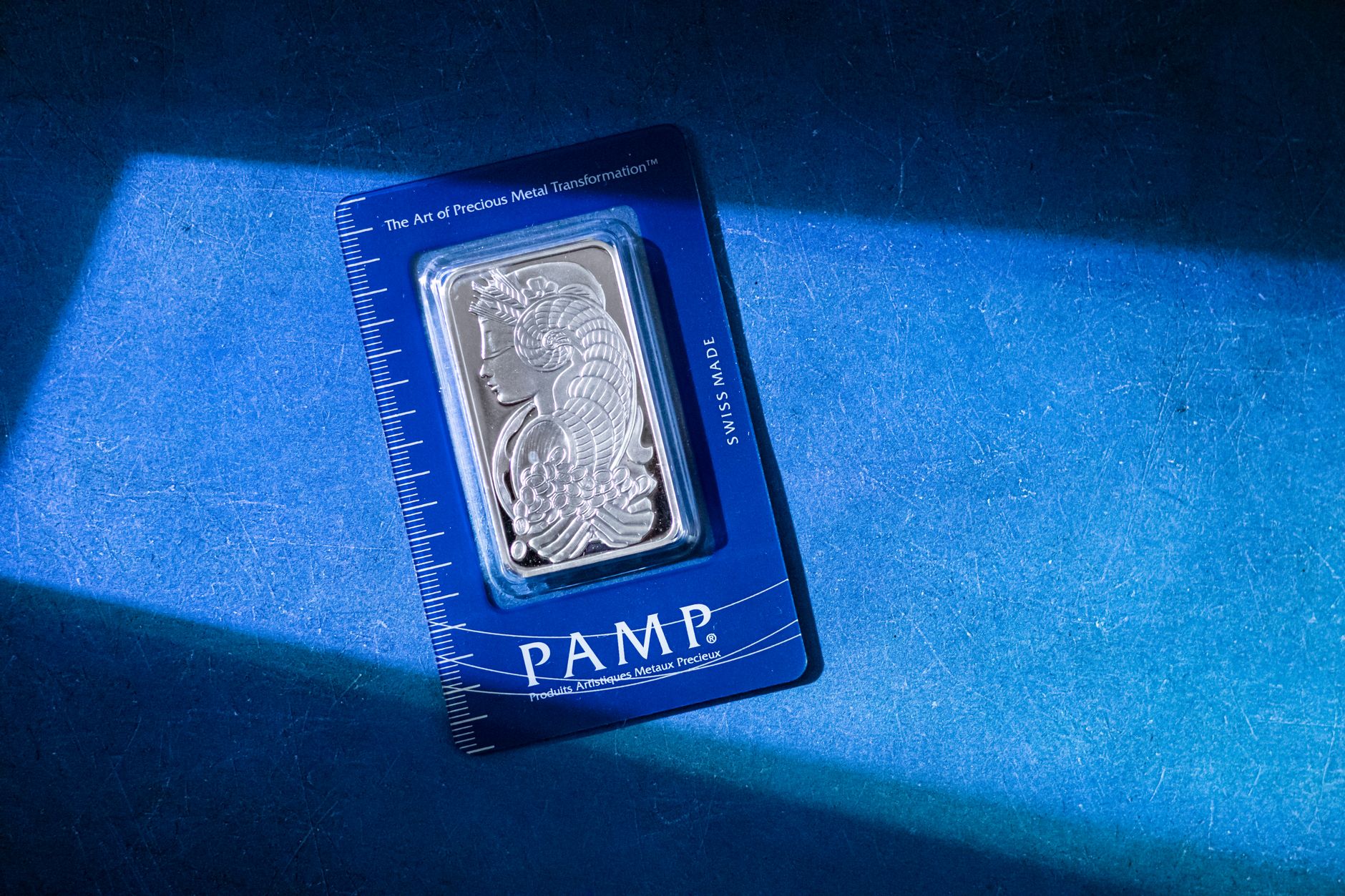
The exact number depends on three things: your investment timeline, your risk tolerance, and whether you already hold other hard assets. The sections below walk you through each one.
Why Silver Allocations Are Being Taken More Seriously Right Now
Silver is not just a hedge anymore. Industrial demand rose 4% in 2024 to 680.5 million ounces, the fourth consecutive annual record (Source: The Silver Institute, World Silver Survey 2025). That demand comes from solar panels, electric vehicles, medical devices, and electronics. It does not evaporate when investor sentiment shifts.
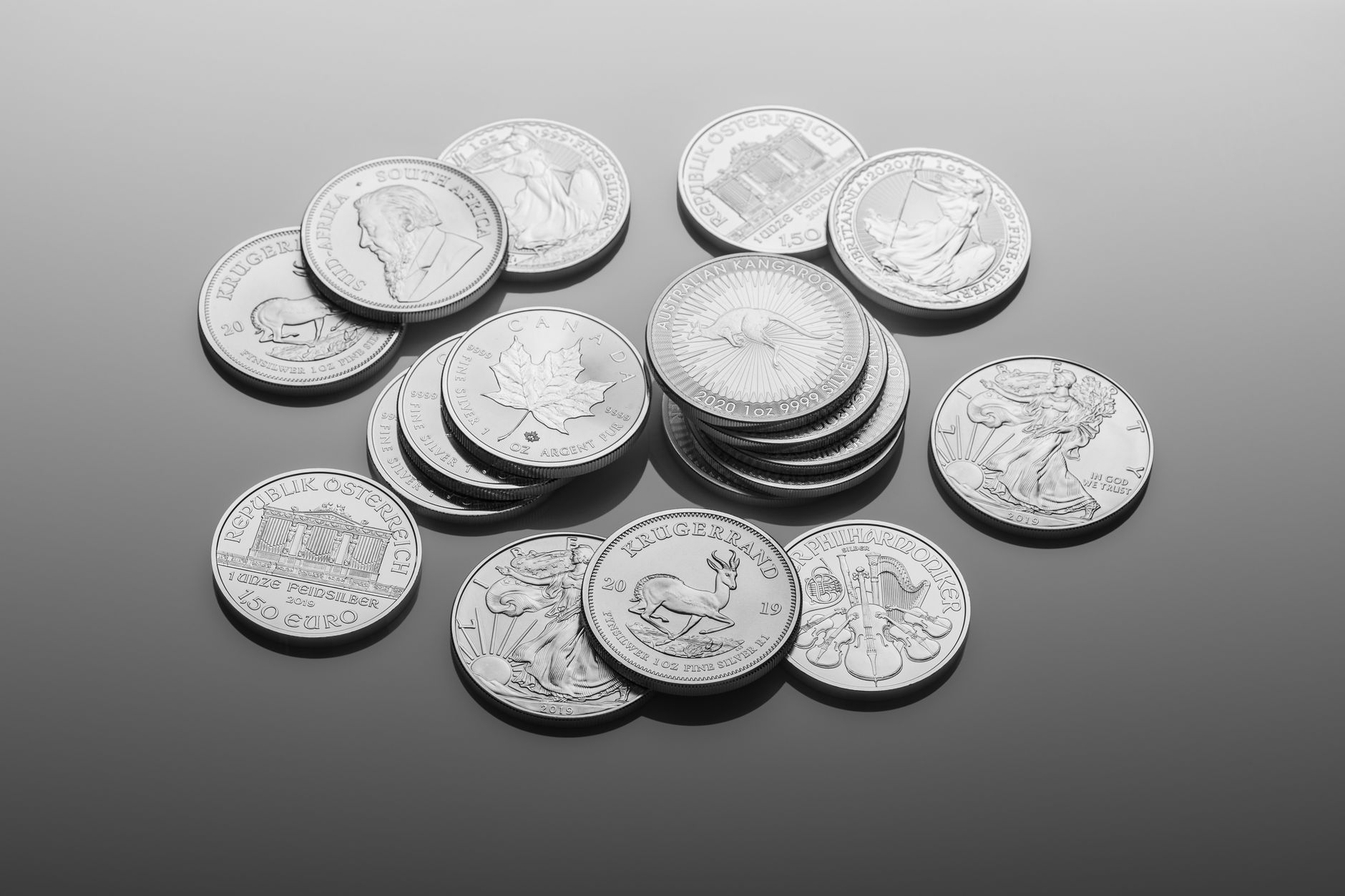
The supply picture makes this more urgent. The global silver market ran a structural deficit of 148.9 million ounces in 2024, the fourth consecutive year demand exceeded supply. From 2021 through 2024, the cumulative deficit reached 678 million ounces, roughly ten months of total global mine supply (Source: The Silver Institute, World Silver Survey 2025). A fifth consecutive deficit of around 95 million ounces is forecast for 2025 (Source: The Silver Institute).
Price followed the fundamentals. Silver bullion rose 144.4% in 2025, fixing just below $72 per ounce at year-end, the sharpest annual jump since 1979 (Source: BullionVault). Investors who held even a modest allocation captured significant gains. Those who waited are now buying at a higher base.
How to Set Your Allocation Based on Your Situation
There is no universal number. Use this framework to find yours.
Starting from zero: Put 5% of your investable portfolio into physical silver. At that level, silver can appreciate sharply without distorting your overall portfolio. If silver drops 30%, you lose 1.5% of total portfolio value. If silver doubles, you gain 5%. Both outcomes are manageable.
Already holding gold: Silver and gold move differently. Silver is more volatile and more tied to industrial cycles. A common ratio among physical holders is 3:1 to 4:1 silver to gold by ounce count, not dollar value. If you own 5 oz of gold, 15 to 20 oz of silver balances your exposure across monetary and industrial demand.
Building long-term: Move your allocation up to 10% to 15% as your confidence grows. Buy in increments rather than all at once. This protects you from buying at a local price peak.
Following institutional guidance: Morgan Stanley CIO Michael Wilson proposed a 20% gold allocation. If you split that between gold and silver, a 10/10 or 12/8 split gives you exposure to both monetary demand and industrial growth (Source: FXStreet / Money Metals Exchange). That is a reasonable model for investors who want more than a token hedge.
What Physical Silver Actually Costs You
Spot price is not what you pay. When you buy physical silver, you pay spot plus a premium. That premium covers minting, distribution, and dealer margin. It varies by product type.
Here is a practical breakdown of premiums over spot you can expect at current market levels:
- 1 oz generic silver rounds: 6% to 10% over spot
- 1 oz American Silver Eagles: 15% to 25% over spot (highest market recognition)
- 1 oz Canadian Maple Leafs: 10% to 18% over spot
- 90% junk silver (pre-1965 US coins): 5% to 12% over spot depending on batch size
- 10 oz bars: 4% to 8% over spot
- 100 oz bars: 3% to 6% over spot
Premiums compress with volume. Buying ten 1 oz coins costs more per ounce than buying one 10 oz bar. If storage is not a constraint, bars give you more metal per dollar spent.
We stock American Silver Eagles, Maple Leafs, and generic rounds at Fused Distribution. We price transparently so you know the exact premium before you commit.
How to Build Your Position Without Chasing the Market
Lump sum buying works in a falling market. Dollar cost averaging works in all markets. For most buyers, averaging wins.
Here is a structure you can follow:
Step 1: Decide your target allocation in dollars. If your portfolio is $50,000 and you want 10% in silver, your target is $5,000.
Step 2: Divide that target into six equal monthly purchases. At $5,000, that is roughly $833 per month. Set a calendar reminder and buy on the same day each month regardless of what the price is doing.
Step 3: Once you hit your target, switch to a maintenance mode. Check your allocation every six months. If silver has appreciated and now represents 15% of your portfolio, pause new purchases. If it drops back to 8%, resume.
This takes emotion out of the decision. Silver moved from roughly $29 to $72 per ounce during 2025. Buyers who averaged in through that move paid far less per ounce than buyers who chased the top.
Choosing the Right Form of Silver for Your Goals
What you buy depends on why you are buying.
For maximum liquidity: American Silver Eagles are the most recognized coin in the US market. Any reputable dealer will buy them back without testing or hesitation. If you might need to sell quickly, Eagles are the easiest exit.
For value per dollar spent: Generic silver rounds and 10 oz bars carry the lowest premiums. You get more ounces for the same spend. Any reputable dealer will verify and buy them, but expect slightly more friction at point of sale compared to Eagles.
For flexibility: A mix of 1 oz coins and a few larger bars gives you options. Coins let you sell in small increments. Bars are efficient to store and economical to buy.
We recommend starting with 1 oz rounds or Eagles for your first purchase. They are easy to understand, easy to sell, and easy to store. Move to bars once you have the process down.
Where to Store Your Silver Before You Buy It
Most buyers figure out storage after their silver arrives. Do it before. Knowing your plan removes a layer of hesitation from the buying decision.
Home storage under $5,000: A small fireproof safe rated for at least 30 minutes of fire resistance works well. Bolt it to a floor joist or wall stud. Photograph every coin and record any serial numbers on bars. Keep copies offsite or in the cloud.
Bank safe deposit box: These run $30 to $100 per year and protect against fire and theft. They do not protect against access restrictions during a financial disruption. Many long-term physical holders avoid them for that reason.
Third-party vault: Services like Brinks or Delaware Depository store allocated silver in your name. Costs run around 0.5% to 1% of value per year. This makes sense for holdings above $25,000 or for buyers without a secure home option.
A practical rule: keep enough silver accessible to matter in an emergency, but spread your holdings across at least two locations once your position grows past $10,000. A combination of home storage and a third-party vault gives you both access and security.
Taking Your First Step Toward a Physical Reserve
Pick a dollar target. Divide it into six monthly purchases. Choose a product type. American Silver Eagles or generic 1 oz rounds are the right starting point for most buyers. Set up your storage solution before your first order arrives.
Revisit your allocation every six months. A position that started at 5% of your portfolio can become 10% after a strong price run. Rebalancing keeps your exposure where you planned it, not where the market happened to leave it.
We stock physical silver at Fused Distribution with clear pricing and no guesswork on premiums. View current inventory and reserve your first purchase at /reserve/.
Related
- Silver Numismatic Coins vs Bullion Coins
- Proof Silver Coins: Worth Buying or Not?
- Silver ETF vs Physical Silver: Which Is Right for Your Portfolio?
Read next: Silver Numismatic Coins vs Bullion Coins