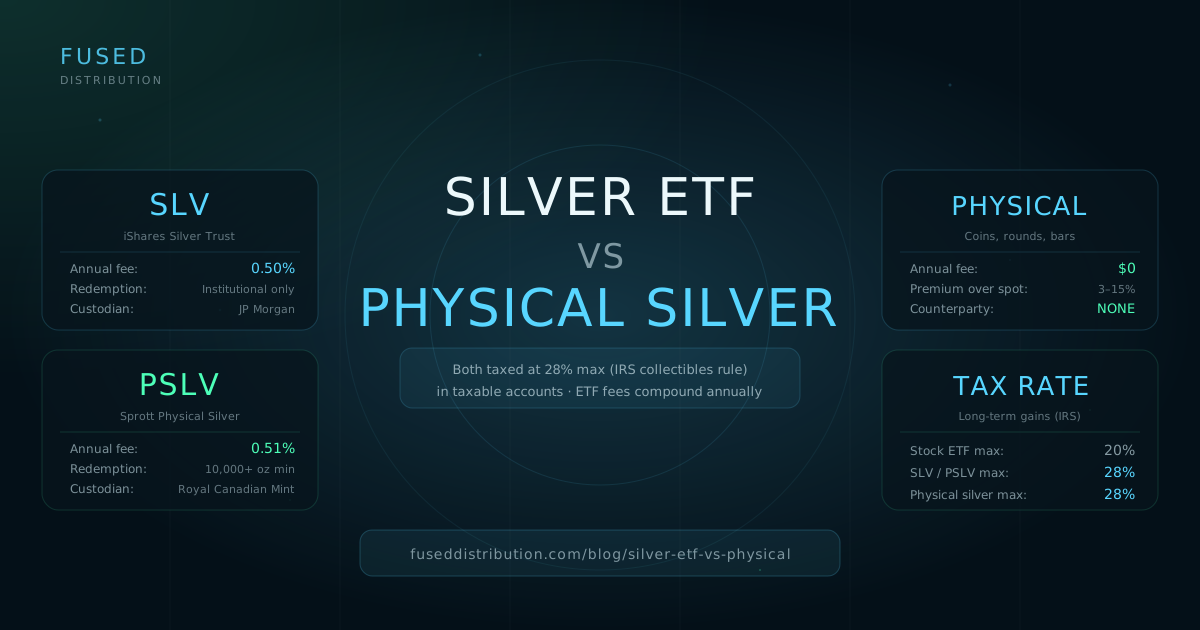
Two people can both own silver exposure and have very different experiences when it comes time to sell. The iShares Silver Trust (SLV) charges 0.50 percent per year in fees and imposes a 28 percent maximum long-term capital gains rate under IRS collectibles rules. Physical silver held in a home safe has no ongoing fees, but costs 3 to 15 percent above spot when you buy and requires secure storage. The right choice depends on why you're buying, how long you plan to hold, and whether you actually want the metal in your hands.
This post breaks down how each option works, where the hidden costs are, and which situations favor each approach. If you're still figuring out how much silver belongs in your portfolio, start with our guide on silver portfolio allocation before deciding on the vehicle.
How Silver ETFs Actually Work
When you buy shares of SLV, you're buying a fractional claim on silver bars held in a custodian's vault, currently JP Morgan in London. Each share represents approximately 0.927 troy ounces of silver as of early 2026, a figure that has declined from 1.0 ounce at inception due to the 0.50 percent annual fee being paid by liquidating a small amount of silver from the trust each year. You don't own specific bars. You own shares in a trust.
That structure works well for traders who want silver price exposure without storage logistics. You can buy 100 shares of SLV with a single brokerage order and sell them any market day. Settlement is standard T+1. No physical handling, no insurance shopping, no storage decisions.
The Sprott Physical Silver Trust (PSLV) is structured differently. Sprott stores the silver in the Royal Canadian Mint, a Crown corporation and government custodial facility rather than a private bank. As of March 2026, PSLV charges 0.51 percent annually, essentially the same as SLV's 0.50 percent. But PSLV allows direct physical redemption for unitholders who meet the minimum redemption threshold. It also carries an important tax advantage for US investors who make the right election, which the next section covers.
For most retail buyers, the practical difference between SLV and PSLV isn't primarily the fee. It's the custodian structure, the physical redemption option, and a meaningful tax distinction explained below.
The Tax Difference That Surprises Most Investors
The IRS classifies silver and other precious metals as collectibles under Section 408(m) of the tax code. Long-term gains on collectibles, meaning positions held over 12 months, are taxed at a maximum rate of 28 percent. Compare that to standard long-term capital gains on stock ETFs, where the maximum rate is 20 percent (plus 3.8 percent NIIT for high earners, for a total of 23.8 percent).
Stock ETF (20% max): $2,000 in tax
Physical silver (28% collectibles rate): $2,800 in tax
Here's the part that catches people: the 28 percent collectibles rate applies to physical silver and to SLV in taxable accounts. The IRS treats gains from SLV as collectibles gains because the ETF holds physical metal. That said, PSLV is structured as a Canadian trust and qualifies as a Passive Foreign Investment Company (PFIC) for US investors. If a US investor makes a Qualified Electing Fund (QEF) election, PSLV gains can be taxed at standard long-term capital gains rates (0, 15, or 20 percent depending on your income) rather than the 28 percent collectibles rate. This is a meaningful advantage but requires paperwork with your annual tax return. Without the QEF election, PFIC default rules apply, which can result in rates higher than ordinary income.
If you hold silver in a self-directed IRA (SDIRA), the tax treatment question becomes less important because gains inside the account are tax-deferred (or tax-free in a Roth). This is one of the strongest arguments for holding physical silver through an SDIRA rather than a taxable account.
Comparing the Real Costs: ETF Fees vs Physical Premiums
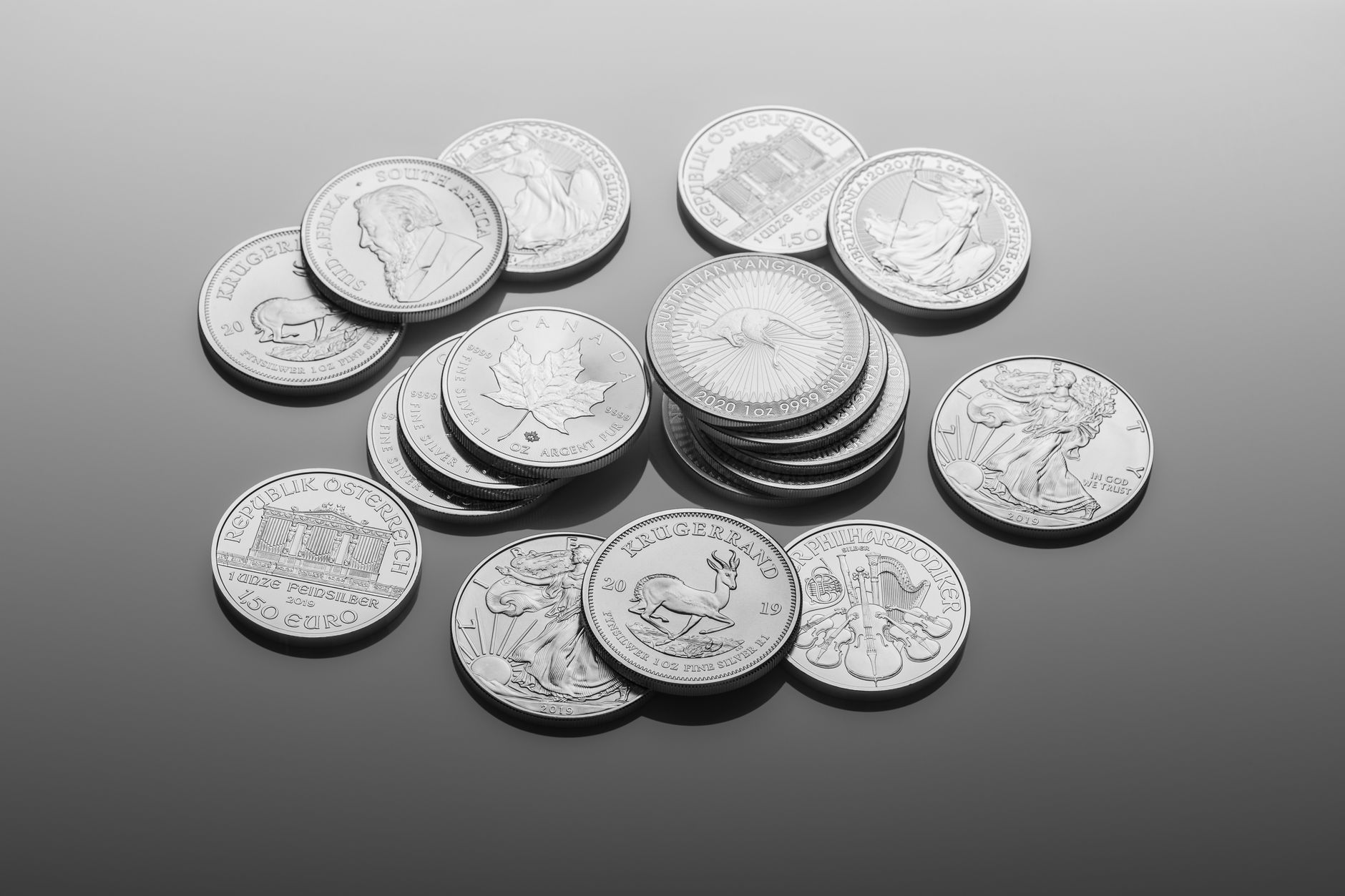
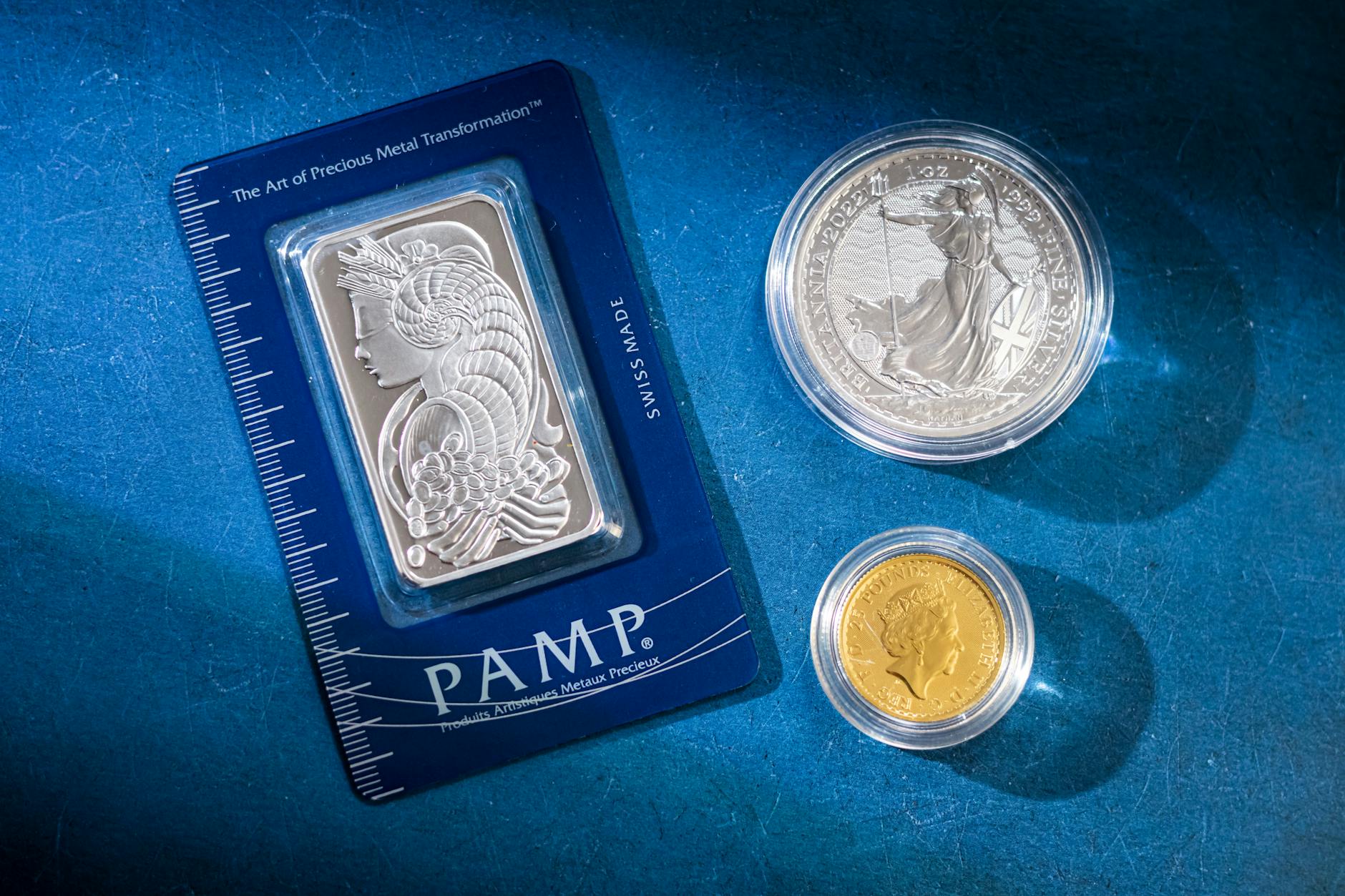
In 2026, with silver spot at approximately $68.53 per ounce (JM Bullion, June 2026), physical silver trades at meaningful premiums above spot. Generic 1-ounce rounds run 4 to 12 percent over spot from major online dealers. One-ounce silver bars carry around 13 percent premiums. American Silver Eagles carry 20 to 30 percent premiums due to the US Mint's authorized purchaser system and collector demand. Larger bars carry lower per-ounce premiums, with 100-ounce bars at roughly 2 to 4 percent.
That upfront premium looks expensive compared to buying SLV at essentially spot. But ETF fees compound. At 0.50 percent per year, SLV costs roughly 5 percent of your original investment over 10 years. PSLV at 0.51 percent is essentially identical in cost. A buyer who paid a 5 percent premium on generic silver rounds and holds for 10 years with zero storage cost has a lower total cost of ownership than either ETF. The premium is a one-time hit. The fee is annual and compounds.
Counterparty Risk: What "Owning Silver" Actually Means
When you hold SLV, the counterparty chain runs from you to the trust, from the trust to the custodian JP Morgan, and potentially from JP Morgan to sub-custodians. Each relationship in that chain is a contractual obligation. In a genuine financial system stress event, the concern isn't whether the silver exists. It's whether you can access or liquidate your claim when markets are disrupted.
Physical silver in a home safe or third-party vault has no counterparty. The metal is yours. No custodian needs to settle a claim. No brokerage account needs to process a redemption. For buyers whose primary motivation for owning silver is as a hedge against systemic financial disruption, physical ownership accomplishes what ETFs cannot. You can sell a silver coin at a local coin shop, a pawn shop, or privately for cash without a brokerage account or functioning financial network.
For context on where to buy physical silver at reasonable premiums, see our comparison of online dealers, coin shops, and private sales. For storage decisions once you own physical, our guide on silver storage options covers home safes, bank safe deposit boxes, and third-party vaults.
Which Should You Choose?
Silver ETFs (SLV, PSLV) make sense when you want pure price exposure in a standard brokerage account, you're actively trading rather than holding long term, or you want silver as a tactical position you'll exit within months. The liquidity and zero-friction entry make them hard to beat for that use case.
Physical silver makes more sense when you're a long-term holder buying for a decade or more, you want to hold in a self-directed IRA where the collectibles tax doesn't apply inside the account, you want a hedge against systemic risk where counterparty relationships matter, or you plan to pass holdings to family as an estate asset. The upfront premium is the main cost, and on a 10-year hold, it's often lower than compounded ETF fees.
Many buyers do both. A small trading position in SLV for market exposure alongside a core physical holding for the other reasons is a practical middle ground. The two don't compete with each other if you're clear about why each position exists.
Frequently Asked Questions
Sources
- iShares Silver Trust (SLV), prospectus and fund overview, retrieved June 2026, ishares.com
- Sprott Physical Silver Trust (PSLV), fund details and redemption terms, retrieved June 2026, sprott.com
- IRS Publication 544, Sales and Other Dispositions of Assets, Section on Collectibles, retrieved June 2026, irs.gov/publications/p544
- IRS Section 408(m), Individual Retirement Accounts, Collectibles definition, retrieved June 2026, irs.gov
- APMEX, spot premium data for coins and bars, retrieved June 2026, apmex.com