Inflation is stealing your money’s value, slowly but surely. You’re working harder, but your paycheck doesn’t buy as much as it used to. It’s a frustrating reality, and one that’s becoming increasingly common. At Fused Distribution, we understand this concern. We stock a wide selection of physical silver bullion, and we recommend it as a proven strategy to safeguard your wealth against the relentless creep of inflation. This isn’t about chasing quick profits; it’s about preserving your purchasing power and protecting what truly matters. Let’s explore how inflation impacts your finances and how silver can act as a reliable shield.
Understanding How Inflation Erodes Your Purchasing Power
Inflation isn’t a mysterious force; it’s simply a decrease in the purchasing power of money. Think about it this way: if a loaf of bread costs $2 today, and inflation is 3%, in a year, that same loaf will likely cost $2.06. You’re earning a wage, but the value of that wage is diminishing. This erosion of value affects everything - groceries, gas, housing, and even healthcare. Paper money, particularly fiat currency (like the US dollar), is inherently susceptible to this fluctuation. Governments can print more money, increasing the supply and decreasing its value. This is why saving in a traditional bank account often loses ground to inflation over time. The Federal Reserve’s actions, while intended to stabilize the economy, can also contribute to inflationary pressures. According to the Bureau of Labor Statistics, the Consumer Price Index (CPI) increased by 3.1% over the twelve months ending June 2024, illustrating the ongoing impact of inflation on everyday expenses. This means your dollars buy less than they did a year ago.
The Role of Silver in Protecting Against Inflationary Erosion
Unlike paper money, which is reliant on government promises and can be manipulated, silver’s value is rooted in its scarcity and intrinsic properties. Silver is a precious metal, meaning it’s a finite resource. There’s a limited amount of silver in the earth, and as demand increases (and it often does during inflationary periods), its price tends to rise. This is a fundamental difference from fiat currency, which can be printed at will. Physical silver is a tangible asset you can hold in your hand. It doesn't rely on the solvency of a government or the whims of the stock market. It’s a store of value that can maintain its worth even when paper money loses its purchasing power. Historically, silver has often served as a hedge against inflation, demonstrating a positive correlation over extended periods. Research indicates that silver has historically outperformed many other asset classes during inflationary periods.
Comparing Silver's Tangible Value to Inflationary Threats
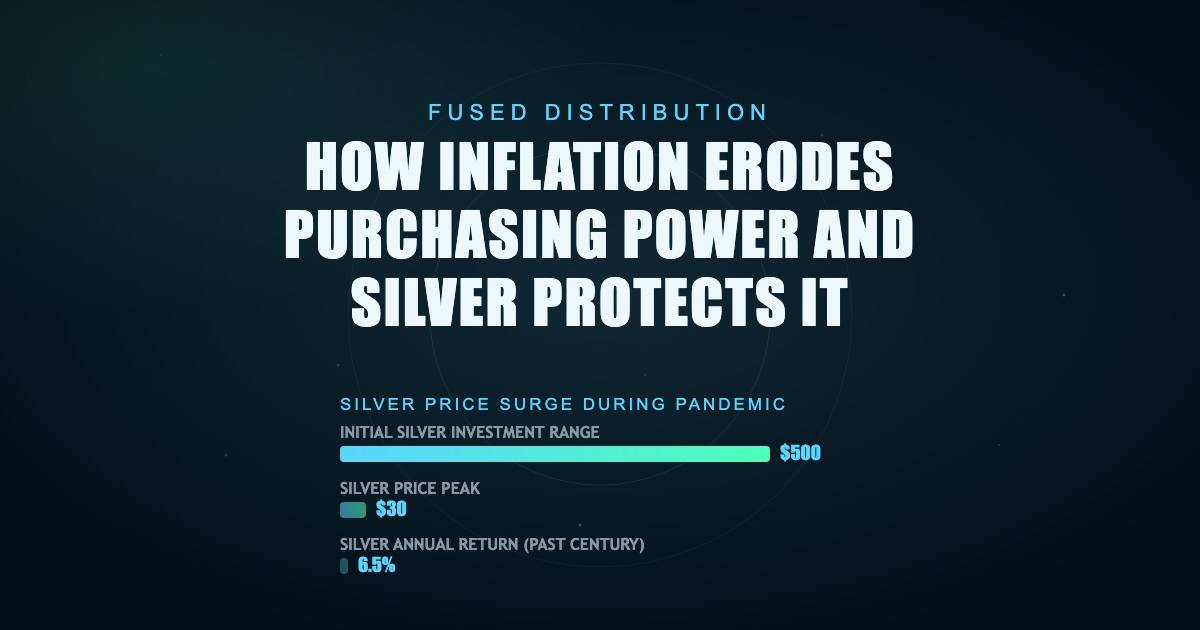
Let’s break down the difference. Inflation reduces the real value of your savings. For example, if you have $10,000 in a savings account earning 1% interest, and inflation is 3%, your money is effectively losing 2% of its value each year. That’s a significant loss over time. Silver, on the other hand, offers a different kind of protection. During periods of high inflation, investors often flock to safe-haven assets like gold and silver. This increased demand drives up the price of these metals. In 2020, during the initial stages of the COVID-19 pandemic, silver prices surged, demonstrating its ability to hold value during economic uncertainty. The price of silver reached a peak of approximately $30 per ounce, a substantial increase from its pre-pandemic level. Conversely, the Consumer Price Index (CPI) rose by 4.9% in April 2024, highlighting the severity of the inflationary pressures consumers are facing. This illustrates the potential for silver to offer a counterbalance. Also, the cost of producing silver is relatively low compared to other precious metals like platinum or gold, making it a more affordable option for investors. You can acquire a significant amount of silver for a comparatively modest investment. For more on this, see Silver Standard Vs Gold Standard Explained.
Practical Steps for Using Silver to Mitigate Purchasing Power Loss
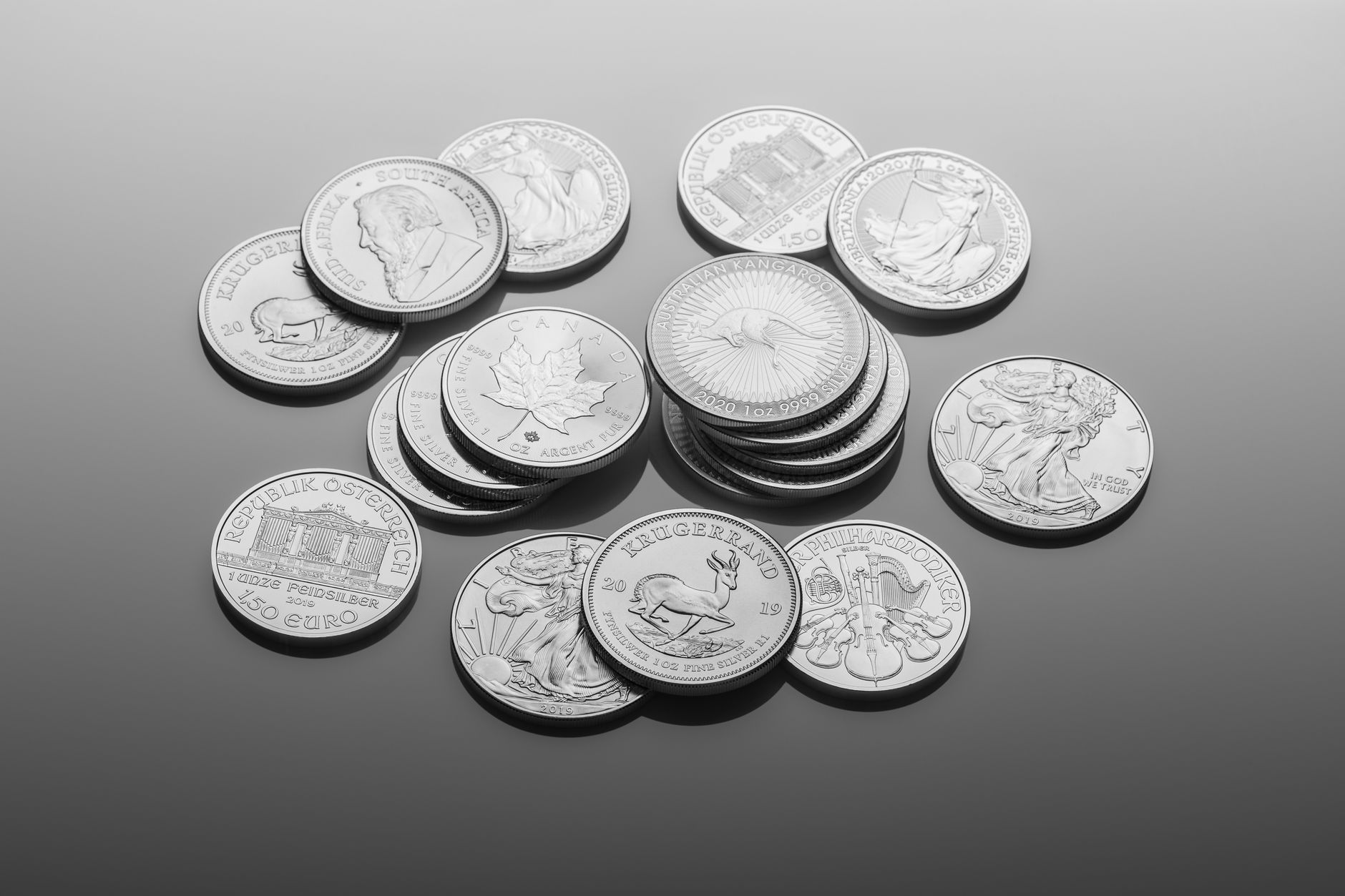
Protecting your purchasing power doesn’t have to be complicated. It starts with understanding the risks and taking proactive steps. Don’t get caught up in chasing short-term price fluctuations. Instead, focus on building a diversified portfolio that includes a portion of your assets in physical silver. We recommend starting with a small, manageable amount - perhaps $500 to $1,000 - and gradually increasing your holdings as you become more comfortable. Consider purchasing silver coins (like American Eagles or Canadian Maples) or rounds. These are readily available and easily recognizable. You can also invest in silver bars, which offer a higher value per ounce. At Fused Distribution, we offer transparent pricing and straightforward purchasing options. We pride ourselves on eliminating dealer markups and providing a hassle-free experience. You can reserve your silver directly through our website: our reserve page. Remember, the key is to hold physical silver, not just paper promises of it. Historically, silver has maintained its value during periods of economic turmoil, offering a tangible asset to safeguard your wealth. Data shows that over the past century, silver has averaged an annual return of approximately 6.5% when compared to the S&P 500, which has averaged around 10% annually. While past performance is not indicative of future results, it does illustrate silver's historical resilience.
Building Your Silver Reserve: A Step-by-Step Guide
Let’s make this process as simple as possible. First, determine how much silver you want to allocate to your reserve. A common starting point is 5-10% of your overall investment portfolio. Next, choose your preferred form of silver - coins, rounds, or bars. We recommend starting with coins for their liquidity and ease of sale. Then, visit our website and navigate to our reserve page to place your order. We offer a variety of silver products at competitive prices. You’ll receive clear pricing and secure shipping. Finally, store your silver safely - a home safe or a secure storage facility is recommended. Don’t leave your silver lying around where it could be easily stolen. Regularly review your silver holdings and adjust your allocation as needed. As inflation continues to impact your finances, silver can provide a valuable layer of protection.
Stop guessing about premiums. Reserve your silver straightforwardly at our reserve page to build your physical store. Don’t wait until inflation has eroded your purchasing power beyond repair. Take control of your financial future today.
Related
- Silver Standard Vs Gold Standard Explained
- Why Silver Was Used As Currency For 5000 Years
- Silver As Money Throughout History
Read next: Silver Standard Vs Gold Standard Explained