
Choosing between the Canadian Silver Maple Leaf and the American Silver Eagle is a common dilemma for new investors looking to enter the silver market. Both are highly regarded silver bullion coins, but they offer distinct advantages and appeal to different investor profiles. We stock both coins because they represent different facets of the silver investment market. The Maple Leaf, often associated with Canadian mining heritage, carries a strong narrative about Canadian silver production and purity standards. Conversely, the American Silver Eagle is a globally recognized symbol of American silver investment, known for its impressive size and established market liquidity. Understanding these differences is the first step toward making an informed decision about which coin aligns best with your long-term goals and risk tolerance.
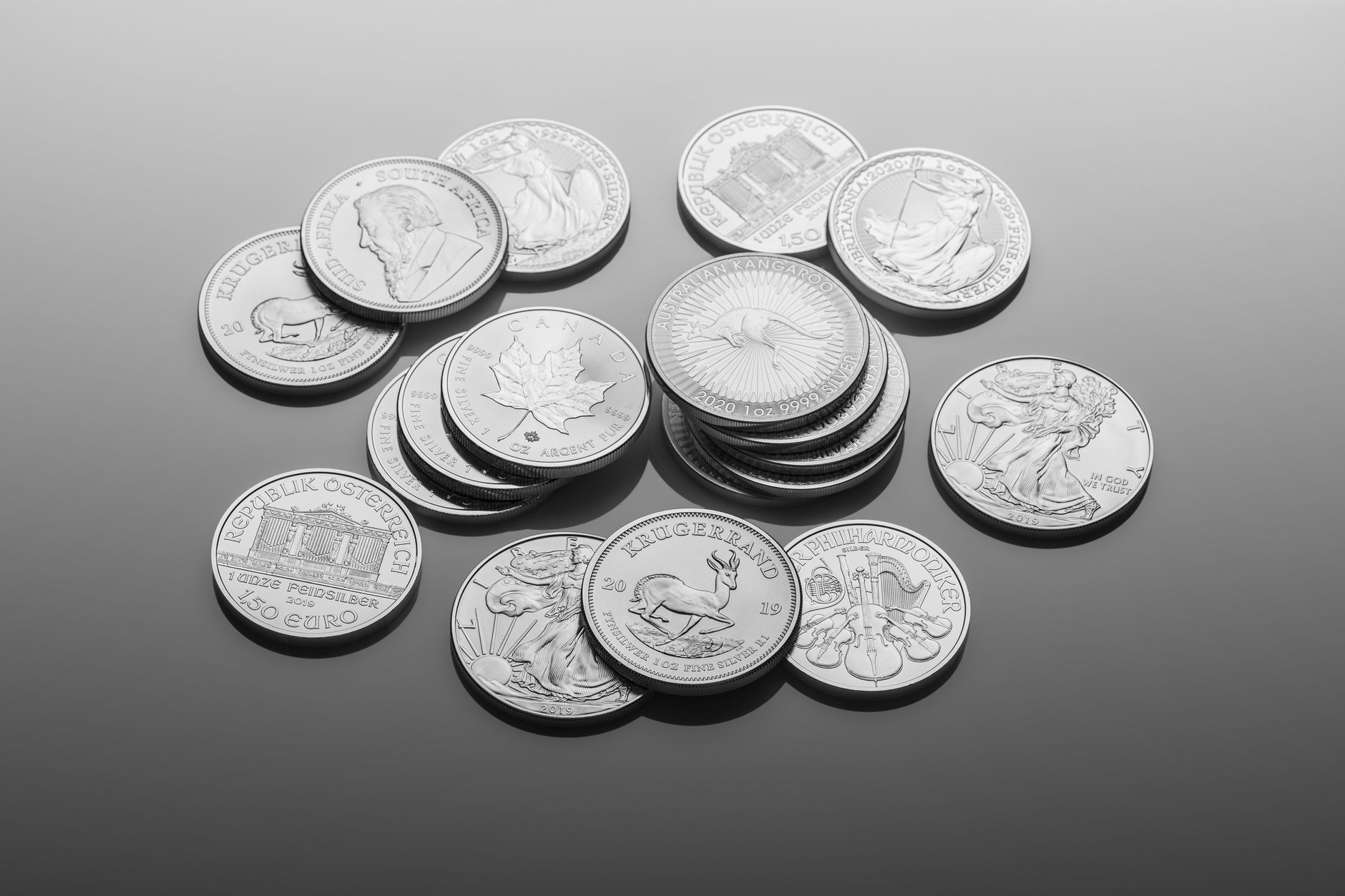
Here, we will break down the key factors that differentiate these two premier silver bullion coins. We will compare their intrinsic value, their historical significance, and their current market performance. Also, we will explore practical considerations for buyers, including coin weight, grading standards, and how to assess which coin offers the superior investment opportunity for your portfolio. Prepare to learn how to navigate the silver coin market with confidence.
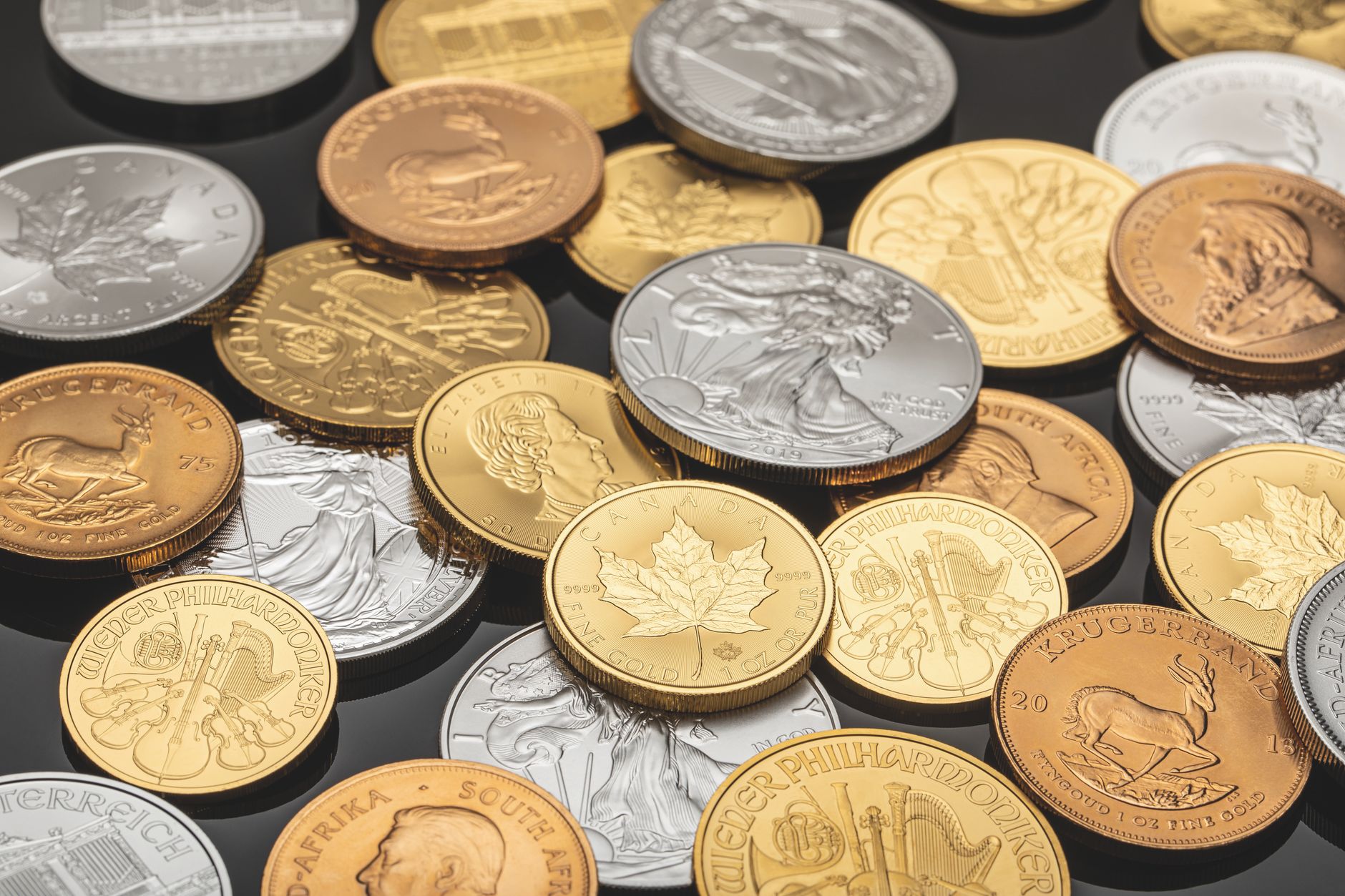
Understanding the Silver Maple Leaf and Silver Eagle Comparison
We stock a wide variety of silver and precious metals, and understanding the differences between the Silver Maple Leaf and the Silver Eagle can help you make an informed investment decision. Both are popular silver-based products, but they cater to slightly different investor profiles.
The Silver Maple Leaf often appeals to those looking for a more accessible entry point into silver investing. It is frequently offered in various forms, making it a versatile option for beginners who are just starting their journey into precious metals.
Conversely, the Silver Eagle is often sought after by investors looking for a more established, perhaps higher-value, investment piece. We recommend comparing the specific purity, weight, and market liquidity of each product before committing to a purchase. We are here to guide you through the nuances of silver and precious metals investing.
Why Silver Maple Leaf is a Strong Canadian Investment
We stock Silver Maple Leaf because we believe this Canadian offering presents a compelling opportunity for investors looking to enter the silver and precious metals market. As a Canadian entity, Silver Maple Leaf benefits from a stable economic environment and a strong commitment to quality sourcing, which translates into reliable metal supply for our customers. We recommend Silver Maple Leaf as a foundational piece for any investor building a diversified portfolio in precious metals.
The appeal of this investment lies in the intrinsic value of silver combined with the stability offered by a Canadian operation. We focus on providing transparent access to high-quality silver, making it an accessible entry point for retail buyers and intermediate investors alike. This is not just about speculation; it is about securing a tangible asset with long-term potential.
By choosing Silver Maple Leaf, you are aligning yourself with a reputable Canadian source. We stock this product because we see it as a smart, accessible way to participate in the silver market. We encourage you to explore how Silver Maple Leaf fits into your overall strategy for wealth preservation and growth.
Analyzing the American Silver Eagle: A Benchmark for Silver
We stock the American Silver Eagle because it represents a significant milestone in silver investment. This coin is not just a piece of metal; it is a tangible asset with established market recognition and strong intrinsic value. For US retail buyers and intermediate investors looking to enter the silver market, the Eagle serves as an excellent benchmark for understanding silver's potential.
The Eagle's design, rarity, and historical significance make it a highly sought after investment. When we recommend the American Silver Eagle, we are pointing to a coin with proven demand and a strong narrative within the precious metals community. It offers a tangible way to participate in the growth of silver while maintaining a level of established credibility.
We encourage you to examine the factors that drive the value of this specific coin. Understanding the supply and demand dynamics surrounding the Eagle helps you make informed decisions about your silver portfolio. It is a foundational piece for anyone building a long-term strategy in silver and precious metals investing.
Key Differences Between Canadian and American Silver Products
We stock a wide variety of silver products, and understanding the distinctions between Canadian and American silver can be crucial for informed investing. The primary difference often lies in the purity standards and the specific alloy compositions used in each market. Canadian silver is renowned for its high quality and consistent purity, often appealing to investors seeking established, reliable assets.
American silver markets offer a different set of opportunities, sometimes featuring unique alloys or specific grading systems that cater to particular investment strategies. When you are looking to diversify your precious metals portfolio, comparing the sourcing and certification of both Canadian and American silver is a smart step.
We recommend reviewing the specific assay reports for any silver you consider. This detailed examination will help you determine which product aligns best with your investment goals, whether you prioritize established quality or exploring market-specific variations.
Which Silver Investment Fits Your Beginner or Intermediate Goals
We stock a wide variety of silver and precious metals, and understanding where to start is key for any new investor. If you are a beginner, we recommend focusing on accessible entry points. Silver offers a tangible asset that many investors find appealing, and we can guide you toward options that balance potential returns with manageable risk. For more on this, see Johnson Matthee Silver Bars Guide.
For intermediate investors, the strategy shifts toward diversification and understanding market dynamics. We advise looking at different silver products, from physical bullion to investment-grade coins, to tailor your portfolio to your specific risk tolerance and long-term outlook. We help you assess how silver fits into a broader precious metals strategy.
We recommend consulting with our team to determine the best silver investment path for your goals. Whether you are starting small or looking to expand your holdings, we are here to provide the knowledge and resources you need to make informed decisions about your silver future.
How to Evaluate Silver Purity and Quality in Both Products
We stock a wide variety of silver products, and understanding how to assess purity and quality is crucial for any investor. When comparing Canadian silver maple leaves with American silver eagles, you need a consistent method to ensure you are getting the genuine article.
For both products, the most important factor is the assay. Look for clear documentation detailing the silver content, often expressed as a percentage. We recommend checking for third-party verification if possible, as this adds significant assurance regarding the metal's composition.
Also, examine the physical characteristics. Consistent weight and a uniform appearance across a batch suggest higher quality. We advise against purchasing items where the purity is not clearly stated or where the documentation is vague. By following these steps, you can confidently evaluate the silver content in both Canadian and American offerings.
Our Recommendation: Choosing the Best Silver for Your Portfolio
Our Recommendation: Choosing the Best Silver for Your Portfolio
We stock a wide variety of silver, and when comparing Canadian silver maple leaf to American silver eagle, we want to help you make an informed decision for your investment goals. Both are excellent options, but they offer different characteristics that appeal to different investors.
The Canadian silver maple leaf often appeals to those looking for a specific type of purity and perhaps a slightly different market perception. It is a solid choice for those prioritizing established quality and a specific market segment.
Conversely, the American silver eagle is another powerhouse in the silver market, known for its broad appeal and strong liquidity. We recommend considering both based on your risk tolerance and what you are seeking in your precious metal holdings. We advise consulting with a financial advisor to tailor the best silver choice for your unique portfolio strategy.
Next Steps: How to Invest in Silver Today with Fused Distribution
We stock a diverse range of silver products, from investment-grade bullion to unique silver leaf options, making it an accessible entry point for new investors. If you are looking to diversify your portfolio and tap into the potential of precious metals, starting with silver is a smart move. We understand that investing in silver can seem complex, but we are here to guide you through the process.
We recommend exploring our current inventory to see how silver fits into your financial goals. Whether you are interested in physical silver coins, bars, or perhaps even the unique appeal of silver maple leaf products, we have options tailored for different investment styles. Our goal is to provide you with transparent access to quality silver at competitive prices.
Take the next step by visiting our website or contacting our team today. Let us help you determine the best silver investment strategy for your situation. Investing in silver is about building long-term wealth, and we are ready to partner with you on your journey.
Related
- How To Buy Silver Coins At Spot Price
- Johnson Matthee Silver Bars Guide
- Silver Panda Coins From China: A Complete Guide
Read next: How To Buy Silver Coins At Spot Price