Yes, you can absolutely put physical silver - American Eagles, Canadian Silver Maple Leafs, or other approved bullion - into a Individual Retirement Account (IRA). However, it’s not as simple as just opening an IRA and depositing your silver. There are specific rules and requirements you need to understand. At Fused Distribution, we stock a wide variety of silver bullion and we recommend careful planning to ensure a smooth and compliant process. This guide will walk you through everything you need to know about investing in silver within an IRA, helping you secure your financial future.

What to Know About IRAs and Silver Investments
An Individual Retirement Account (IRA) is a retirement savings account designed to offer tax advantages. There are primarily two main types: Traditional and Roth. With a Traditional IRA, contributions may be tax-deductible in the year they are made, and earnings grow tax-deferred until retirement, meaning you don’t pay taxes on the growth until you withdraw the funds. Conversely, with a Roth IRA, you contribute after-tax dollars, but qualified withdrawals in retirement are entirely tax-free. The choice between these two types depends heavily on your individual circumstances, current tax bracket, and anticipated future tax rates. Investing in silver within an IRA can be a valuable component of a diversified retirement portfolio, often viewed as a hedge against inflation and economic uncertainty. However, it’s crucial to understand the specific regulations governing IRA investments, particularly when dealing with precious metals.
Types of IRAs That Accept Physical Silver
Not all IRAs are designed to hold physical assets like silver. The acceptance of physical silver within an IRA is restricted to certain account types. The most common types that allow for this investment are:
- Traditional IRA: This remains the most popular option for investing in silver due to its established track record and broad acceptance. However, the IRS imposes specific rules regarding what can be held within a Traditional IRA.
- Roth IRA: Similar to Traditional IRAs, Roth IRAs can also accommodate physical silver, offering the benefit of tax-free withdrawals in retirement.
- SEP IRA: Suitable primarily for self-employed individuals and small business owners, a SEP IRA allows for contributions to be made by the employer (or self-employed individual) and can hold physical silver.
- SIMPLE IRA: Primarily designed for small business owners and their employees, a SIMPLE IRA offers another avenue for investing in silver within a retirement account.
The crucial element is to ensure that the IRA custodian you select specifically allows for the holding of physical precious metals.
Requirements for Investing Silver in an IRA
The Internal Revenue Service (IRS) has stringent guidelines governing the investment of precious metals within an IRA. Adherence to these rules is essential to avoid penalties and ensure compliance. Here’s a breakdown of the key requirements:
- Approved Custodian: You must use an IRS-approved custodian to hold your IRA assets. These custodians are specifically vetted and authorized by the IRS to handle precious metals accounts, guaranteeing adherence to all regulations.
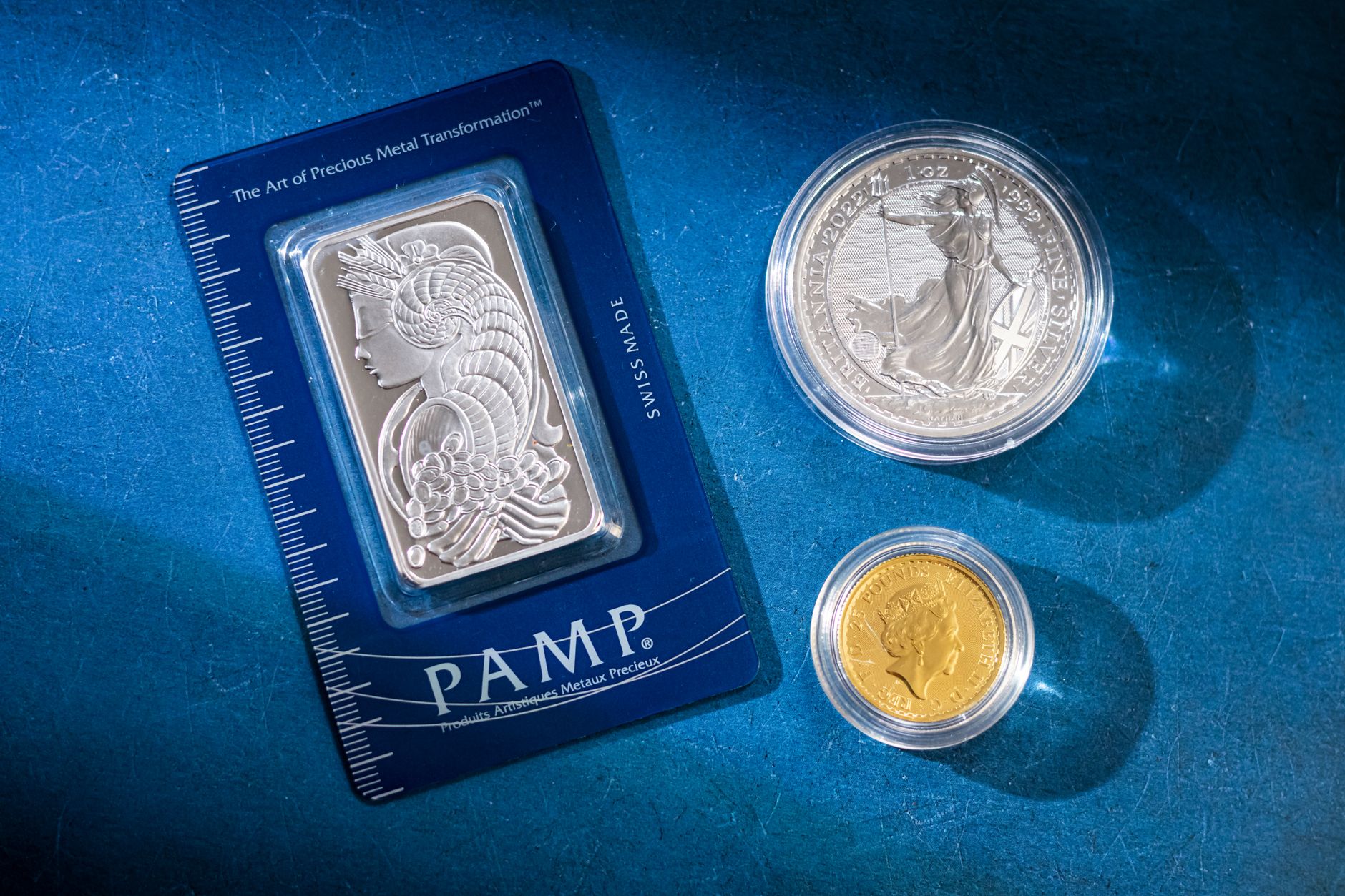
- Approved Precious Metals: Only certain types of silver bullion are eligible for IRA storage. The IRS has a defined list of approved silver bullion products, including: American Eagles, Canadian Silver Maple Leafs, Austrian Silver Philharmonic, Swiss Silver Sovereigns, and British Silver Britannia. These coins and bars are recognized for their purity and authenticity.
- Bullion Purity: The silver must meet a minimum purity standard of .999 fine (99.9% pure silver). This ensures the value of the investment is accurately reflected.
- Storage: The silver must be stored in a secure, IRS-approved depository facility. These facilities are typically operated by established companies like Brinks, Miles, or Avanza Precious Metals, providing reliable security measures to protect the assets.
- Form 8606: You will need to file Form 8606 with your annual tax return to report your IRA contributions and any distributions (withdrawals) made from the account. This form is essential for accurately tracking your IRA activity and complying with tax reporting requirements.
How to Get Started: A Step-by-Step Guide
Investing in silver through an IRA involves a structured process. Here's a detailed, step-by-step guide to help you navigate the process: For more on this, see Silver IRA How To Set One Up Step By Step.
- Choose an IRA Custodian: Thoroughly research and select an IRS-approved custodian specializing in precious metals. Consider factors such as annual fees, storage options (vault locations, insurance coverage), customer service responsiveness, and the custodian’s experience with IRA accounts. Comparing multiple custodians is highly recommended.
- Open an IRA Account: Complete the application process with your chosen custodian. You’ll need to provide detailed personal information, including your Social Security number, address, and employment details. You’ll also select your desired IRA type - Traditional or Roth.
- Purchase Approved Silver: Once your IRA account is established, you can purchase approved silver bullion from a reputable bullion dealer. Ensure the silver meets the purity specifications (at least .999 fine) and is in a form acceptable to your custodian (e.g., bars, coins).
- Ship Silver to Depository: After purchasing the silver, you’ll receive instructions from your custodian on how to ship it to the IRS-approved depository facility. This typically involves using a secure shipping service and providing the custodian with the necessary shipping labels and documentation.
- Verify Storage: Upon arrival at the depository, confirm with the facility that your silver has been received and is securely stored. This verification step ensures the integrity of your investment.
- File Form 8606: When you file your annual tax return, include Form 8606 to report your IRA contributions and any distributions made during the year. Accurate tax reporting is crucial for compliance.
Common Mistakes to Avoid
Navigating the IRA and precious metals market can be challenging. Avoiding common mistakes is essential to ensure a smooth and compliant investment process. Here are some critical pitfalls to watch out for:
- Using an Unapproved Custodian: This is a serious violation of IRS rules and can result in significant penalties, including the loss of tax benefits and potential account closure.
- Purchasing Non-Approved Silver: Investing in silver that doesn’t meet IRS specifications will prevent you from claiming a tax deduction (for Traditional IRAs) or accessing tax-free withdrawals (for Roth IRAs).
- Failing to Track Contributions and Distributions: Maintaining meticulous records of all IRA contributions and withdrawals is crucial for accurate tax reporting.
- Not Understanding Storage Fees: Depository fees can vary considerably depending on the facility and the amount of silver stored. Factor these fees into your investment cost calculations.
- Ignoring IRS Reporting Requirements: Failing to file Form 8606 can lead to penalties and interest charges from the IRS.
Cost Considerations
Investing in silver through an IRA involves several associated costs. Understanding these costs is crucial for making informed investment decisions.
- Custodian Fees: Custodians typically charge an annual fee, usually ranging from 1% to 3% of the total assets held in the IRA.
- Depository Fees: These fees vary depending on the depository facility and the amount of silver stored. Expect to pay around $100 - $200 per year for silver storage.
- Purchase Costs: The price of silver fluctuates based on market conditions. Factor this price volatility into your investment strategy.
- Shipping Costs: Shipping the silver to the depository can add to your initial investment.
Silver vs. Gold: A Comparison
Both silver and gold are often considered safe-haven assets during times of economic uncertainty. However, they possess distinct characteristics. Gold is generally considered more stable and less volatile than silver, often holding its value more consistently. Silver, on the other hand, tends to be more volatile and can offer greater potential for price appreciation, but also carries a higher risk of losses.
Seeking Professional Advice
Investing in an IRA, particularly with precious metals, can be a complex undertaking. We strongly recommend consulting with a qualified financial advisor to assess your individual circumstances, determine if investing in silver through an IRA is suitable for your goals, and receive personalized guidance on selecting the right IRA type and custodian. A financial advisor can help you navigate the intricacies of IRA regulations and develop a comprehensive retirement strategy.
Looking Ahead: The Future of Silver in IRAs
As inflation and economic uncertainty continue to be concerns, silver is likely to remain a popular investment option for those seeking to protect their retirement savings. The demand for silver within IRAs is expected to continue to grow, driven by increased awareness of its potential benefits as a hedge against economic fluctuations and a store of value.
Related
- Silver IRA How To Set One Up Step By Step
- Silver Coins Gift Tax Rules What You Need To Know
- How To Keep Records Of Silver Purchases For Taxes
Read next: Silver IRA How To Set One Up Step By Step