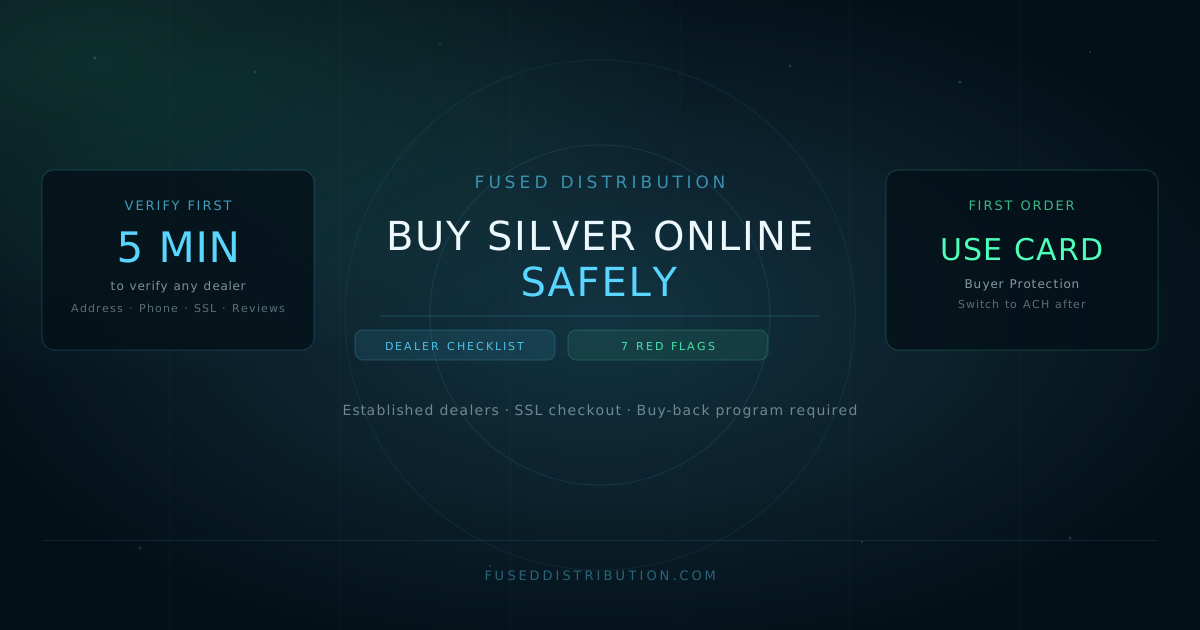
Buying silver online safely comes down to verifying the dealer before you send any money. Use a dealer with a physical address, working phone, SSL checkout, and a published buy-back program. Stick to established names for your first few orders. The fraud risk is real, but it is nearly zero when you stay inside a short list of verified dealers.
A full comparison of online dealers, coin shops, and private sales covers the premiums and tradeoffs across purchase channels. This guide focuses on the safety side: how to verify a dealer, how to pay safely, and what to do when something looks wrong.
How to Verify a Silver Dealer Before Buying
Every legitimate online silver dealer has the same basic markers. Check these before placing any order with a dealer you haven't used before:
- Physical address: A real street address, verifiable on Google Maps or the BBB website. Not a PO box.
- Working phone number: Call it. If nobody answers during business hours, find a different dealer.
- SSL checkout: https in the URL, padlock icon, valid certificate from a known CA. Non-negotiable.
- Published buy-back program: A legit dealer will buy silver back from you at a published price. If they only sell, that's a red flag.
- Verifiable review history: BBB, Trustpilot, or Google reviews spanning multiple years. A dealer with 500 reviews from the last 30 days is suspicious.
- ICTA membership or equivalent: The Industry Council for Tangible Assets is the trade body for precious metals dealers. Membership isn't mandatory, but most established dealers have it.
Running this checklist takes about 5 minutes. APMEX, JM Bullion, and SD Bullion pass every item. Most of the fraudulent listings that surface around silver do not pass the first two.
Fraud Risk by Purchase Channel
How to Pay Safely for Silver Online
Payment method affects both your price and your protection level. Here's how each option compares:
- Credit card: Highest buyer protection. Adds 3-4% to the price at most dealers. Right choice for your first order with any dealer you haven't used before.
- Check or ACH: No surcharge. Best value for ongoing orders with trusted dealers. Takes 3-7 business days to clear before shipment. No chargeback ability.
- Wire transfer: No surcharge. Standard for large orders over $1,000. Fast clearing but zero recourse if something goes wrong. Only use with dealers you know well.
- Bitcoin or crypto: Accepted by some dealers. Convenient but completely irreversible. Only use if you have multiple completed orders with that dealer already.
For your first order with any dealer, pay by credit card regardless of the surcharge. The 3-4% fee is worth the ability to dispute the charge if you receive something wrong. Once you've confirmed the dealer ships legitimate, accurately described silver, switch to check or ACH for ongoing purchases.
What a Safe Silver Listing Looks Like
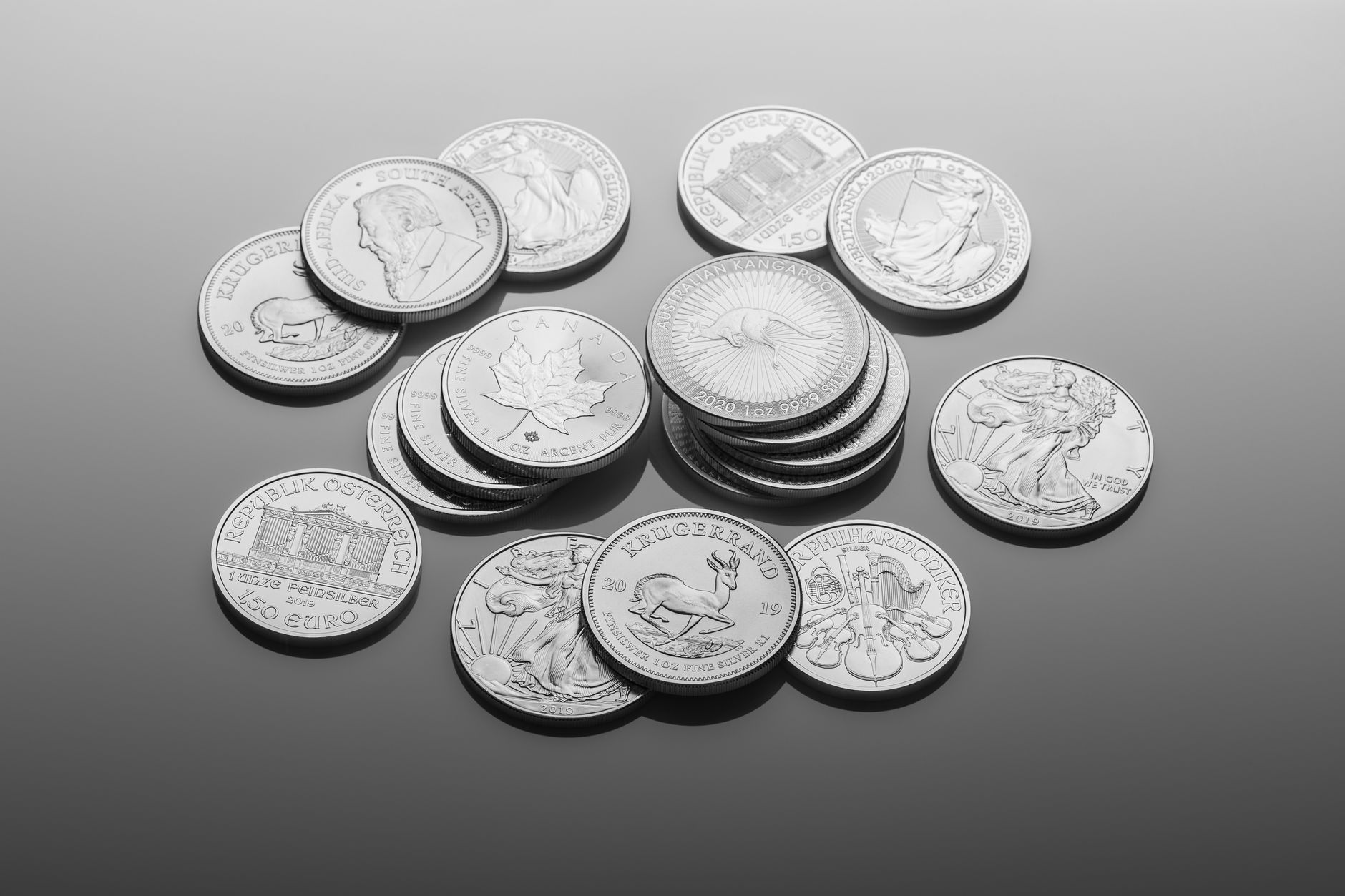
On any established dealer site, a legitimate silver listing includes:
- Spot price displayed separately from the premium
- Exact weight in troy oz (not "approximately" or "estimated")
- Purity listed as a decimal (.999 or .9999, not "fine silver" without a number)
- The refinery or mint name
- Two price variants: credit card price and check/wire price
- Real product photos, not stock images from a manufacturer
If a listing shows a price more than 5% below the same product on APMEX or JM Bullion, treat it as a red flag. Dealers compete on fractions of a percent. A 10% discount from market rate means either the product is fake, the seller is desperate and may not ship, or the "price" changes at checkout.
What to Do When Something Looks Wrong
If your order arrives and something seems off, act fast. Most disputes have a narrow window.
- Weigh every piece before putting it away. A digital scale accurate to 0.1g costs under $10. One troy oz is 31.1g. If the weight is off, do not sign off on the shipment.
- Photograph everything before opening packaging fully. If you need to dispute, you want photos showing what you received.
- Contact the dealer within 24-48 hours. Most have a stated return window. APMEX and JM Bullion both publish their dispute process openly.
- If you paid by credit card and the dealer is unresponsive, file a chargeback with your issuer immediately. Do not wait.
For more on detecting non-genuine silver, six at-home tests catch every common counterfeit type, including silver-plated coins and tungsten-core bars.
Seven Red Flags That Signal a Silver Scam
-
1No physical address or working phone. Every legitimate dealer has both. Verify the address on Google Maps before you pay anything.
-
2Price more than 5% below major dealers. Silver premiums are competitive to within fractions of a percent. A 10-15% discount from market rate is always a warning.
-
3Wire transfer or crypto only. Payment options that have no buyer protection and are irreversible should raise immediate concern for a first transaction.
-
4No buy-back program. Real dealers buy silver back. A seller who only sells and won't post buy-back prices has no incentive to maintain quality.
-
5New domain registration (under 2 years). Check the domain age at a WHOIS lookup. Pop-up silver shops with new domains are a common pattern in online precious metals fraud.
-
6No SSL on checkout. Any site asking for payment information without https in the URL has a security problem. Full stop.
-
7Reviews all from the last 30 days. A dealer with 1,000 reviews that all appeared in the last month is almost certainly using fake reviews. Look for review history spanning years, not weeks.
Frequently Asked Questions
Sources
- APMEX — Business verification and dealer credentials. apmex.com
- JM Bullion — Dealer transparency and published buy-back policy. jmbullion.com
- Industry Council for Tangible Assets (ICTA) — Member dealer directory. ictaonline.org
- Better Business Bureau — Dealer review and complaint history lookup. bbb.org