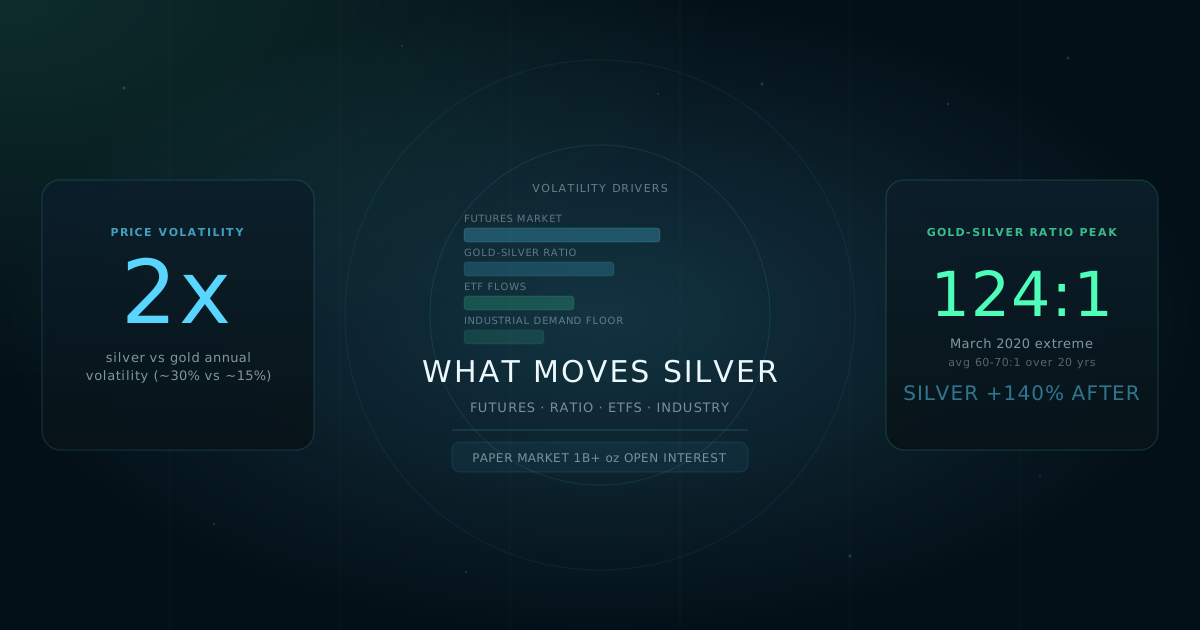
Silver's spot price moved more than 140 percent in a single five-month stretch in 2020, from under $12 an ounce in March to over $29 by August. Gold moved about 30 percent in that same window. Both metals were responding to the same macro environment. Silver just responded a lot harder.
That pattern repeats across decades. Silver amplifies gold's moves in both directions. When metals rally, silver tends to rally more. When metals sell off, silver tends to drop harder. Understanding why that happens makes you a smarter buyer and helps you avoid panic-selling at the worst possible times.
The Futures Market Drives Short-Term Price
The silver spot price is set by the COMEX futures market in New York, not by the physical market for coins and bars. COMEX open interest, the total number of active futures contracts, routinely represents over 1 billion ounces of silver. Annual global mine supply runs around 800 to 850 million ounces. That means the paper market is larger than the physical supply it theoretically represents.
Most COMEX participants never take delivery of physical silver. They're traders, hedge funds, and institutions using silver futures to hedge other positions or speculate on direction. When sentiment shifts, this crowd can move the price sharply in either direction without any change in actual supply or demand.
This is why silver can drop 10 percent in a week during a general market selloff even when industrial demand is stable. The futures price disconnects from the physical market temporarily. Those gaps tend to close, but they can take months.
The Gold-Silver Ratio as a Signal
The gold-silver ratio tells you how many ounces of silver it takes to buy one ounce of gold. Divide the gold spot price by the silver spot price and you have it. Historically this ratio has averaged around 60 to 70:1 over the past 20 years, per the Silver Institute's World Silver Survey.
In March 2020 the ratio hit 124:1, meaning silver was historically cheap relative to gold. Over the following 18 months it fell back toward 65:1 as silver outperformed gold sharply. That kind of mean-reversion has repeated multiple times: ratios above 90 have historically been followed by periods where silver closes the gap.
The ratio isn't a precise timing tool. It can stay elevated or compressed for extended periods. But it gives buyers a useful frame for assessing relative value. When the ratio is high, silver is historically cheap compared to gold. When it's compressed below 50, silver is historically expensive relative to gold and gold tends to outperform going forward.
ETF Flows Amplify the Swings
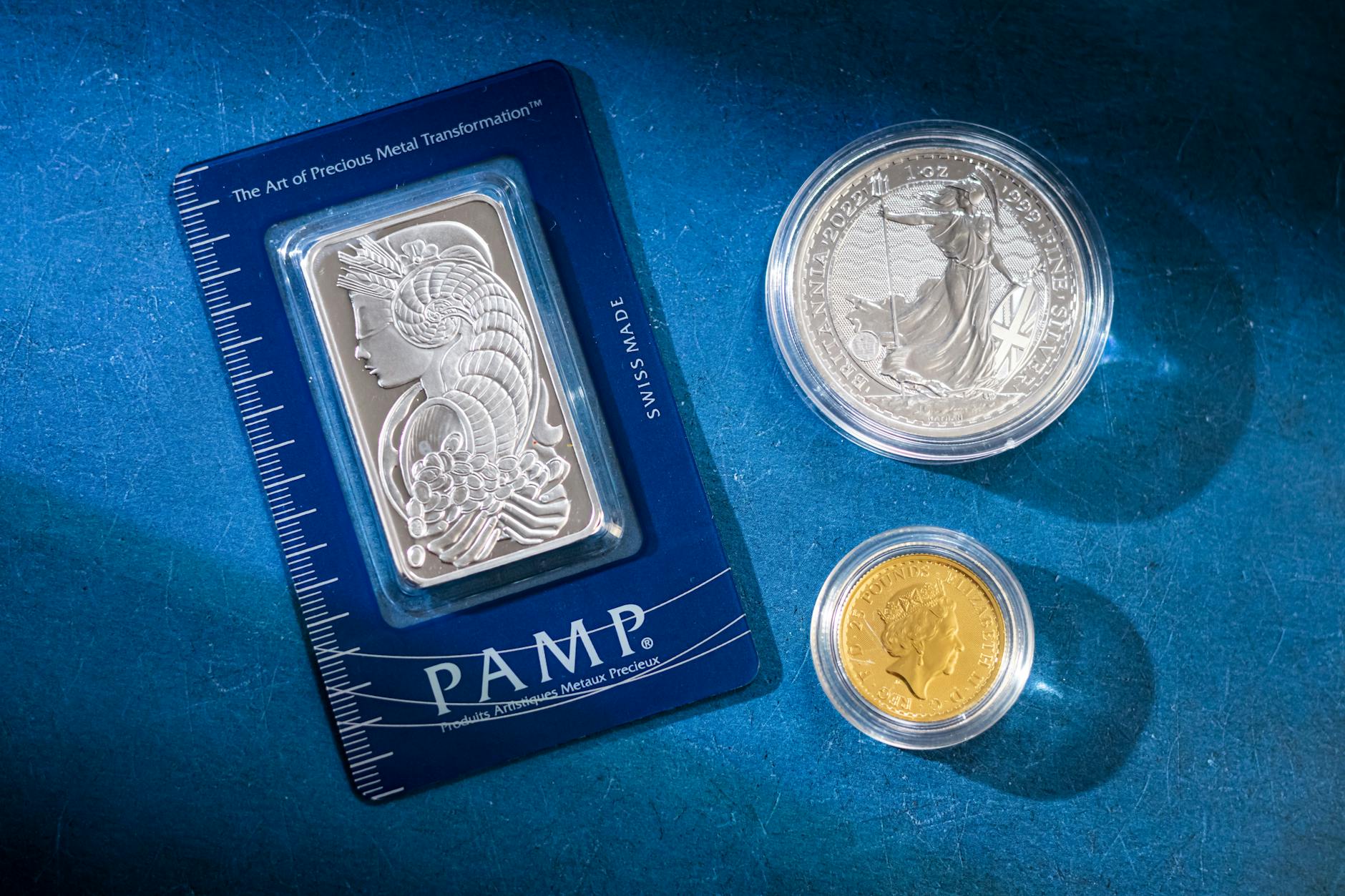
Silver ETFs, primarily iShares Silver Trust (SLV) and the Aberdeen Standard Physical Silver Shares ETF (SIVR), hold physical silver on behalf of investors. When large amounts of money flow into these funds, the ETF custodians must buy physical silver. When money leaves, they sell.
SLV alone held over 550 million ounces of physical silver at its 2021 peak. That's equivalent to roughly 60 percent of annual mine supply sitting in one fund. When retail and institutional investors moved into silver ETFs in early 2021, the resulting buying pressure contributed to the price spike above $30. When they exited through 2022 and 2023, that pressure reversed.
ETF flows are one of the clearest indicators of speculative sentiment in the silver market. Rising ETF holdings during a price rally signal that new money is chasing the trade, which tends to increase volatility. Falling ETF holdings during a price drop can amplify the selloff beyond what fundamentals would justify.
Industrial Demand Creates a Price Floor
58 percent of silver demand is industrial, per the Silver Institute's 2024 World Silver Survey. Solar panels, electric vehicles, semiconductors, medical devices, and water purification all consume silver that cannot be substituted without a loss in performance.
This is the key difference between silver and gold. Gold's demand is almost entirely driven by investment and jewelry. If investment sentiment turns negative, gold has no structural floor below the jewelry market. Silver has a structural floor below the speculative market because factories and solar farms keep buying regardless of price moves driven by financial sentiment.
That industrial floor doesn't prevent sharp drops. But it means that deep selloffs driven purely by speculative positioning tend to be shorter-lived for silver than for a purely financial asset. When the paper price falls well below the cost of production, industrial buyers accelerate purchases. That buying pressure puts a floor under the price in a way that pure financial demand cannot.
What This Means for Physical Buyers
Physical silver buyers are insulated from the day-to-day volatility of the futures market in one practical way: you're not forced to sell. A futures contract has an expiration date. Physical silver in your possession does not.
The volatility that looks frightening on a chart becomes less relevant when your time horizon is measured in years rather than days. Silver's 2020 drop to $11.77 looked catastrophic in the moment. Two months later the price had more than doubled. Buyers who panicked and sold at $12 locked in a loss that patient holders avoided entirely.
Understanding the drivers of silver's volatility, futures positioning, ETF flows, the gold-silver ratio, and industrial demand, doesn't mean you can predict the next move. It means you're less likely to be surprised or spooked by a swing that is entirely normal for this asset class.
Sources
- Silver Institute. "World Silver Survey 2024." The Silver Institute / Metals Focus. silverinstitute.org
- CPM Group. "Silver Yearbook 2024." CPM Group LLC. cpmgroup.com
- iShares by BlackRock. "iShares Silver Trust (SLV) Historical Holdings." blackrock.com
- COMEX / CME Group. "Silver Futures Historical Data." cmegroup.com