If you have spent any time in silver collecting communities, you have probably heard the term "junk silver" thrown around like everyone already knows what it means. It sounds like something you would find in a shoebox at a garage sale. The name is misleading, and understanding what it actually refers to is one of the most useful things a new buyer can learn.
The Name Has Nothing to Do With Quality
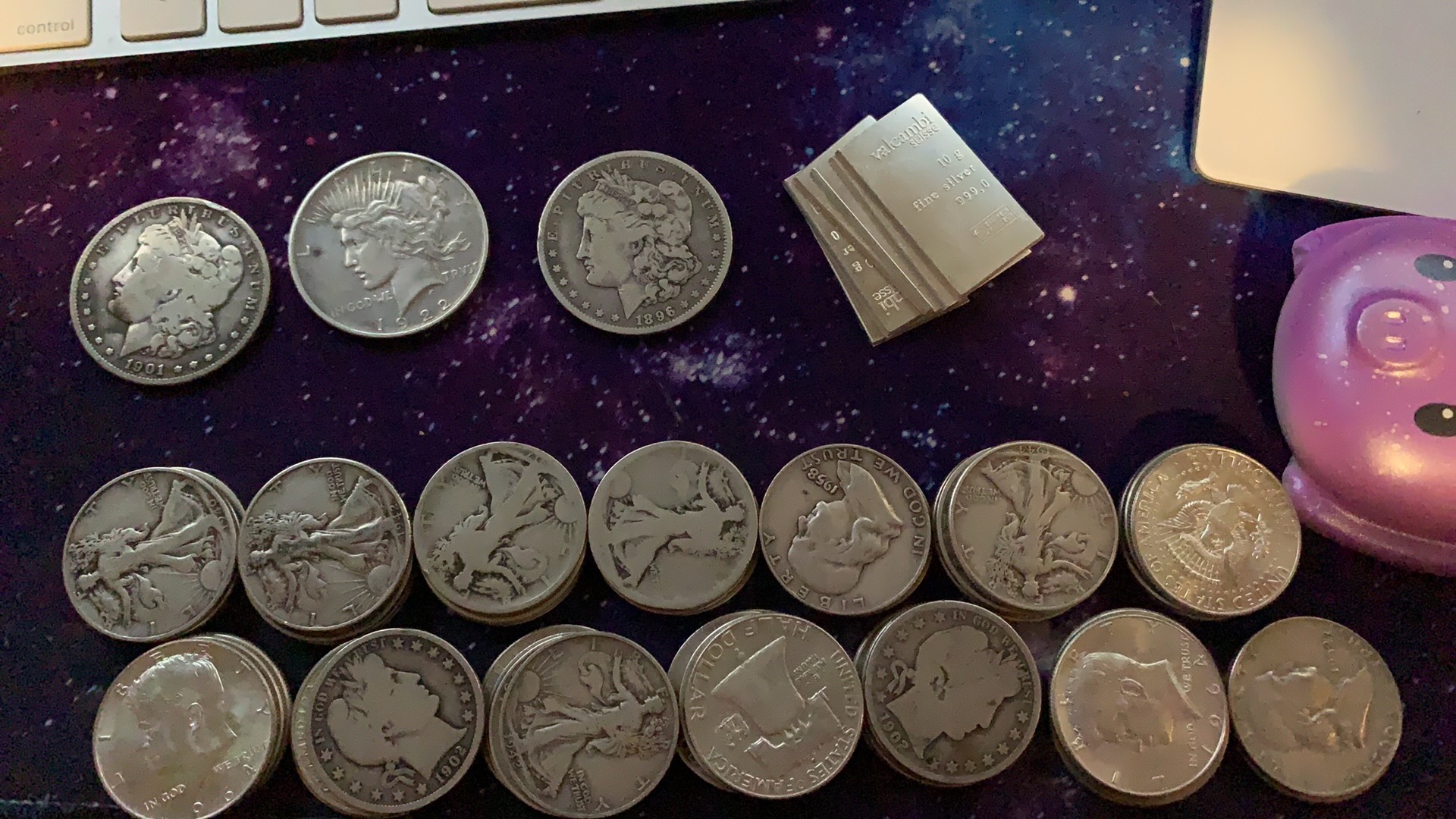
Junk silver is a trade term used to describe US coins minted before 1965 that contain 90% silver. The word "junk" comes from the coin dealer world, where it was used to describe coins that had no significant collectible value above their metal content. They are circulated, worn, and not worth grading. But the silver inside them is exactly the same silver as in any modern bar or round.
Dimes, quarters, half dollars, and dollar coins minted before 1965 all fall into this category. Here is how much silver each one actually contains.
Pre-1965. The most common junk silver coin. Easy to find in rolls and bags.
Pre-1965. Four quarters equal a little less than three quarters of a troy ounce.
Pre-1965. Kennedy halves from 1964 are 90%. Later years are a different story.
The heaviest standard junk silver coin. Almost a full troy ounce per coin.
Why New Buyers Reach for It First
There are a few reasons junk silver tends to be the entry point for people just starting to build a silver position.
The first is recognition. These are US government coins. Anyone can verify what they are. You do not need to know how to test a bar for authenticity or understand mint marks on a round. A 1963 Roosevelt dime is exactly what it looks like, and the silver content is backed by decades of public record.
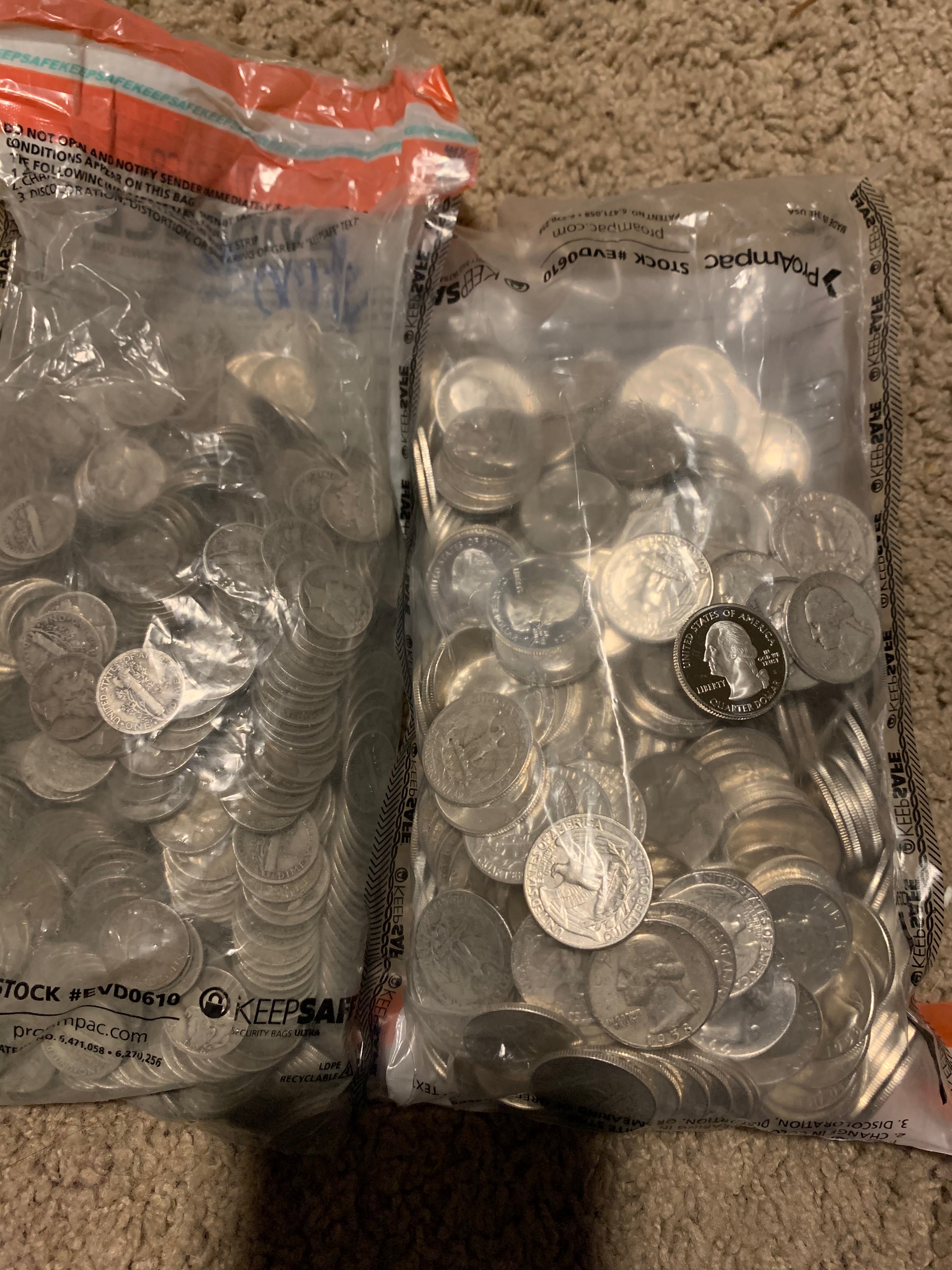
The second is liquidity. When it comes time to sell, junk silver moves fast. Local coin dealers, pawn shops, and private buyers all know what a bag of 90% silver coins is worth. There is no guessing, no negotiating over obscure products, and no need to prove what you have. You bring a roll of quarters and someone gives you spot.
The third is pricing. Because junk silver trades close to melt value, premiums tend to stay lower than on new government coins or specialty bars. You are buying silver content, not a brand name or a design. When silver is up, that difference matters.
How the Math Works
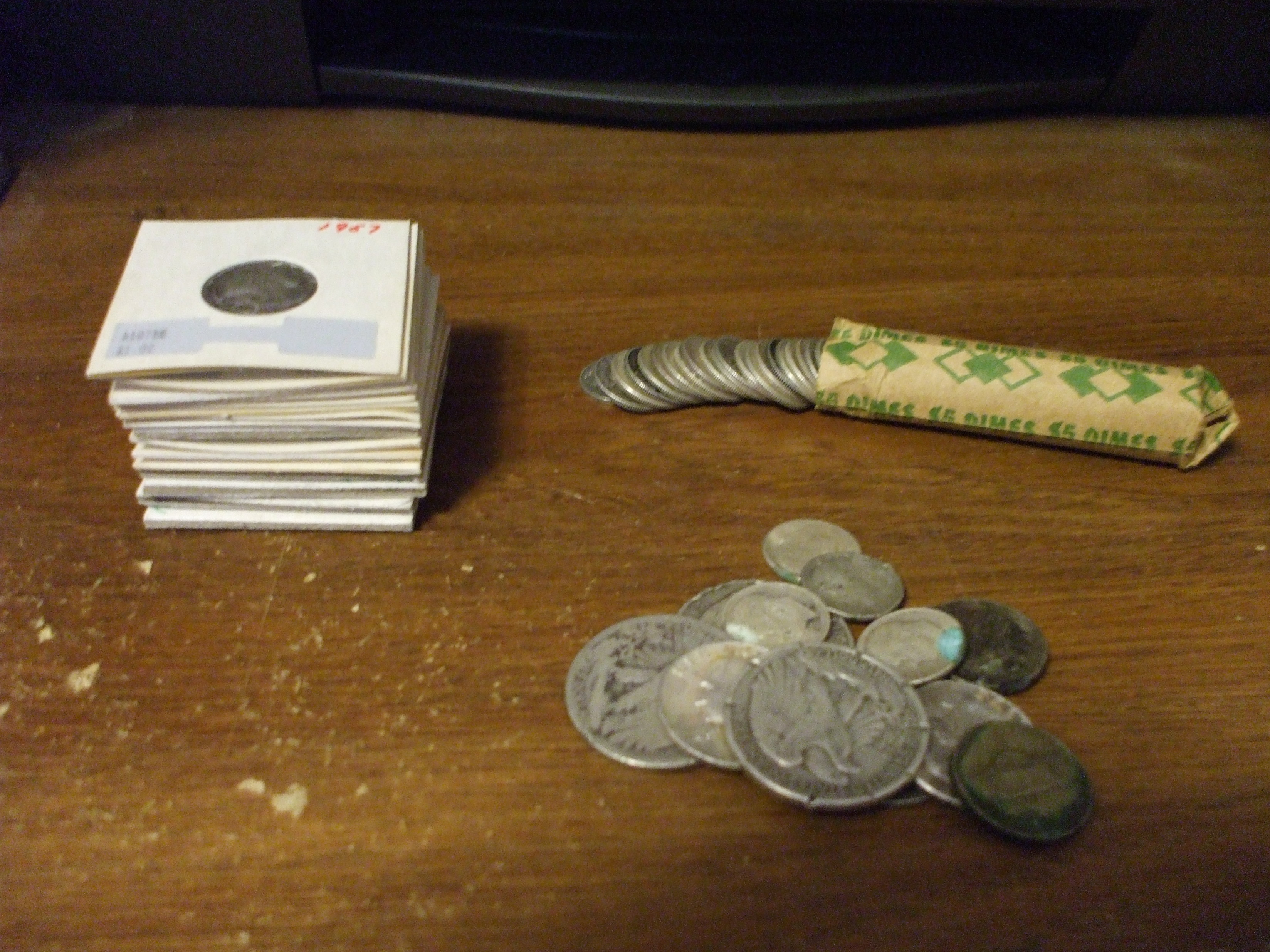
A quick rule of thumb: one dollar in face value of 90% silver coins contains about 0.715 troy ounces of silver. If spot silver is at $30 per ounce, a dollar in face value of junk silver is worth roughly $21.45 in melt value before any premium.
Most dealers and buyers use this shortcut constantly. You will hear people talk about buying at "times face," meaning a multiple of the face value dollar amount.
Whether you are paying a fair multiple depends on where spot sits that day. At $30 spot, fair value for a $1 face bag is around $21.45 before any premium. A bag priced at 20x face ($20.00) would actually be slightly below melt.
It sounds like a lot of math at first. After two or three purchases it becomes second nature, and most dealers will do the arithmetic for you anyway.
What to Watch Out For
Not every worn old coin is junk silver. A few things worth knowing before you buy.
Nickels minted from 1942 to 1945 contain 35% silver, not 90%. They are a separate category worth knowing about, but they are not counted in the standard junk silver calculation.
Coins from 1965 onward are copper and nickel with no silver content. The US Mint switched over when the price of silver made 90% coinage too expensive to produce. You can usually spot the copper sandwich on the edge of a clad quarter.
Kennedy half dollars minted from 1965 to 1970 are 40% silver. The Kennedy half stayed silver for a few more years after the big switch. These are worth buying but they require a different calculation than standard 90% coins.
Building a Position Over Time
One of the most common mistakes new buyers make is treating silver like a stock. They wait for the right price, overthink the timing, and end up buying in large chunks when sentiment pushes them to act rather than building steadily over time.
Junk silver works well as a consistent accumulation target because the math is predictable, the product is liquid, and there is always supply somewhere in the market. A few dollars in face value every month adds up to a meaningful position faster than most people expect.
The harder part is sourcing it consistently at a fair price on your own. Coin shows require time. Local dealers sell out quickly. Online retailers charge shipping costs and higher premiums that eat into the value of what you are buying.
How Fused Reserve Fits In
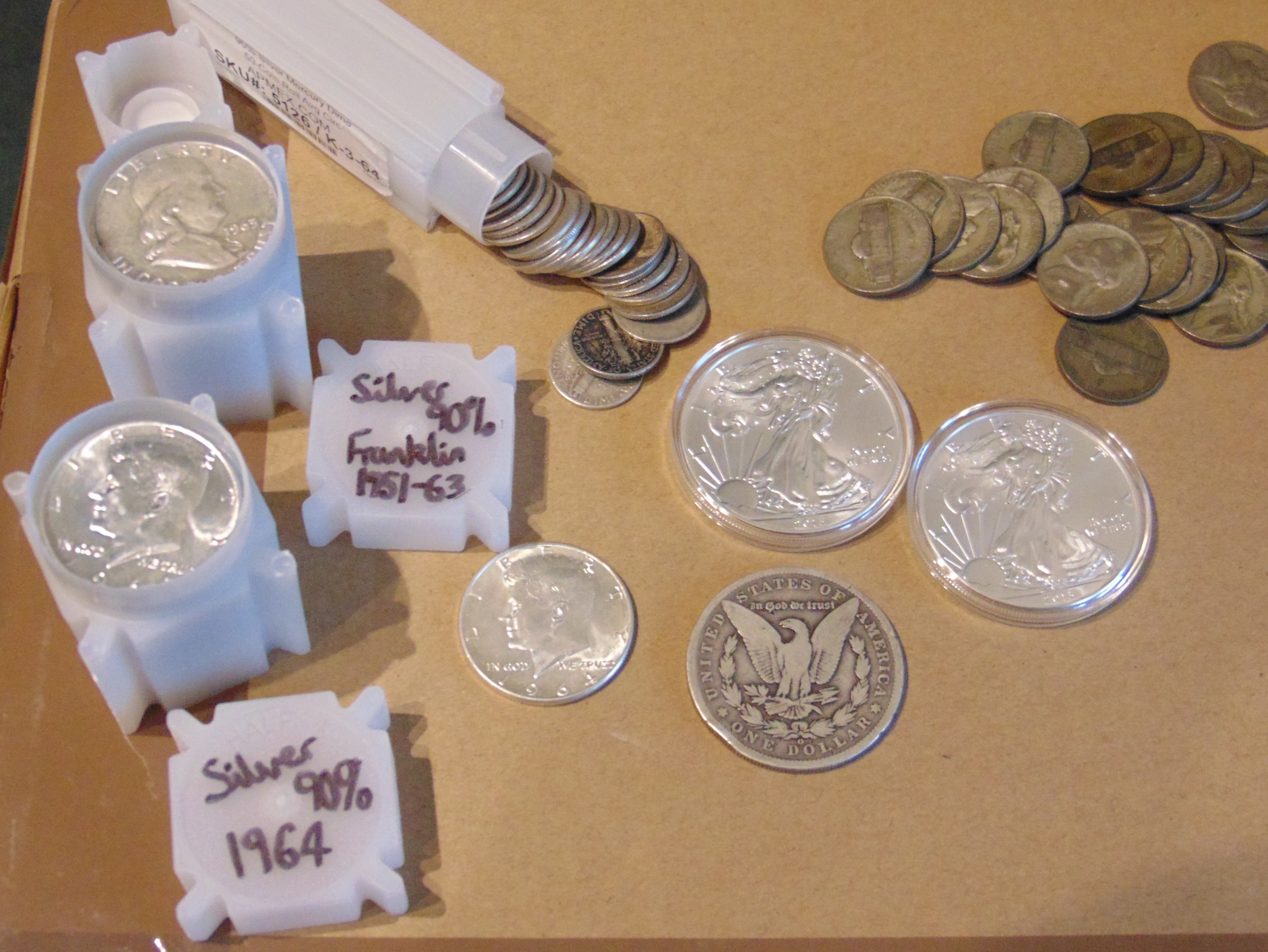
Fused Reserve sources through local dealer relationships, coin shows, and secondary markets specifically to find silver closer to spot price each month. If junk silver is your preference, you set it when you subscribe and we source to match it. You build your position every month without spending your weekends hunting for a fair deal.
The Starter plan at $100 per month is a straightforward way to begin. If junk silver is all you want, that is all you get. If you want to mix in bullion rounds or silver dollars down the road, the higher tiers give you more preference slots to work with.