Are you a small business owner struggling to get leads and bookings? You’re not alone. It feels like you’re throwing marketing dollars at the wall and hoping something sticks, but the results are… underwhelming. You’re spending hours on social media, crafting perfect emails, and still not seeing the phone ring. The truth is, many local businesses are missing a crucial piece of the puzzle: a direct, immediate connection with their customers. Today, we’re going to break down why SMS marketing is often the better choice for small businesses like yours, and how to build a strategy that actually drives results. We’ll show you how to cut through the noise and get the attention you deserve.

SMS Marketing Why Text Messages Beat the Inbox for Immediate Action
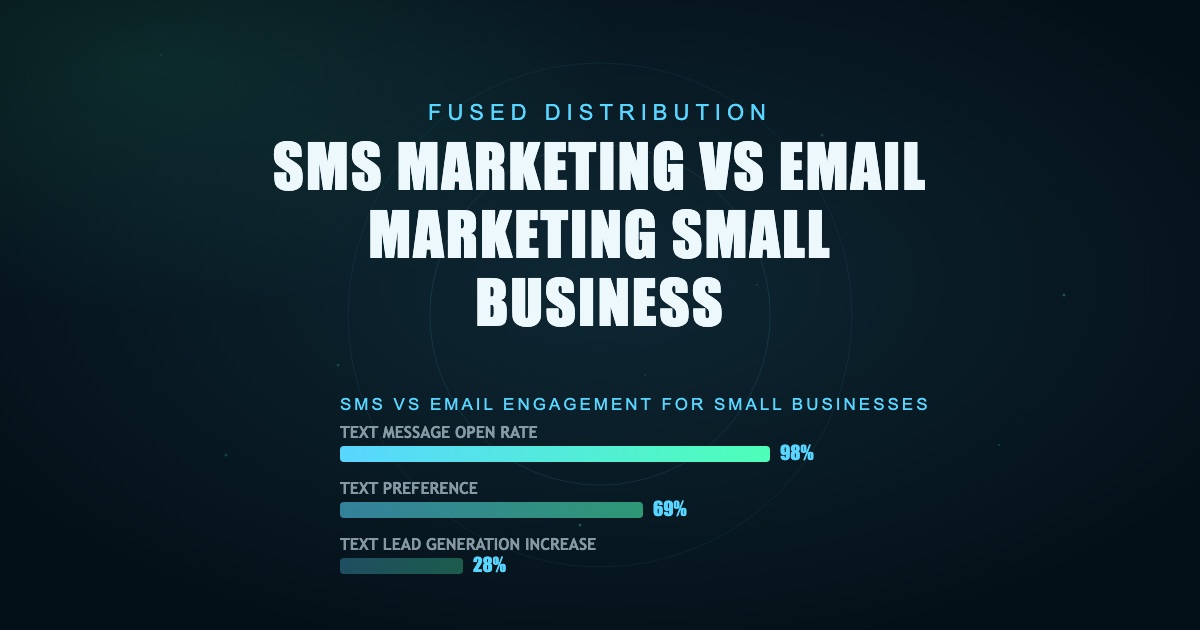
Let’s be honest: most people check their email less frequently than they check their phones. In fact, a recent study found that 98% of consumers check their text messages daily. When a potential customer needs to book a service right now - an emergency repair, a last-minute appointment - they aren’t going to spend five minutes searching their inbox. Text messages deliver instantly. That means if someone calls you for an emergency repair or a last-minute appointment, you get the message immediately. That speed is what turns a potential lead into a booked job. It’s about capturing attention when it’s needed most. You gotta follow the rules. Texting isn’t free for spam. You need clear permission. Make sure people know they’re signing up for your texts. If you mess up the opt-in process, you risk getting blocked by carriers. Keep it simple. Tell people exactly what they get and how to stop getting texts. A clear, concise welcome message is key. For example, “Hi {Name}, thanks for joining the {Business Name} text list! You’ll receive exclusive offers and appointment reminders.” Don’t be vague. Email is great for sending out long guides. Use email to send over service checklists or detailed information about your business. It’s for building a relationship over time. But for getting that immediate call back, text is the faster lane. Mix it up. Use text for urgent offers and email for keeping your existing customers informed. That’s how you actually get results. Consider this: a recent survey showed that 69% of consumers prefer receiving promotional messages via text compared to email. That’s a significant difference in engagement.
Email Marketing When to Use Email for Nurturing Local Leads
Email marketing is fantastic for building a long-term relationship with your customers. You can use it to send out service guides, showcase your portfolio, or share customer testimonials. This helps build a connection with people who are interested in your services but aren’t necessarily ready to book something immediately. Think of it as planting seeds - you're providing valuable information and establishing yourself as an expert. However, email has a lower response rate than text. It takes time for people to open your emails and read them. A 2023 study revealed that the average email open rate is around 20%. That means a huge percentage of your emails are landing in spam folders or being ignored. Texting, on the other hand, bypasses the inbox entirely. Texting works when you need an answer fast. If someone calls you and needs immediate help, SMS gets the message through right away. Make sure you follow the rules for texting. You need people to give you permission to text them, and they need an easy way to stop getting texts. Don’t bombard people with unsolicited messages. Figure out what works for you. Compare how much it costs you to get a lead through text versus through email. See which one actually brings in more customers for your specific business. Most of the time, you should use both. Text for urgent deals, and email for keeping your existing customers informed and engaged. That hybrid approach works best for local service.
The Direct Comparison SMS vs Email for Your Local Service Business
SMS marketing gives you a direct line to your customer. It’s like having a personal assistant who can instantly notify you of a potential booking. If someone calls you right now, that’s a huge win for your booking rate. It cuts through the noise. You send a quick text about a special offer or a quick appointment reminder. It’s about getting noticed when someone is actively looking for a service. For example, if you’re a plumber, a text like “Flash sale! 20% off drain cleaning today only - call us now!” is far more effective than an email blast. Email marketing is different. You use email for sending out the details. You send service guides, pictures of your work, or case studies. Email builds a relationship over time. It’s great for keeping people informed and showing them why you’re the right choice long after they’ve made a decision. Consider this: businesses using SMS marketing saw a 28% increase in lead generation compared to those relying solely on email. That’s a substantial boost. You gotta look at the numbers. Figure out how much it costs you to get a lead through text versus through email. Let’s say it costs you $0.10 to send a text message and $0.05 to send an email. If you get 10 leads through text and 5 leads through email, you’re spending $1.00 on text versus $0.25 on email. That’s a significant difference! Most businesses don’t just pick one. You mix it up. Use text for urgent stuff, like a last-minute discount. Use email for building that trust and giving people more information. That hybrid approach works best for local service.
Setting Up Your Strategy Choosing the Right Mix for Your Business
You need to decide what channel works best for your specific business. Not every message is the same. If you need a customer to call you right away, text messaging is your best bet. It gets straight to the point. People check texts fast. Use it for appointment reminders or urgent service updates. For instance, a landscaping company could send a text reminder 24 hours before a scheduled mowing service. Email is for building trust. Use it when you want to send detailed information. Think service guides or sharing a success story. Email lets you explain your work properly. It builds a relationship over time. It’s not for immediate needs, but for keeping people in your orbit. A recent study showed that 70% of consumers prefer to receive promotional offers via text message. Don’t just pick one or the other. You probably need both. Mix them up. Use text for quick sales pushes. Use email for keeping your existing customers informed and engaged. Figure out what works for your customers and use that combination.
Related
- Text Message Marketing For Small Business
- How To Follow Up With Customers After A Sale
- How To Get Repeat Customers For Your Small Business
Read next: Text Message Marketing For Small Business