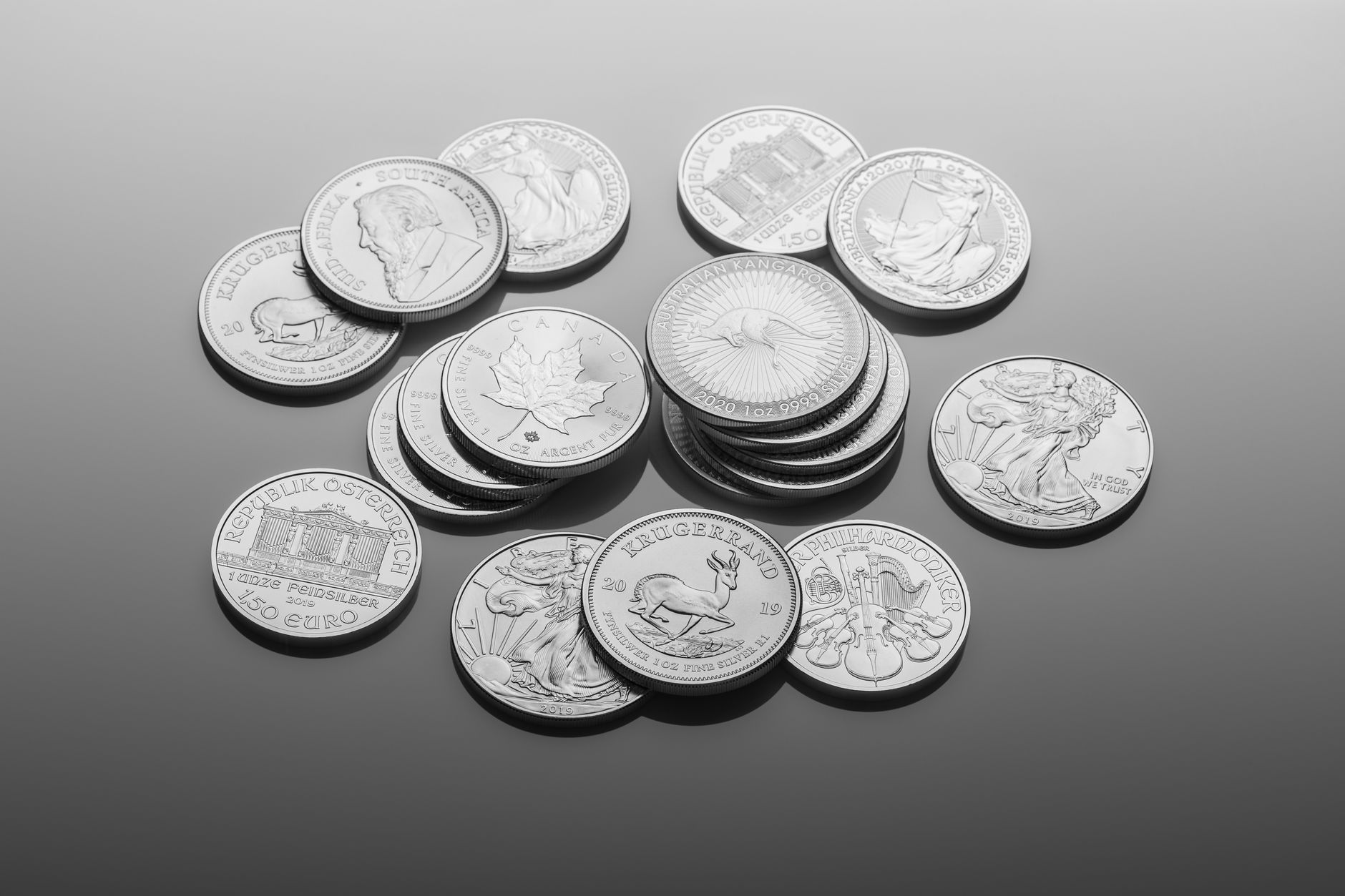
Are you looking to invest in silver but are confused about which form is right for you? We stock both silver rounds and silver coins, and understanding the distinctions between them is the first step toward making an informed investment decision. While both are tangible assets made of silver, they differ significantly in their manufacturing process, size, and how they are typically valued in the market. Silver coins are generally standardized pieces of currency, often featuring intricate designs and specific weight and purity standards. Silver rounds, on the other hand, are typically manufactured in a more varied format, ranging from small, decorative pieces to larger, more substantial bars or discs. This variation in form affects their liquidity, perceived value, and the specific market segments they appeal to.
At Fused Distribution, we recommend exploring these differences to align your investment strategy with your goals. In the following sections, we will break down the key parameters that separate silver rounds from silver coins. We will examine factors such as purity levels, market acceptance, and potential investment returns associated with each type. We will also discuss practical considerations for retail buyers, helping you determine whether a coin or a round best fits your portfolio needs. Let us guide you through the specifics so you can confidently choose the silver form that offers the best opportunity for your wealth building.
Decoding the True Cost: Understanding Premiums
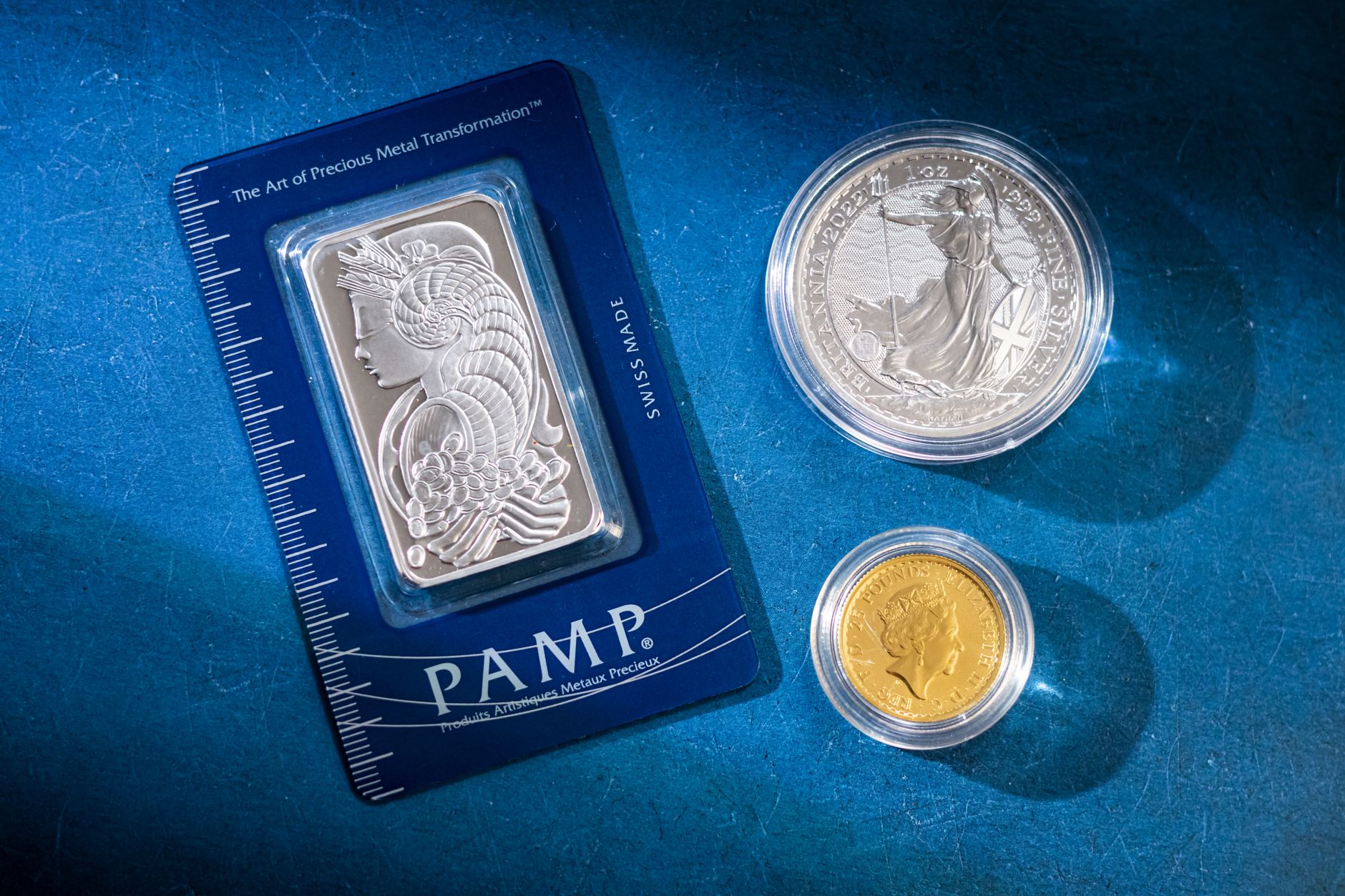
We stock a wide variety of silver products, and understanding the difference between silver rounds and silver coins is crucial for making informed investment decisions. While both are precious metals, they represent different investment vehicles with distinct market dynamics and price points.
Silver rounds, often in the form of bars or ingots, are typically sold in larger quantities and are excellent for long term holding or for industrial applications. They offer a different level of purity and are often priced based on weight and commodity market trends.
Silver coins, on the other hand, offer a more accessible entry point for retail investors. They provide a tangible piece of silver and can be easily stored and traded. We recommend comparing the spot price, the fineness, and the premium associated with each format to determine which aligns best with your investment goals.
Comparing Premiums: Rounds Versus Coins
We stock a wide variety of silver products, and understanding the difference between silver rounds and silver coins is key to making the right investment choice. While both are forms of silver, they differ significantly in their composition, weight, and market appeal. Silver rounds are typically manufactured into specific shapes, offering a consistent weight and a distinct aesthetic that appeals to collectors and those looking for tangible assets.
Silver coins, on the other hand, are standardized pieces of currency or collectible metal, often featuring intricate designs and specific mint marks. This standardization makes coins highly sought after by collectors and can sometimes offer different price points depending on the specific coin type and rarity.
When considering your investment, think about your goals. If you are looking for a tangible, versatile metal asset, rounds might be a good fit. If you are focused on collecting or specific historical/numismatic value, silver coins present a unique opportunity. We recommend reviewing the specific purity and market trends for each type before making a purchase.
Practical Advantages of Silver Rounds for Reserves
We stock silver rounds because they offer a unique and tangible way to secure your precious metal reserves. Unlike loose silver, which can be subject to weight fluctuations and storage concerns, silver rounds provide a standardized, high-purity investment vehicle. This consistency makes them an excellent choice for building a stable, long-term portfolio.
The primary advantage lies in their intrinsic value and ease of handling. Silver rounds are easily divisible and transportable, allowing you to manage your holdings effectively. This practicality is particularly appealing to retail investors who want a secure asset they can physically hold and value over time.
We recommend silver rounds for investors looking to diversify their precious metal exposure. They offer a tangible asset that reflects the true value of silver, providing a solid foundation for your wealth preservation strategy.
Managing Inventory: Simplicity with Rounds
We stock both silver rounds and silver coins, and understanding the difference is key to making the right investment choice. Silver rounds are typically standardized discs, often used for bulk purchasing or specific industrial applications. They offer a consistent weight and purity, which can be advantageous for certain types of investment strategies focused on volume.
Silver coins, on the other hand, come in various designs and denominations, offering a more collectible aspect alongside their investment value. The design and rarity of a coin can significantly impact its long term appeal for collectors and investors alike.
When deciding between rounds and coins, consider your investment goals. If you prioritize consistent weight and straightforward holding, rounds might be a better fit. If you are looking for a blend of investment potential and collectible interest, exploring the variety offered by silver coins is highly recommended. We recommend consulting with us to determine which form best suits your portfolio needs.
Storage Logistics: Bulk Versus Individual Pieces
Storage Logistics: Bulk Versus Individual Pieces For more on this, see Johnson Matthee Silver Bars Guide.
When considering silver investment, the way you store your metal significantly impacts your long term holding and potential value. We stock both silver rounds and silver coins, and understanding the difference in storage logistics is key for new investors. Bulk storage, often involving larger quantities of rounds or coins, can be cost effective for significant holdings. However, it requires careful management to prevent tarnishing or contamination, which can affect the purity of your investment over time.
Individual pieces, on the other hand, offer a different approach to security and accessibility. Storing smaller, individually identifiable rounds or coins allows for easier tracking of your specific assets. This method is particularly beneficial for investors who prefer to manage smaller allocations or who want to easily verify the condition of each piece.
We recommend assessing your investment goals. If you are looking for large-scale accumulation, bulk storage might be suitable. If you prefer detailed inventory control and easier access to specific assets, individual pieces provide a more manageable storage solution. We can advise you on the best logistics strategy based on your portfolio size and investment timeline.
Determining Your Investment Goal: Rounds Versus Coins
When considering silver investment, understanding the difference between silver rounds and silver coins is a crucial first step. We stock both options because they offer distinct advantages depending on your specific investment strategy and risk tolerance. Rounds, often referring to silver bullion bars or ingots, are excellent for investors looking for tangible, long-term storage and a stable base metal investment. They offer a straightforward way to acquire a significant amount of silver bullion.
Silver coins, on the other hand, provide a different kind of exposure. They offer liquidity and a more collectible aspect to your investment portfolio. Coins can appeal to those who enjoy the history and aesthetic of precious metal collecting while still benefiting from the price movements of silver.
We recommend assessing whether you prioritize long term holding and tangible asset security, which rounds excel at, or if you prefer the potential for appreciation tied to collectible value and easier trading, which coins might suit better. We are here to help you decide which silver form aligns perfectly with your financial objectives.
Calculating True Investment Value
We stock a wide variety of silver rounds and coins, and understanding the difference between them is crucial for making informed investment decisions. Silver rounds, often featuring specific mint marks or designs, can sometimes hold unique collector value or appeal to specific numismatic interests. Silver coins, on the other hand, are generally recognized for their established historical and intrinsic metal value.
The key difference lies in scarcity and historical context. Coins have a defined mintage, which impacts their market liquidity and perceived rarity. Rounds, while also collectible, might be more varied in their production runs, affecting their immediate trading dynamics.
When calculating your true investment value, consider the metal purity, the specific design, and the market demand for that particular format. We recommend analyzing both silver rounds and coins separately to determine which asset class best aligns with your investment goals.
Actionable Steps for Your Silver Acquisition
Understanding the difference between silver rounds and silver coins is the first step in making an informed investment decision. Silver rounds are typically larger, more substantial pieces of silver, often used in industrial applications or as a form of bullion. Silver coins, on the other hand, offer a more traditional investment vehicle, often featuring specific mint marks and historical value. We stock both options to cater to different investor preferences and risk tolerances.
When considering which to acquire, think about your investment goals. If you are looking for a solid, tangible asset with established market liquidity, silver coins might be a better fit. If you prefer a larger physical piece or are interested in the industrial aspect of silver, rounds could be appealing.
We recommend starting by researching the purity and weight of the specific silver rounds or coins you are interested in. We can provide you with detailed information on current market pricing and the specific characteristics of each type to help you choose the perfect silver acquisition for your portfolio.
Related
- How To Buy Silver Coins At Spot Price
- Johnson Matthee Silver Bars Guide
- Silver Panda Coins From China: A Complete Guide
Read next: How To Buy Silver Coins At Spot Price