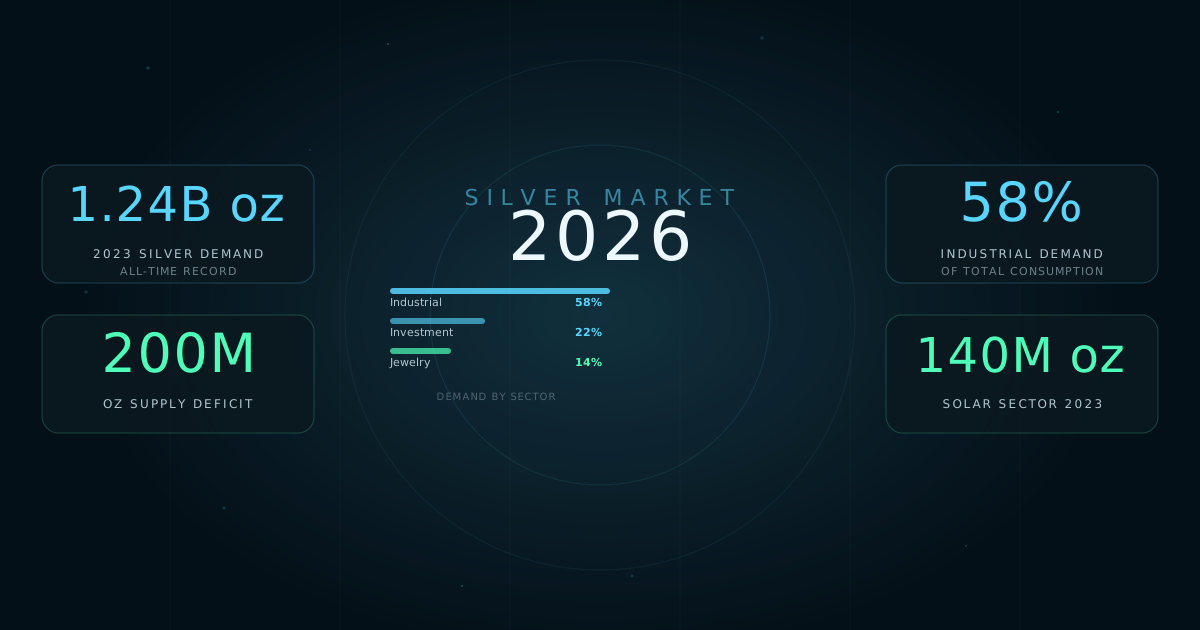
Silver demand hit a record 1.24 billion ounces in 2023. That is not a fluke driven by retail buying or speculation. Industrial demand is running at its highest levels in history, and the structural drivers behind it are not slowing down.
If you are buying silver, understanding the market gives you context that most buyers skip. This is what is actually happening and what it means for the price and availability of physical silver in 2026.
Industrial Demand Is Now the Dominant Force
For most of silver's history, jewelry and photography drove a big share of demand. That has changed. Industrial applications now account for 58% of all silver consumed globally, up from around 45% a decade ago.
The shift is driven by silver's unique physical properties. It conducts electricity better than any other metal. It reflects light more efficiently than aluminum. It has antimicrobial properties that make it useful in medical devices and textiles. As electronics, electric vehicles, and renewable energy have scaled up, so has the need for silver.
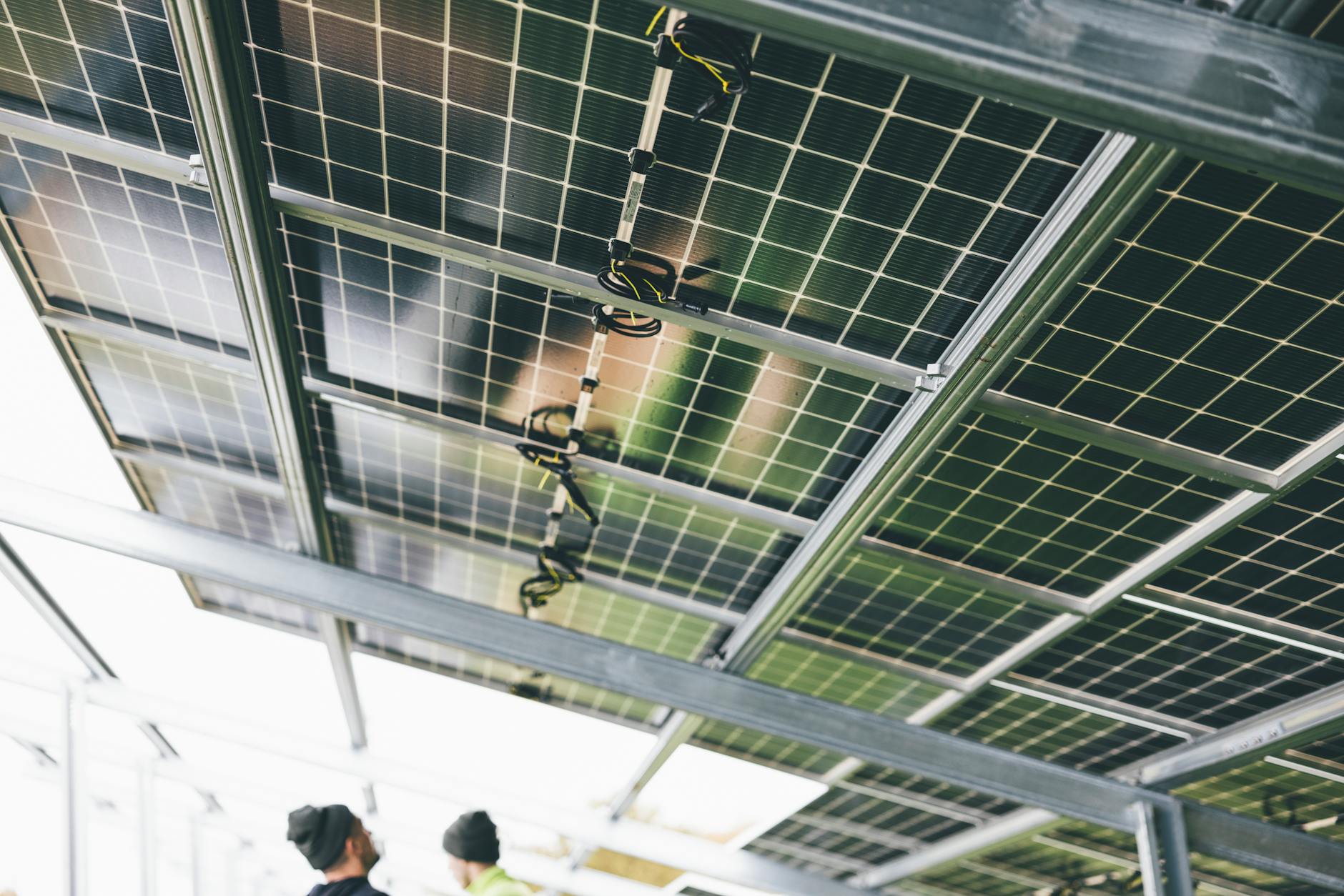
Solar Power Is Eating Silver
Solar panels are the single fastest-growing source of silver demand. Each photovoltaic panel uses roughly 20 grams of silver in its electrical contacts. Global solar installations added over 400 gigawatts of new capacity in 2023 alone. At that scale, the solar sector consumed around 140 million ounces of silver in the year.
Manufacturers have spent years trying to reduce how much silver each panel needs. They have succeeded at pushing that number down from 30 grams to 20 grams. But global solar installations are growing faster than the efficiency gains. The net result is more silver consumed each year, not less.
The same dynamic plays out with electric vehicles. EV powertrains use 25 to 50 grams of silver per vehicle in contacts, relays, and battery management systems. Global EV sales are projected to reach 30 million units annually by 2027. At that level, EVs alone will consume over 90 million ounces of silver per year.
Global Silver Demand by Sector (2023)
Source: Silver Institute — World Silver Survey 2024
Supply Is Not Keeping Up
Global silver mine production has been relatively flat for years, sitting at around 820 to 840 million ounces annually. The gap between what the market demands and what mines produce has to come from somewhere, so it comes from above-ground stockpiles held by governments, institutions, and investors who sell into the market.
Those stockpiles are finite. The Silver Institute estimated a supply deficit of roughly 200 million ounces in 2023, the second consecutive year the market ran short. When demand persistently outpaces production, stockpiles fall. When stockpiles fall far enough, buyers compete harder for what is available, which pushes premiums and spot prices up.
New silver mines take 10 to 15 years from discovery to full production. Projects that started development in 2020 will not meaningfully add supply until 2030 or later. The supply pipeline that exists today cannot close the demand gap that industrial growth is creating.
What This Means If You Are Buying Physical Silver
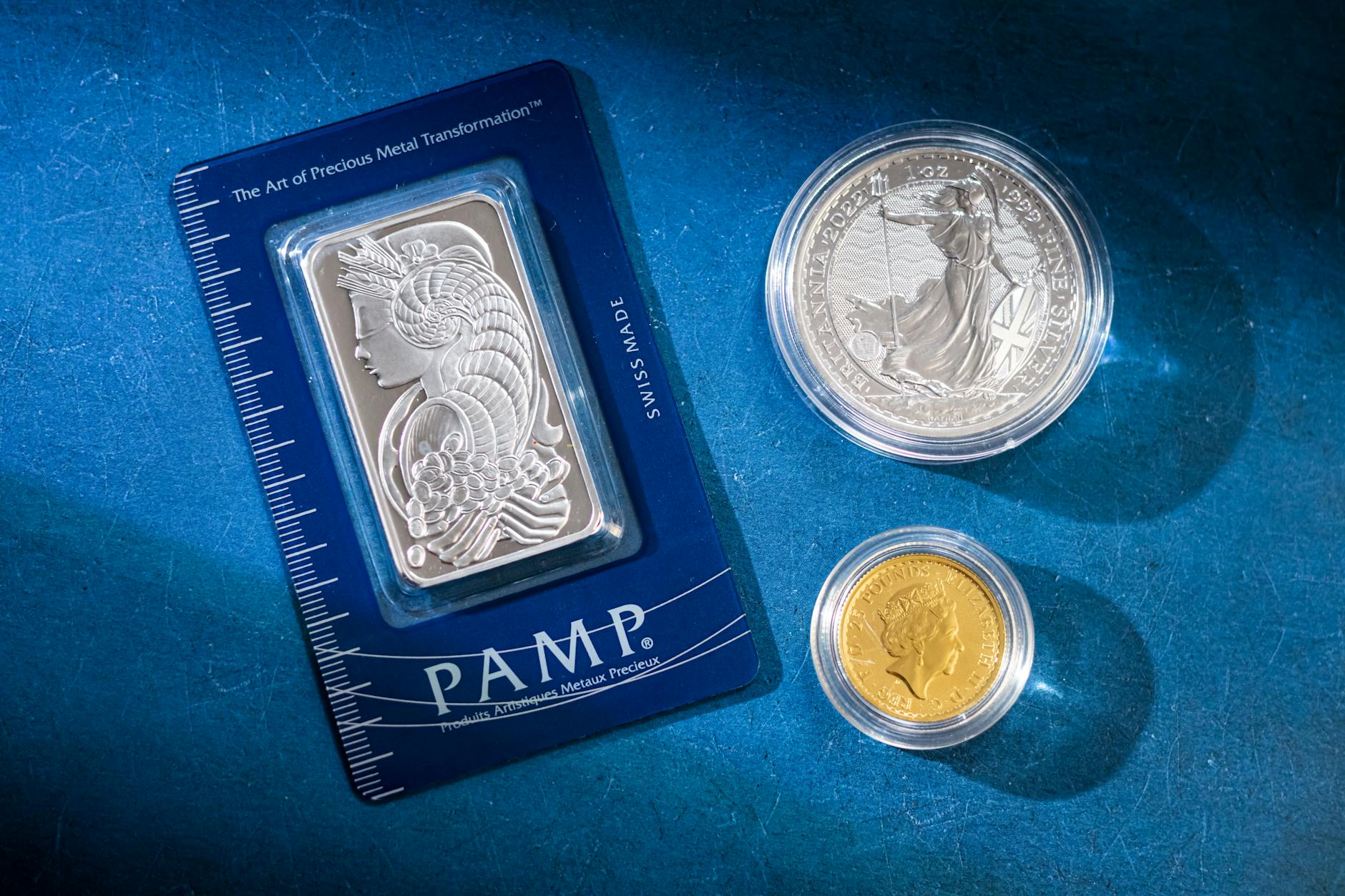
Physical silver buyers feel market conditions through premiums before they see them in spot price. When refineries and mints run short, premiums over spot widen. American Silver Eagles, which normally carry a $3 to $5 premium, traded at $10 to $14 over spot during the 2020 and 2021 demand surges.
A few things worth knowing for 2026:
- Premiums on common bullion coins are still elevated compared to pre-2020 levels. Eagles and Maples carry higher premiums than rounds and bars of equivalent weight. If you want more silver for your money, rounds and 10-ounce bars are the better value.
- The structural demand story is real. Solar and EV growth are not speculative. They are already consuming silver at scale and growing. That gives physical buyers a reasonable case that the floor under silver is higher than it was five years ago.
- Dollar cost averaging still applies. No one can predict short-term price moves. Buying a fixed dollar amount every month smooths out the volatility and builds a position without timing the market.
Silver sits at an unusual intersection in 2026: high industrial demand, constrained supply, and a secondary role as a store of value during periods of currency uncertainty. That combination does not guarantee any particular price outcome. But it does mean the fundamentals behind physical silver are as strong as they have been in a long time.
Sources
- Silver Institute — World Silver Survey 2024 (demand data, sector breakdown, supply deficit)
- International Energy Agency — Renewables 2023 (solar installation volumes)
- BloombergNEF — Electric Vehicle Outlook 2024 (EV sales projections and silver content)
- USGS — Mineral Commodity Summaries 2024 (mine production data)
- Metals Focus — Silver Demand Outlook 2024-2026 (stockpile and premium analysis)