1918 → Pittman Act authorizes melting and replacement
1921 → Morgan dollar production returns; Peace follows
A silver dollar can tell a story that reaches far beyond the place where it was made. The Pittman Act connected American Treasury reserves, British wartime needs, currency in India and purchases from American mines. That chain of decisions helps explain why the Morgan dollar returned in 1921 after a long gap in production.
America melted millions of silver dollars, then bought silver to replace them. Why destroy money only to make it again?
Why silver dollars mattered in 1918
The answer connects a Morgan dollar to World War One, British India, and a shortage of silver thousands of miles from an American mint.
In 1918, Britain urgently needed silver to redeem paper rupee currency in India. The United States had a large supply sitting in Treasury vaults, already made into silver dollars. Turning those coins into bullion could help meet that demand.
The distinction is between money as a denomination and metal as a physical resource. A dollar in a vault could be held as a coin or melted so that its silver could serve a different currency system. The Indian redemption demand described in the Senate report supplies the practical reason for doing the latter.
What the Pittman Act authorized
On April twenty-third, Congress approved the Pittman Act. It authorized the Treasury to melt as many as 350 million silver dollars. That figure was the legal ceiling, not the number actually melted.
The law allowed the silver to be sold as bullion, and Britain became a major buyer for the government of India. American coins could therefore serve a very different purpose overseas: supplying metal for another country's currency system.
An authorization limit is not a production total. Reading the 350 million figure as the number actually destroyed would turn the law's ceiling into a different historical claim. It also would not identify which individual surviving coins had once been eligible for melting.
Why the silver had to be replaced
But Congress also required replacement. For silver sold under the act, the government was directed to buy newly mined American silver at one dollar per fine ounce, in sufficient quantity to replace the dollars involved.
That price referred to the silver's weight, not the face value stamped on a coin. The policy linked wartime bullion sales with future purchases from American mines.
There are two different dollar amounts in this story. A silver dollar carries a face value; a fine ounce measures its silver content by weight. Keeping those units separate makes the purchase provision easier to understand. Congress connected the sale of existing government metal to later purchases of domestic output.
The Morgan dollar returns in 1921
The replacement requirement helped bring the Morgan dollar back in 1921. Its previous production had ended in 1904. Philadelphia, San Francisco, and, for the first time, Denver struck the design that year.
Later in 1921, the Peace dollar began replacing it.
So the Morgan's final year tells a bigger story than a familiar portrait returning to a coin. Silver moved from American vaults into an international wartime currency problem, and a promise to replace it brought the presses back to work.
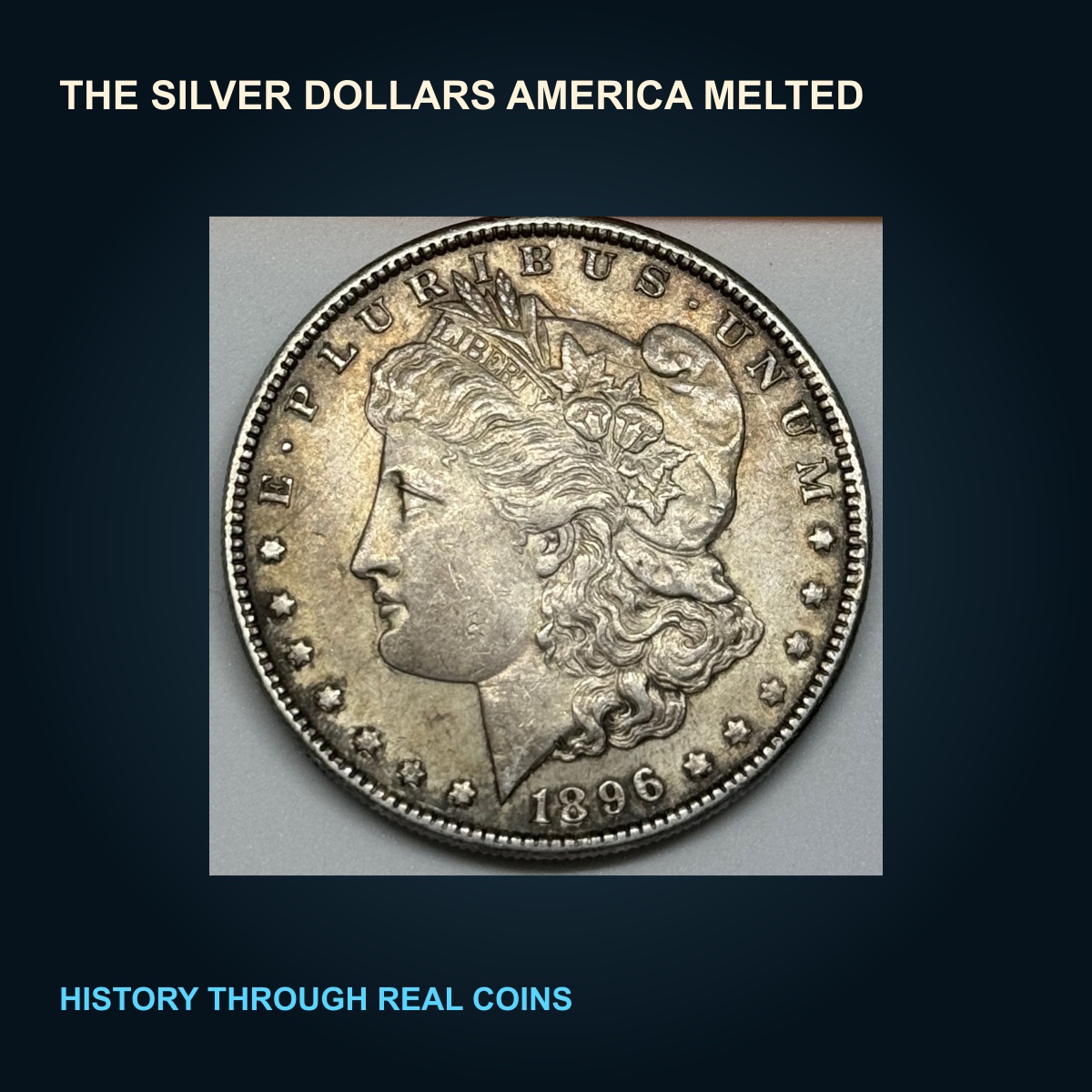
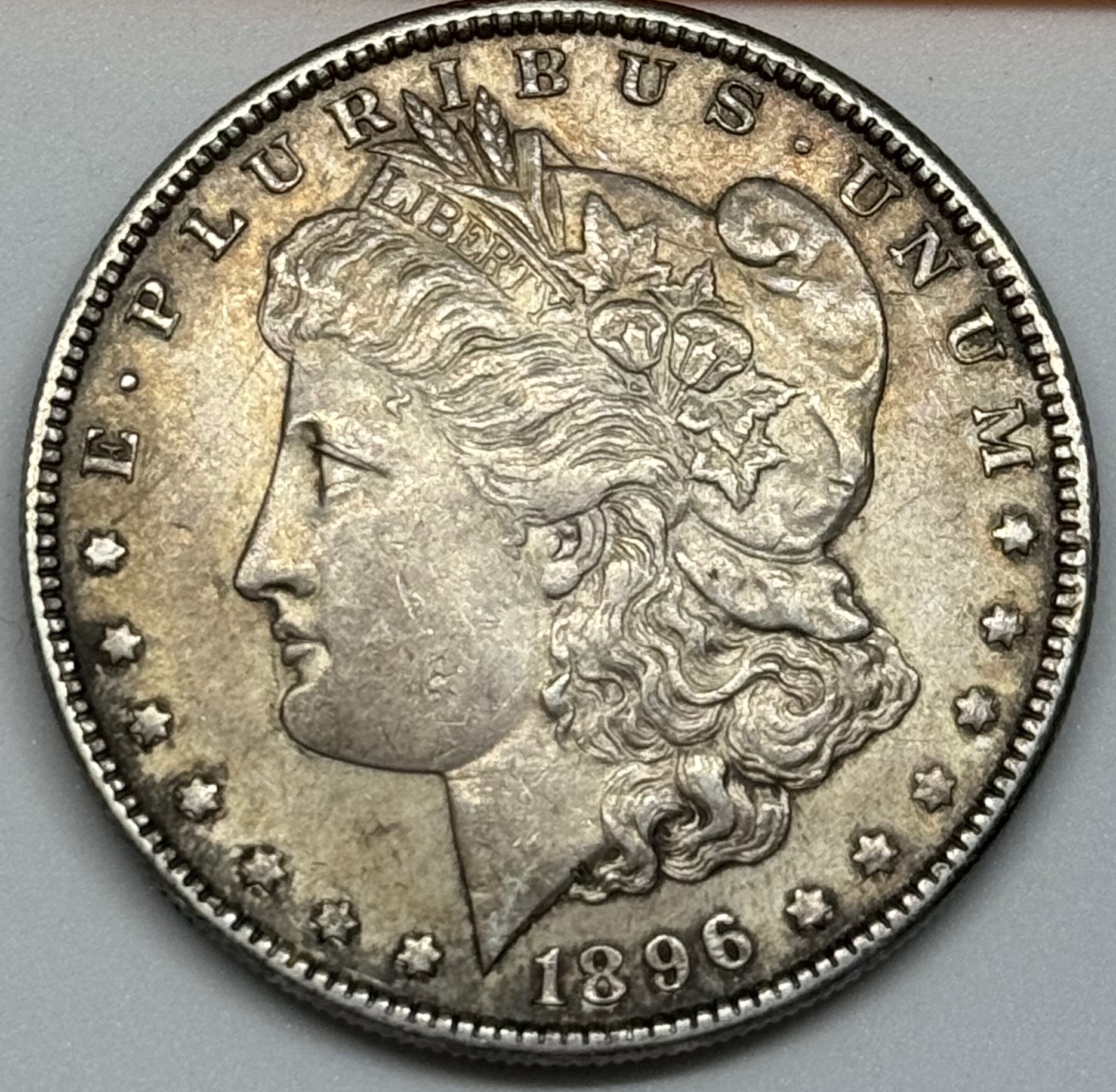
Our photograph shows an 1896 Morgan obverse as an example of the design. It does not show a 1921 issue or prove that this particular piece survived a Treasury melting program. The historical link is between the policy and renewed production, not an undocumented journey assigned to the photographed coin.
Sources and photographs
- 1918 Indian rupee redemption demand and Treasury silver supply
- April 23, 1918; 350 million authorization ceiling; domestic silver replacement at $1 per fine ounce
- Britain buying silver for Government of India
- Morgan ended 1904, returned 1921 at three mints; Denver first; Peace followed later 1921
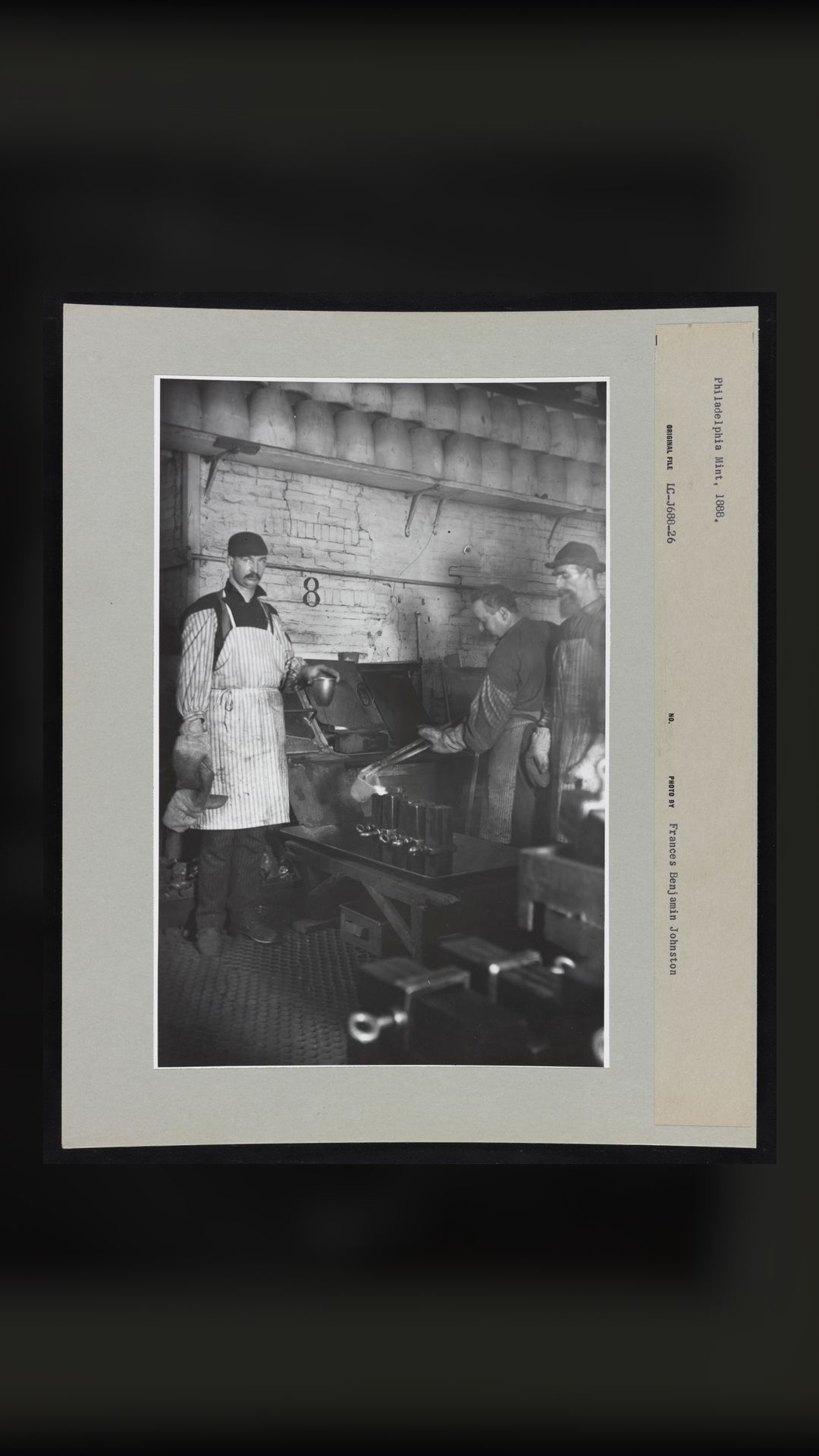
The reel combines original coin photography, credited historical references and clearly labeled illustrative backgrounds. Archival mint photographs show historical working conditions, not a documented view of this specific coin or the exact event described.
For another way to examine the object itself, try reading a coin design from center to rim. Then compare the lettering on collectible coins to see how inscriptions guide the story.
Related
Read next: Reading a coin design from center to rim.