Are you considering investing in silver but feeling overwhelmed by the options? You’re not alone. Many investors struggle to understand the nuances between “paper silver” and physical silver. At Fused Distribution, we stock a wide range of silver products and we’re here to break down the critical differences. This guide will clarify exactly what you’re buying and help you make an informed decision. We’ll cover everything from storage and security to price fluctuations and long-term value. Let’s get started.

What to Know About Silver Investments
Silver has long been a popular investment, often touted as a hedge against inflation and economic uncertainty. However, the way you acquire and hold that silver significantly impacts your investment strategy. The core distinction lies between “paper silver” - representing ownership of silver through financial instruments - and “physical silver” - actual, tangible silver bullion. Understanding this difference is essential before you commit any capital.
Paper Silver: Certificates and ETFs
“Paper silver” refers to investments that don’t involve owning the physical metal itself. Instead, you’re buying a claim on silver held by a third party. The most common forms of paper silver include:
- Silver Exchange-Traded Funds (ETFs): These funds hold physical silver, but their value is tracked on the stock market. For example, SLV (iShares Silver Trust) is one of the largest silver ETFs. The price you pay for shares of an ETF reflects the market’s perception of the underlying silver’s value, which can be influenced by factors beyond just the silver itself.
- Silver Futures Contracts: These agreements obligate you to purchase or sell a specific amount of silver at a predetermined price and date in the future. Futures trading is highly leveraged and carries significant risk.
- Brokerage Accounts: You can purchase silver through a brokerage account, often through the purchase of silver-backed stocks or options.
While paper silver offers liquidity and ease of trading, it’s crucial to acknowledge its inherent risks. The value of these instruments is tied to the performance of the underlying silver market, but also to the stability and reputation of the institution holding the physical silver. Also, you don't have direct control over the physical metal.
Physical Silver: The Tangible Asset
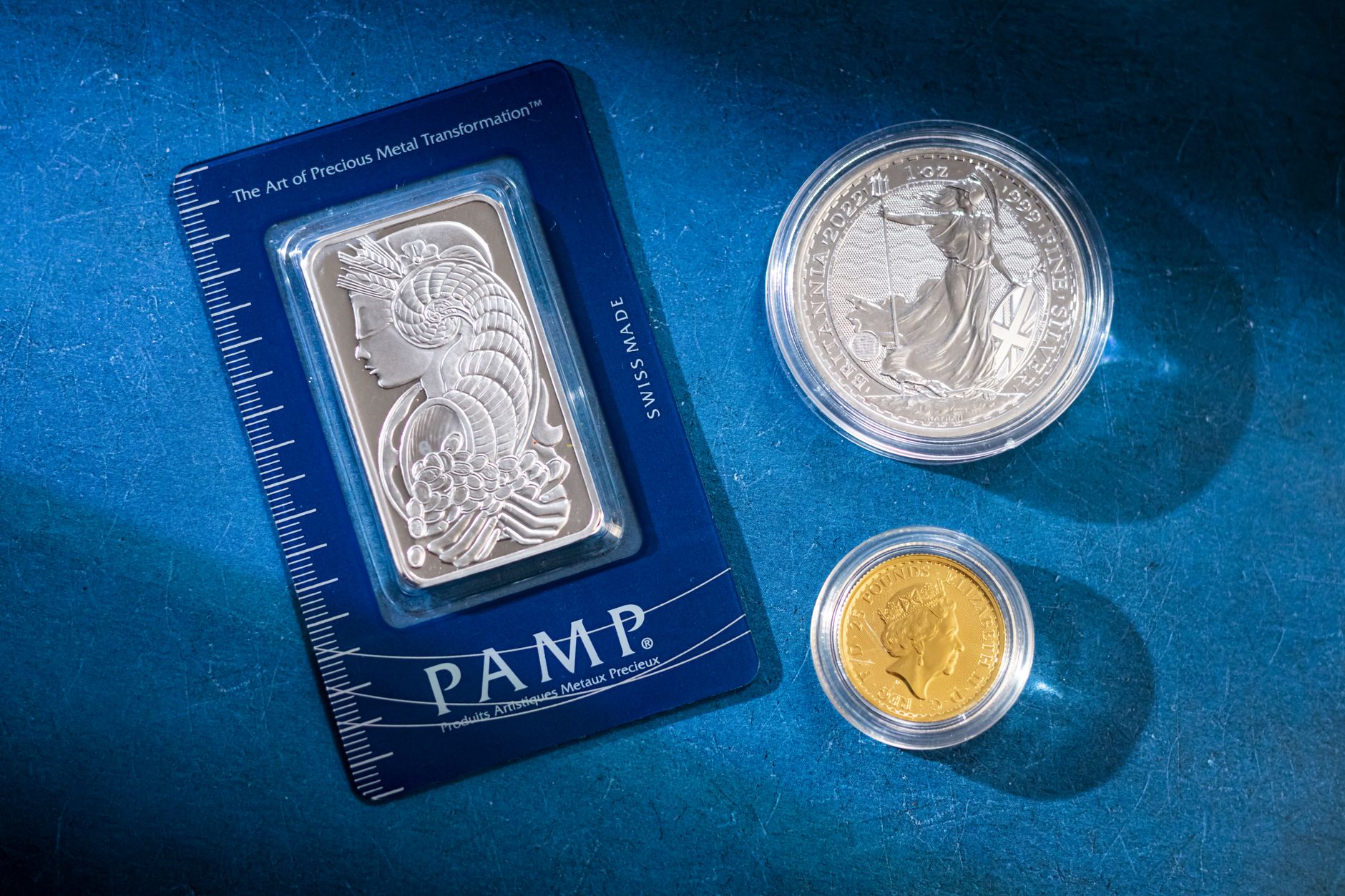
Physical silver, on the other hand, is the actual metal - typically in the form of bullion coins, bars, or rounds. You own the silver directly. This offers several advantages:
- Direct Ownership: You have complete control over your investment.
- Hedge Against Inflation: Silver has historically held its value during inflationary periods.
- Tangible Security: You can store your silver securely, either at home or through a reputable vault service.
However, physical silver also has drawbacks. Storage can be a concern, requiring secure facilities to prevent theft. You’re also responsible for insuring your investment.
Price Differences: Paper vs. Physical
The price difference between paper and physical silver can be substantial. As of October 26, 2023, the spot price of silver was $23.77 per ounce. However, ETFs trade on the stock market, meaning they have a bid-ask spread - the difference between the price buyers are willing to pay and the price sellers are willing to accept. This spread can fluctuate significantly. According to a recent analysis, ETF spreads can range from $0 to $0 per ounce, representing a significant cost compared to buying physical bullion. This difference highlights the importance of understanding all associated fees.
Storage and Security Considerations
Storing physical silver requires careful planning. Leaving it at home is risky, increasing the chance of theft or damage. Secure home safes are an option, but they’re not foolproof. Professional vault services offer superior security, but they come with annual fees. These fees can range from $50 to $200 per year, depending on the vault’s security and features. Consider the cost of insurance as well - a comprehensive policy to cover theft, damage, and loss is essential.
Liquidity: Paper Silver’s Advantage
Paper silver offers significantly greater liquidity than physical silver. You can typically buy and sell ETFs or futures contracts within minutes, whereas selling physical silver can take days or even weeks, depending on finding a buyer. This ease of trading is a major advantage for investors who need to access their funds quickly. However, liquidity isn't always a benefit; it can also lead to volatility.
Price Volatility: A Key Difference
Silver prices can be quite volatile, influenced by factors such as industrial demand, jewelry sales, and geopolitical events. Paper silver investments, particularly ETFs, can experience rapid price swings that mirror the spot price of silver. Physical silver, while still subject to market fluctuations, tends to be less volatile due to its physical nature and the time it takes to buy and sell. As of November 2023, the average daily price fluctuation for silver futures contracts was approximately 3.5%, compared to a 1.2% average daily fluctuation for physical silver bullion.
Insurance Costs: A Hidden Expense
Don’t overlook the cost of insuring your silver investment. Homeowner’s insurance typically doesn’t cover precious metals. You’ll need to purchase a separate rider or policy specifically designed for bullion. The cost of insurance varies depending on the value of your holdings and the coverage limits. A basic policy for $10,000 worth of silver could cost around $50 to $100 per year. For larger holdings, the cost can increase significantly.
Long-Term Value: A Complex Question
Determining the long-term value of silver - whether as paper or physical - is challenging. Historically, silver has performed well as a hedge against inflation and economic uncertainty. However, past performance is not indicative of future results. Factors such as changes in industrial demand, technological advancements, and government policies can all impact silver’s value. Many analysts believe physical silver offers a more stable and predictable long-term investment due to its intrinsic value.
Choosing the Right Option for You
The best choice between paper silver and physical silver depends on your individual investment goals, risk tolerance, and storage capabilities. If you prioritize liquidity and ease of trading, paper silver may be a suitable option. If you value direct ownership and security, physical silver is likely a better fit. At Fused Distribution, we recommend starting with a small amount of physical silver to gain experience and understanding before investing larger sums in paper silver instruments.
Getting Started with Physical Silver
If you’re interested in purchasing physical silver, we recommend starting with reputable dealers. Look for dealers who are members of the Precious Metals Fabricators Guild (PMFG) or the National Association of Bullion Dealers (NABD). These organizations ensure that dealers adhere to ethical business practices. We stock a variety of silver coins, bars, and rounds from trusted mints such as the United States Mint and the Royal Canadian Mint. You can browse our selection and place an order on our website: https://www.fuseddistribution.com/silver.
Looking Ahead: The Future of Silver Investing
The silver market is constantly evolving. Increased industrial demand, particularly in the renewable energy sector, could drive silver prices higher in the long term. Also, rising inflation and geopolitical instability could further increase the attractiveness of silver as a safe-haven asset. Staying informed about market trends and diversifying your investment portfolio are crucial for long-term success. We’ll continue to provide updates and insights to help you navigate the world of silver investing. Don't hesitate to contact us with any questions.
Related
- What Is COMEX Silver And How Does It Affect Spot Price
- Best Silver IRA Custodians Compared - 2026
- Silver IRA vs Physical Silver At Home Which Is Better
Read next: What Is COMEX Silver And How Does It Affect Spot Price